


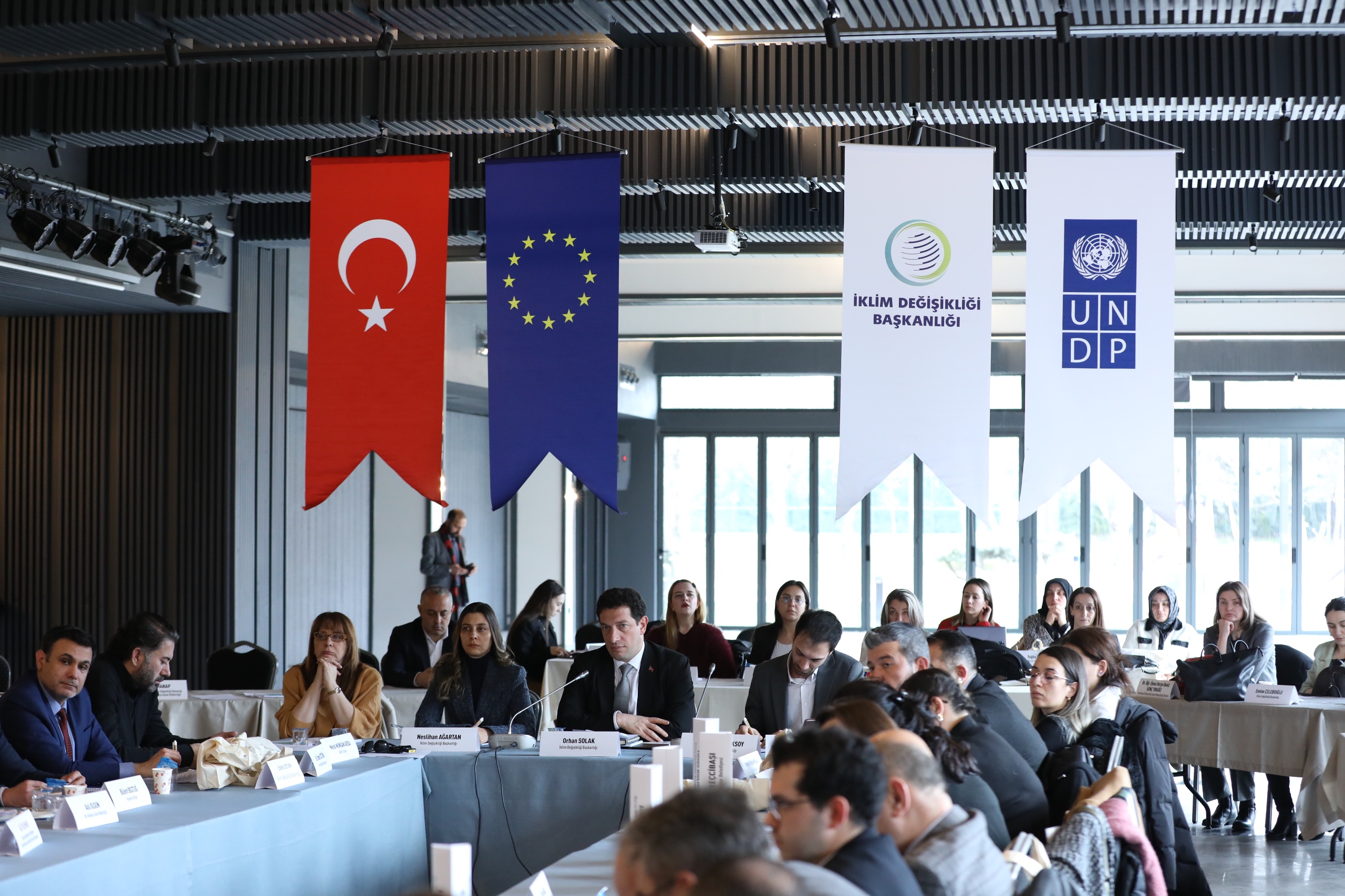
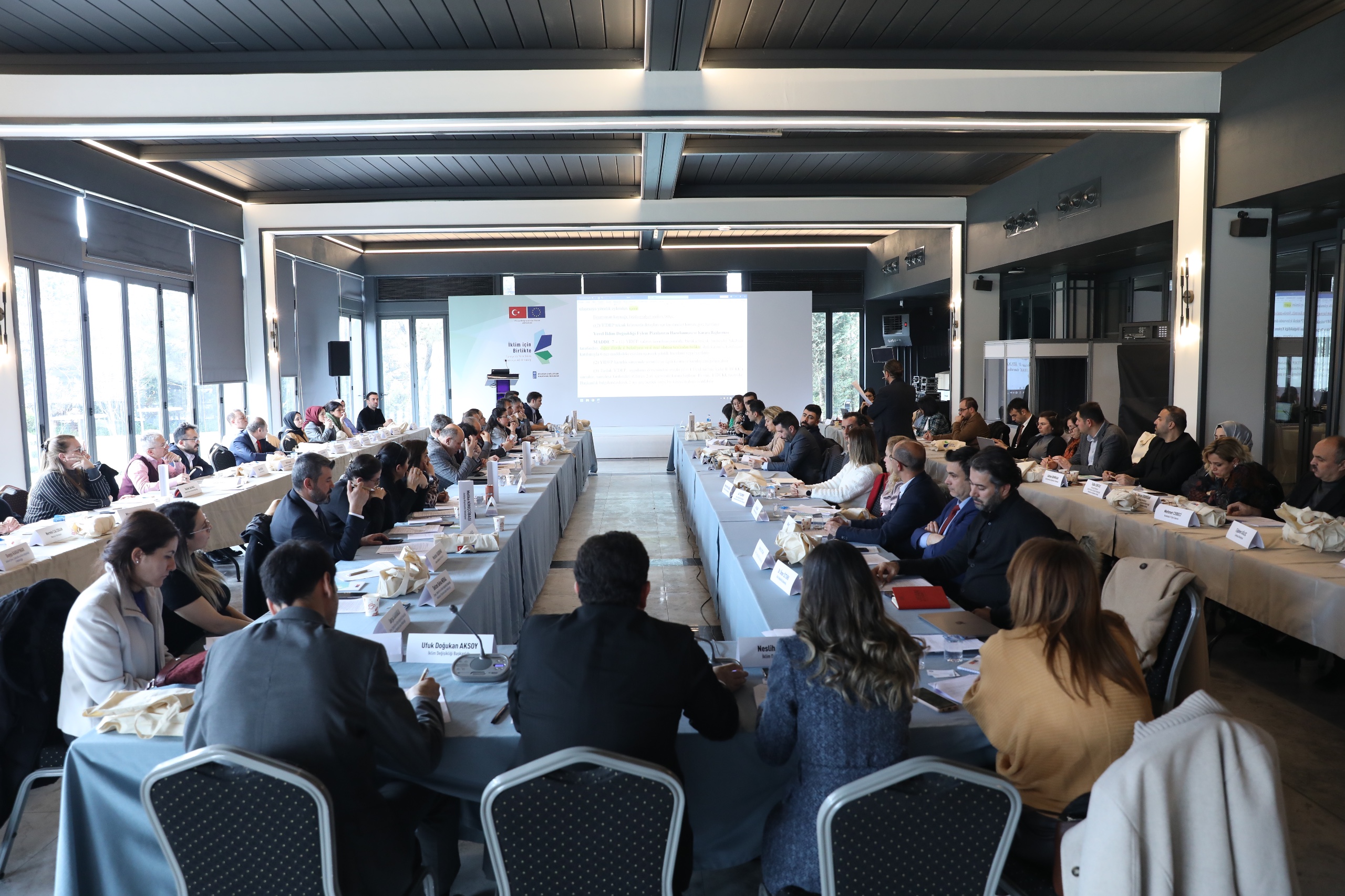
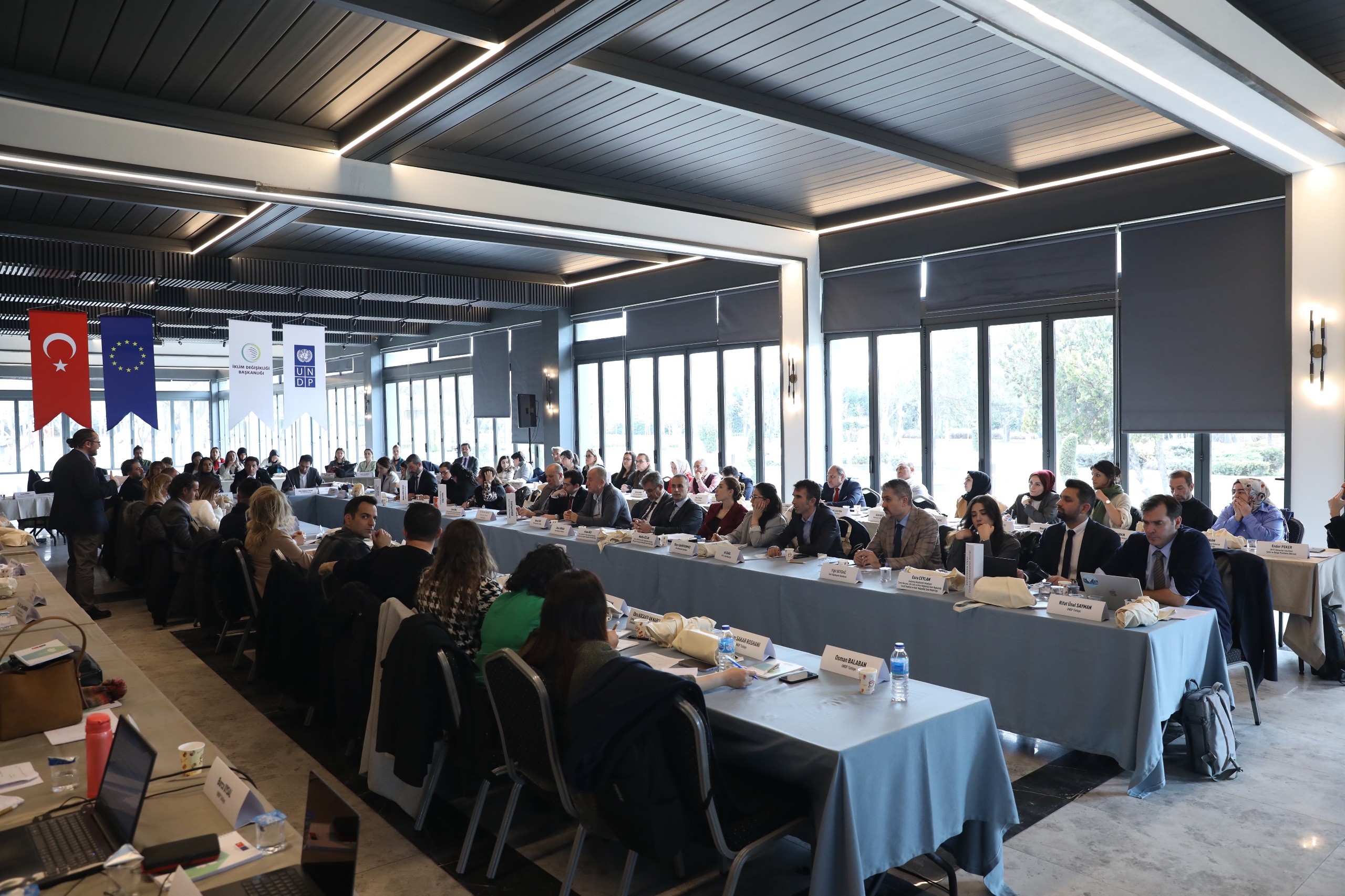
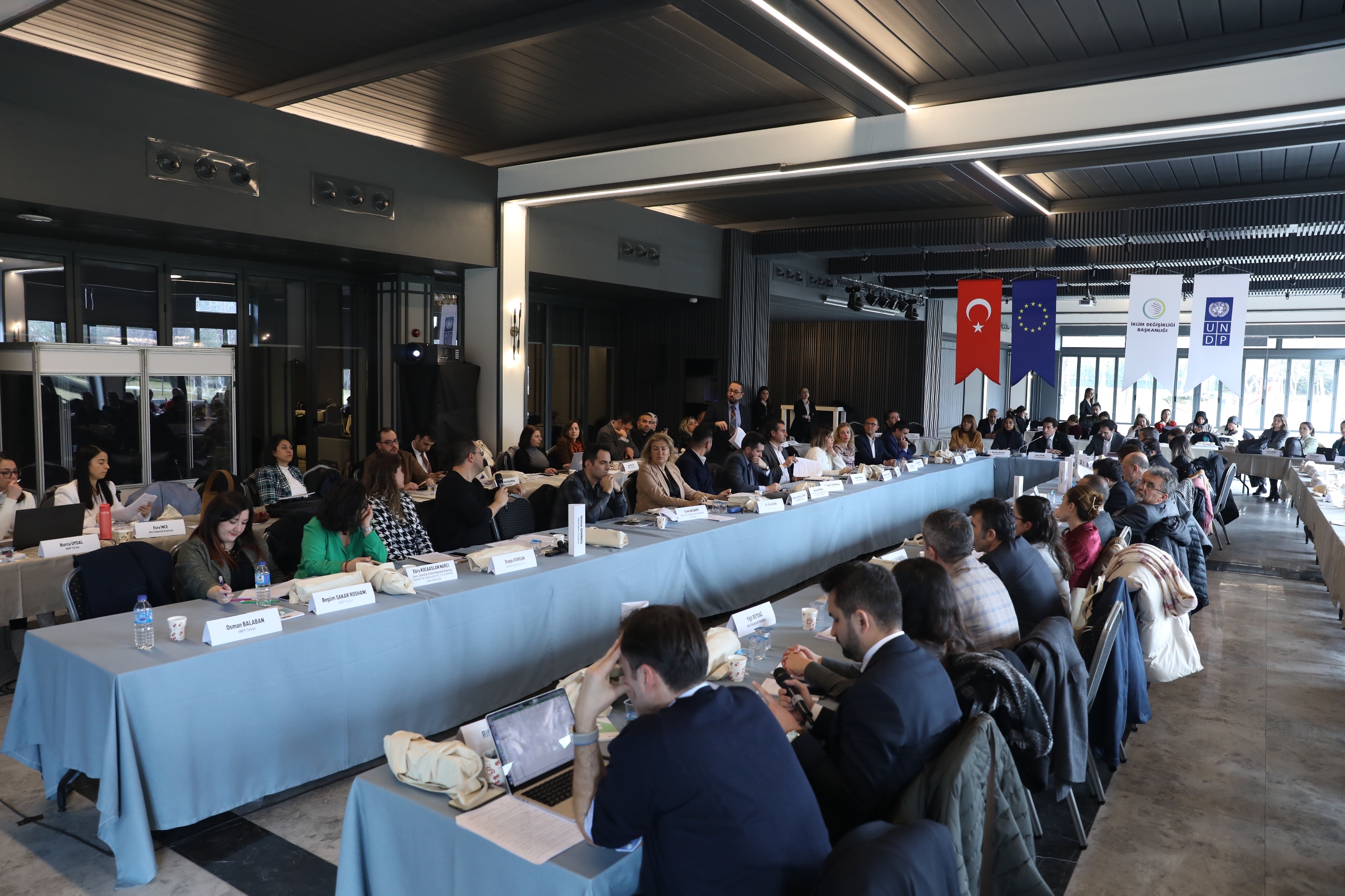
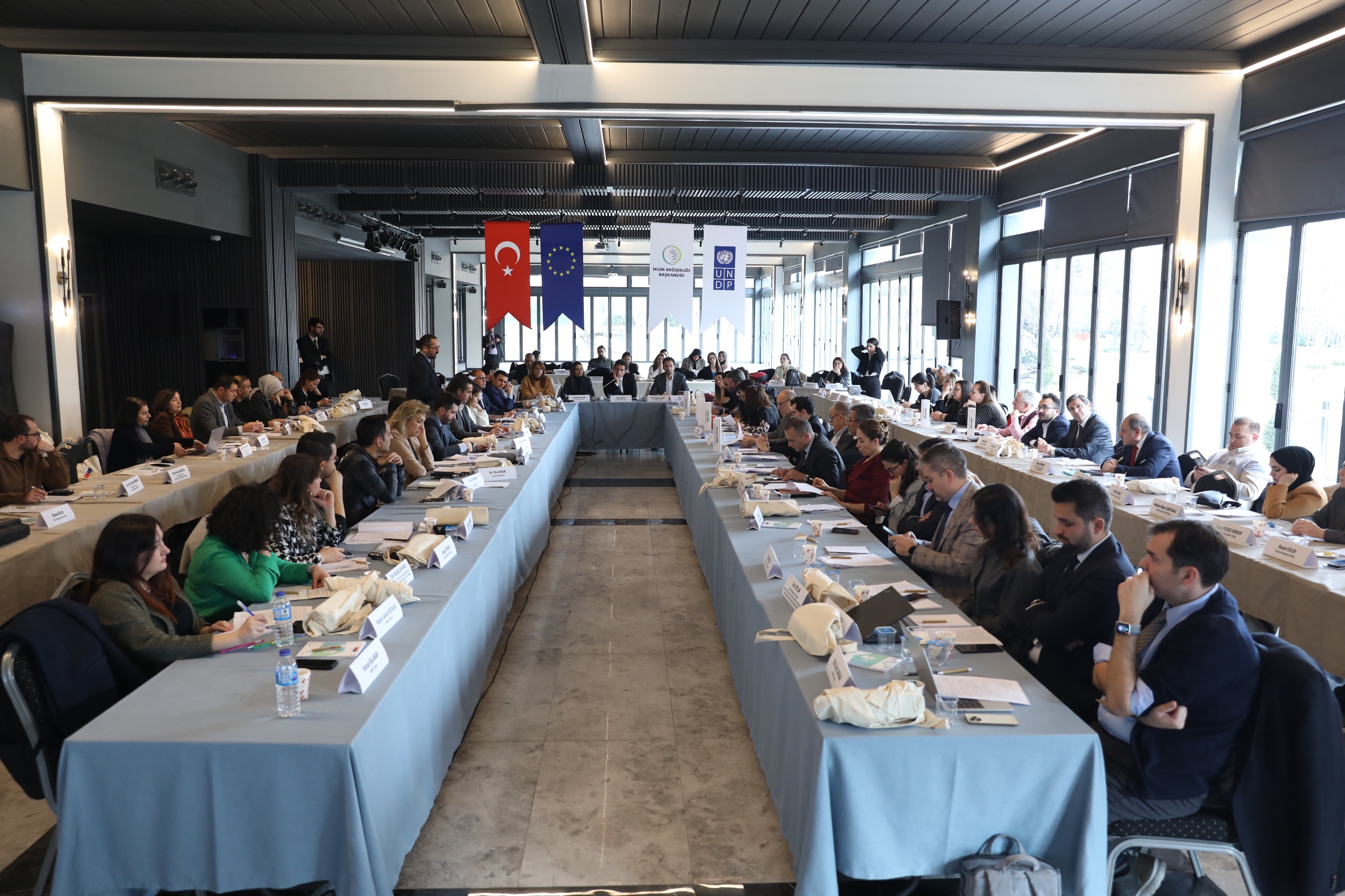
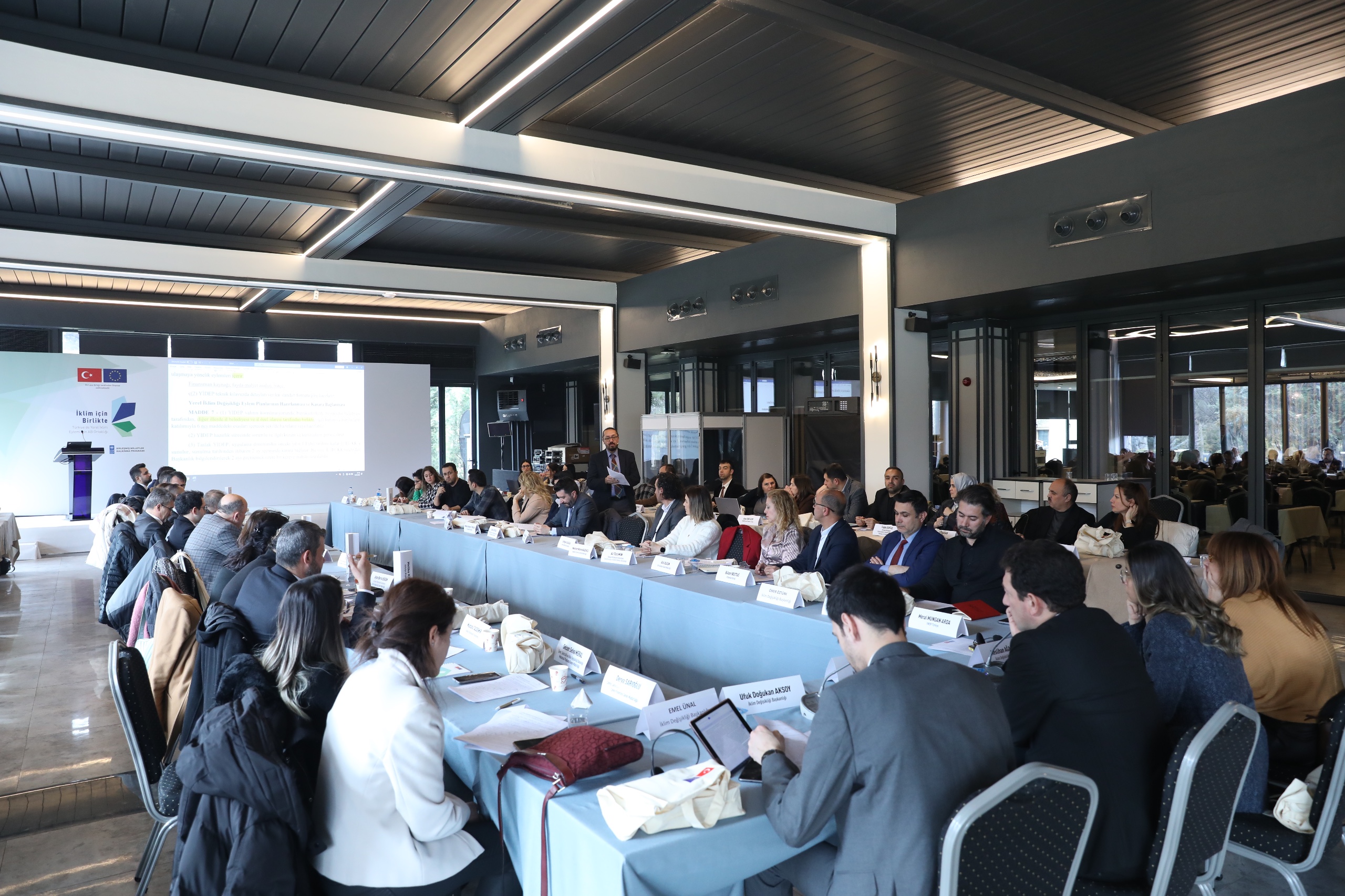
The Workshop on the Regulation on Local Climate Change Action Plans (YİDEP) was held at İlbank Social Facilities in Ankara.


08 February 2025
The Workshop on the Regulation on Local Climate Change Action Plans (YİDEP) was held at İlbank Social Facilities in Ankara.
As the adverse impacts of climate change continue to intensify, efforts to address climate change have become a top priority both globally and in Türkiye.
In this context, work is progressing at full pace in line with Türkiye’s 2053 Net Zero Emissions target and the updated first Nationally Determined Contribution following Türkiye’s accession to the Paris Agreement.
Within the scope of these efforts, in addition to determining and implementing climate change policies at the national level, it is also of critical importance to strengthen the effectiveness of climate change adaptation through locally tailored analyses and practices, and to contribute to the reduction of greenhouse gas emissions through local-level action, given that climate risks vary according to geographical, economic, social, and environmental conditions.
Through the European Union Partnership for Local Climate Action in Türkiye Project, the aim is to support Türkiye’s fight against climate change by strengthening implementation capacity at the local level, thereby promoting sustainable, low-carbon, and climate-resilient development.
The workshop brought together stakeholders to ensure active participation and to hold consultations on the scope of the YİDEP regulation and the proposed roadmap.
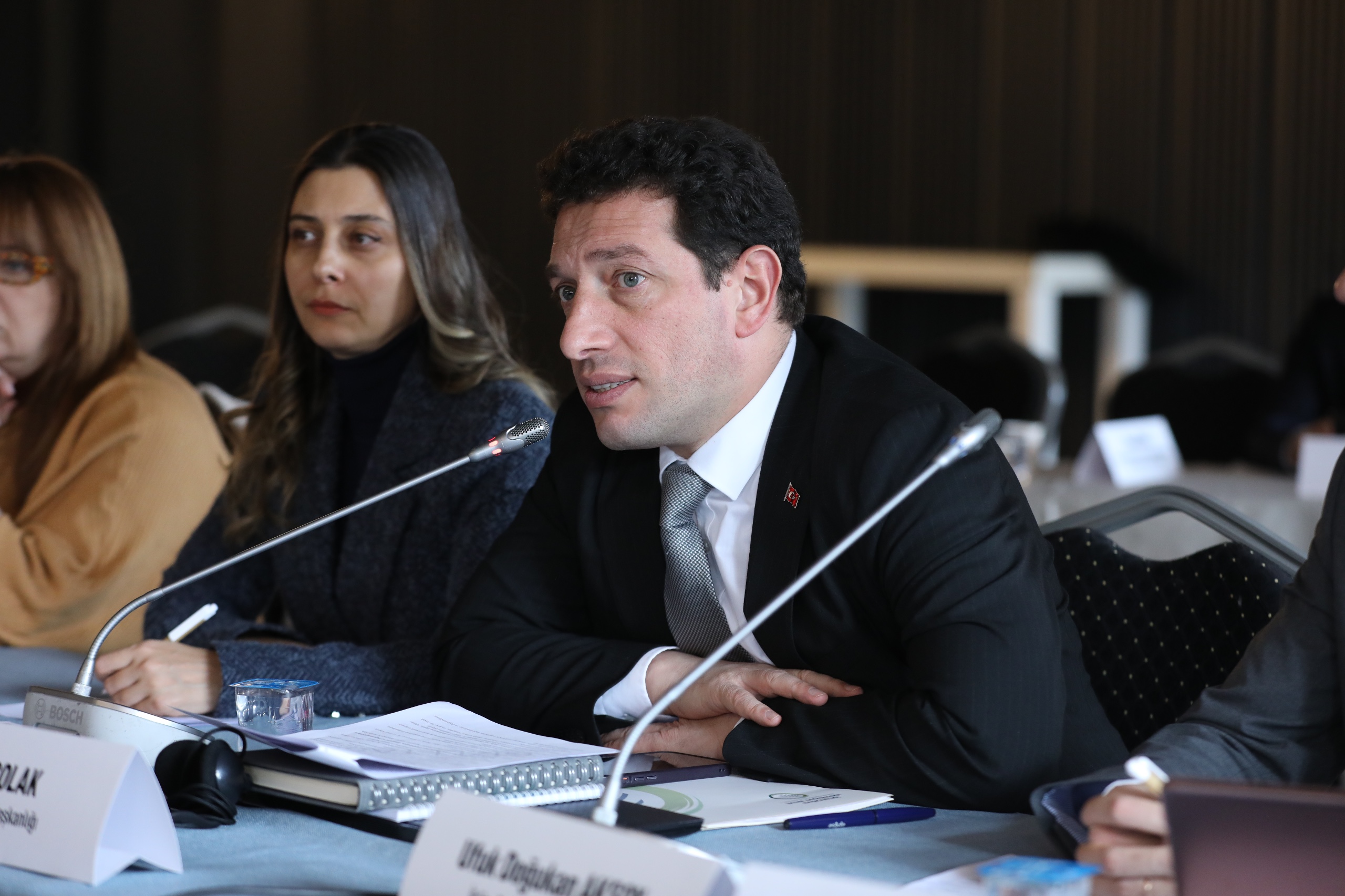
The workshop, which opened with a keynote address by Deputy Director of Climate Change Orhan Solak, was attended by UNDP Türkiye Deputy Resident Representative Miodrag Dragisic, European Union Delegation to Türkiye Environment and Climate Change Program Manager Christian Ballarò, as well as experts and stakeholders in the field. In his opening remarks, Deputy Director Solak referred to the gravity of temperature increases caused by climate change, citing the European Environment Agency’s recently published report Urban Adaptation in Europe, and said: “Temperatures across Europe and the Mediterranean Basin are rising at a faster pace than the global average. The latest scientific research shows that our planet has already warmed by 1.45°C, while the Mediterranean Basin has warmed by more than 1.5°C. And although climate change is a global problem, its impacts are felt most strongly at the local level, namely in cities. Cities cover only 2 percent of the Earth’s surface; yet, they consume more than two-thirds of the world’s energy and account for over 70 percent of global greenhouse gas emissions.”
Stressing that cities are both drivers of climate change and highly vulnerable to its impacts, Solak said: “Cities are already affected by climate hazards such as floods, heatwaves, heavy rainfall, storms, wildfires, and drought. Yet despite all these adverse impacts, cities also play a critical role in delivering solutions in the fight against climate change.”
Emphasizing that the Paris Agreement encourages countries to develop long-term strategies to limit the increase in global average temperatures to 2°C, and preferably to 1.5°C, Solak said: “Our President’s announcement of the 2053 Net Zero Emissions target marked a major turning point for our country. Within this framework, we have prepared our Long-Term Climate Strategy in line with the 2053 Net Zero target, and our Minister Murat Kurum announced our Long-Term Climate Strategy at COP29.”
Recalling that the Climate Change Adaptation and Mitigation Strategies and Action Plans, which are among the key implementation tools of the Long-Term Climate Strategy, have been prepared on a sectoral basis for the 2024–2030 period, Solak continued:
“Local Climate Change Action Plans will be a vital instrument in combating climate change at the urban scale”
Under the “Urban” sector—one of the eleven sectors identified in the Adaptation Action Plan—numerous actions have been defined specifically for municipalities. To monitor implementation of the Action Plan, an electronic monitoring tool has also been developed. Moreover, within the framework of the Enhancing Adaptation Action in Türkiye Project, Local Climate Change Adaptation Action Plans (YUSEP) have been prepared for Konya, Samsun, Sakarya, and Muğla, which were selected as pilot provinces.
Local Climate Change Action Plans (YİDEP), which will serve as a key tool in addressing climate change at the urban level, will provide a roadmap for local stakeholders to enable cities and communities to adapt to the adverse impacts of climate change and to reduce greenhouse gas emissions effectively.
In other words, the widespread adoption and implementation of YİDEPs will ensure that cities become more resilient and better prepared for climate change.
Within the scope of implementing the Regulation and its accompanying Technical Guideline, six pilot provinces have been designated: Antalya, Kahramanmaraş, Ordu, Kastamonu, Isparta, and Elazığ.