


-
05 January 2025
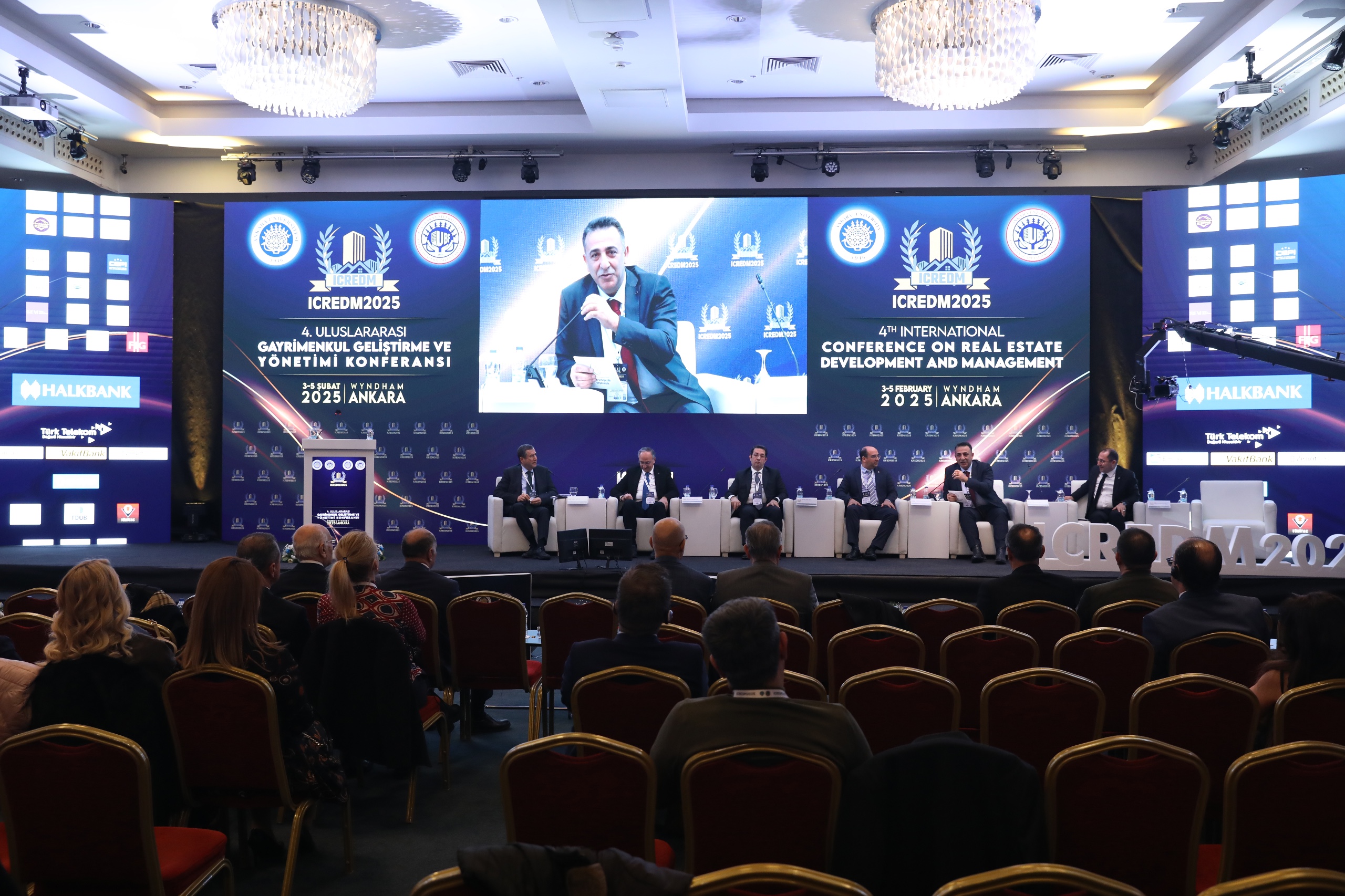
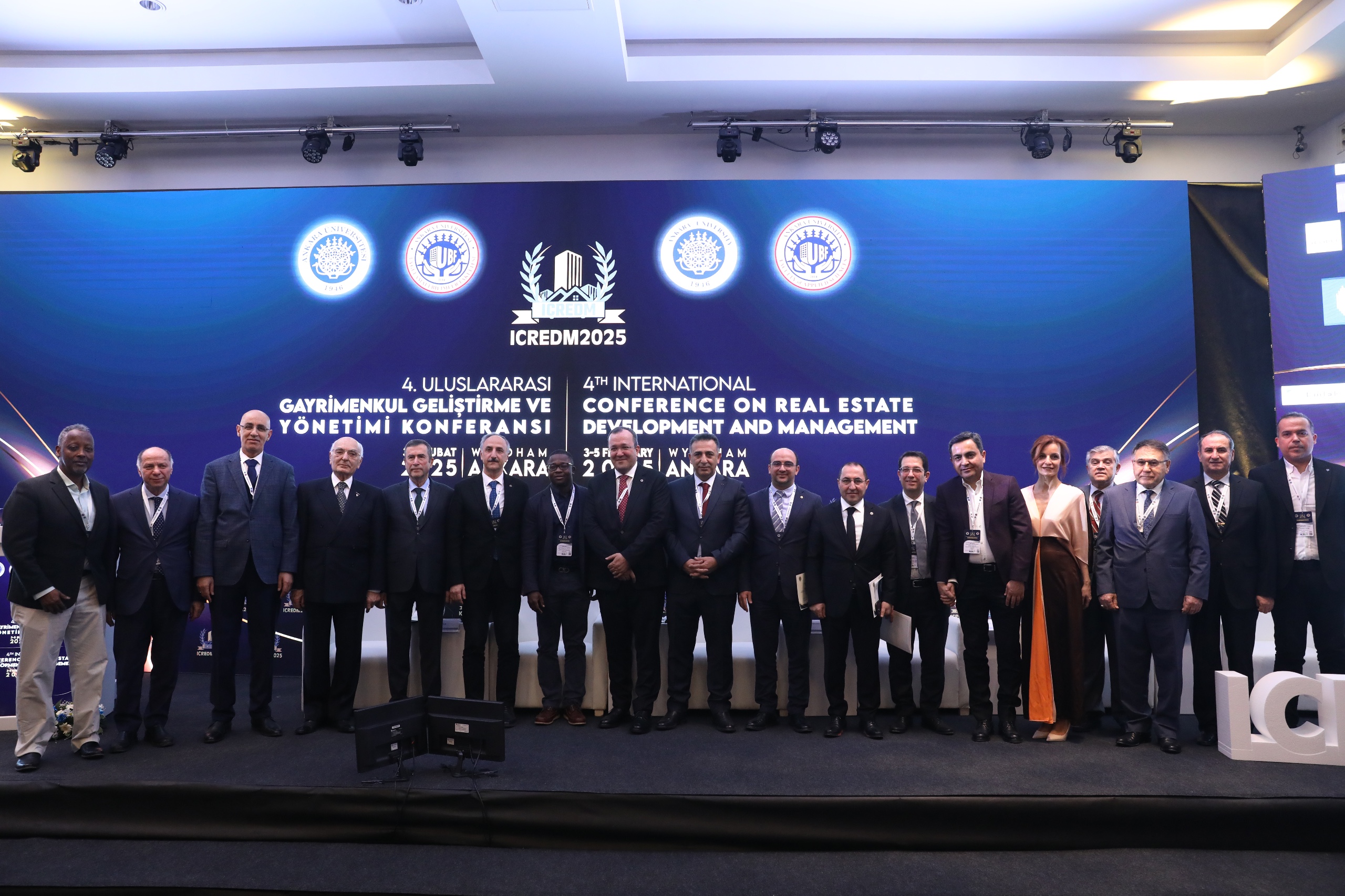
Organized by Ankara University and Ankara University School of Applied Sciences, the conference was convened under the theme “Residential and Commercial Real Estate Markets Under Climate Crisis and Financial Risk and Their Future.”
The conference, which brought together scientists and administrators from universities around the world, addressed in depth a wide range of topics, including international developments in climate politics, Türkiye’s climate policies, the role of industry in the fight against climate change, the role of local governments in climate action, carbon tax policies and environmentally responsible real estate practices, as well as country case studies on climate change mitigation.
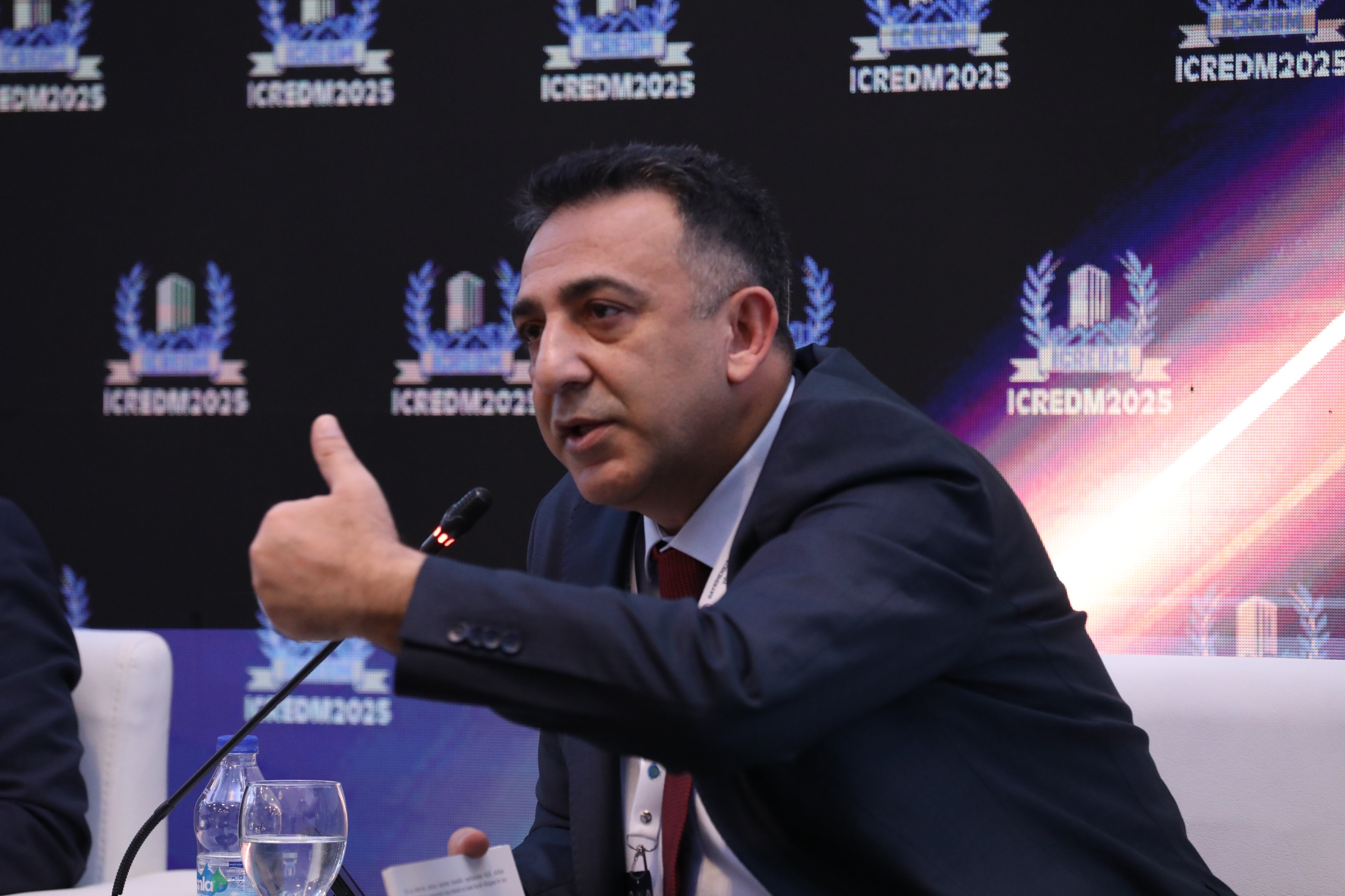
Speaking in Ankara at the three-day conference under the title “Türkiye’s Climate Change Policies,” Director of Climate Change Prof. Halil Hasar focused on international developments in climate politics and Türkiye’s climate diplomacy.
Underlining that the world is facing the growing threat of climate change, Prof. Hasar stressed that addressing the risks posed by this crisis and by natural disasters requires not only local action but also global solidarity and cooperation.
Highlighting decisions taken in international negotiations on climate action, Türkiye’s active role in these processes, and the steps that need to be taken in the period ahead, Prof. Hasar made the following remarks:
“February 6 has shown us how vital it is to build not only earthquake-resistant structures but also disaster-resilient cities.”
Two years ago, on 6 February 2023, our country was struck by one of the most devastating earthquakes in its history. In this tragic disaster, more than 50,000 citizens lost their lives, tens of thousands of buildings collapsed or became uninhabitable, and the lives of millions were profoundly disrupted. As part of the efforts led by our Ministry, 11 provinces in the earthquake zone were transformed into vast construction sites, and construction has begun on all the housing units required. By the end of 2024, the target of delivering 200,000 housing units had been exceeded. By the end of 2025, a total of 453,000 housing units will be completed, ensuring that all earthquake survivors are able to return to permanent homes. This painful experience has once again demonstrated how vital it is to build not only earthquake-resistant structures but also disaster-resilient cities and economies.
“Our world is facing the threat of climate change.”
Our world is facing the threat of climate change. In order to address this global challenge, the Conferences of the Parties (COP), held annually under the United Nations Framework Convention on Climate Change (UNFCCC), provide a platform for strengthening international cooperation and developing concrete solutions. However, the international community needs to assume far greater responsibility to ensure that these mechanisms are implemented effectively and transparently. Within this framework, promoting energy efficiency in buildings and climate-friendly transformations holds great significance. Türkiye is taking important steps in line with its Net Zero Emissions Target, which is of critical importance for a sustainable environment and social well-being.
“Türkiye has identified strategies for nearly zero-energy buildings and green-certified buildings.”
Within Türkiye’s Long-Term Strategy (LTS), three core strategies have been defined for the buildings sector to reduce carbon emissions and improve energy efficiency by 2053, namely Reducing Carbon Emissions, Nearly Zero-Energy Buildings, and Green-Certified Buildings. As part of the COP process and within the Mitigation Work Programme, concrete targets have been established to reduce the climate impact of buildings. As the Directorate of Climate Change, we proposed that the buildings sector be selected as the thematic focus of the Programme in 2024, and in line with this proposal, consultations were held in 2024 on “Cities: Buildings and Urban Systems.” In this context, it is important to enhance the energy efficiency of existing buildings, construct new buildings in line with sustainable architectural standards, integrate renewable energy sources into buildings, and promote carbon-neutral buildings in cities through international certification programmes.
“The Kahramanmaraş earthquakes have once again demonstrated the multidimensional impacts of natural disaster risks.”
The Kahramanmaraş earthquakes of February 6 revealed the multidimensional impacts of natural disaster risks in our region and around the world. Beyond strengthening national resilience policies, this major disaster also underscored the necessity of international solidarity and cooperation. The Kahramanmaraş earthquakes have once again demonstrated the multidimensional impacts of natural disaster risks. In the reconstruction process, building cities that are resilient not only to earthquakes but also to climate-related risks is of vital importance for the safety of future generations. Cities are both among the largest contributors to climate change and the settlements most affected by it. At the same time, they possess a unique potential to generate solutions. Through renewable energy, green infrastructure, sustainable public transport, and energy-efficient buildings, cities can reduce their emissions by up to 90 percent by 2050.
“Building climate-resilient cities is a necessity not only for today’s security and prosperity but also for that of future generations.”
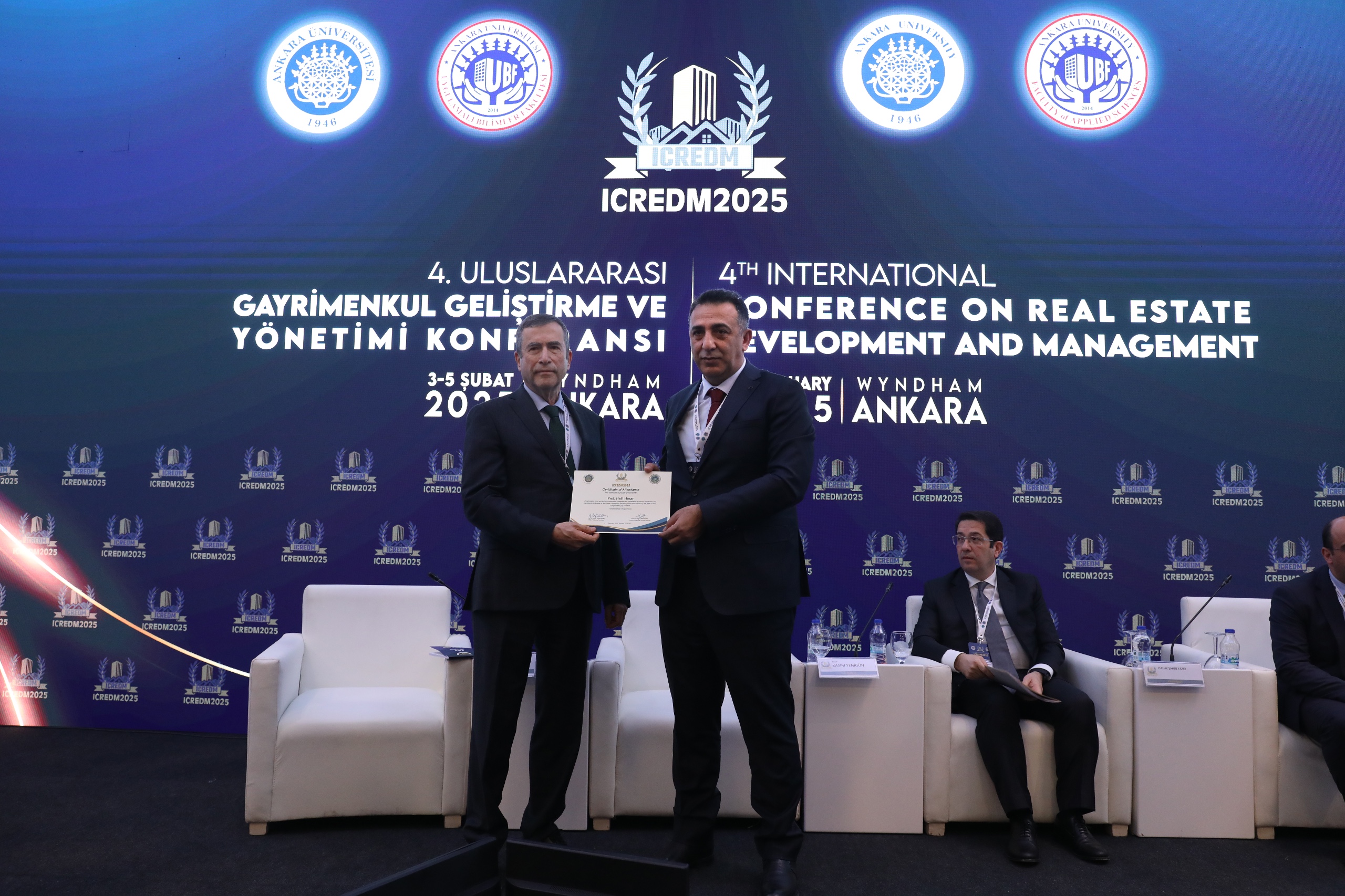
The initial costs of implementing climate action plans may remain minimal when compared with their long-term benefits. Decisions taken today through a holistic perspective will reduce future losses and damages. Residential and commercial real estate markets are among the areas that feel the most intense impacts of the climate crisis and natural disasters. As the risk profiles of cities evolve, financial systems must also adapt to these risks. Building climate-resilient cities is a necessity not only for today’s security and prosperity but also for that of future generations. The conference concluded with Prof. Hasar responding to questions from participants, followed by a commemorative group photograph.