


The PMI Global Knowledge Forum, to which the Directorate of Climate Change is a stakeholder, was held in Spain.

19 June 2025
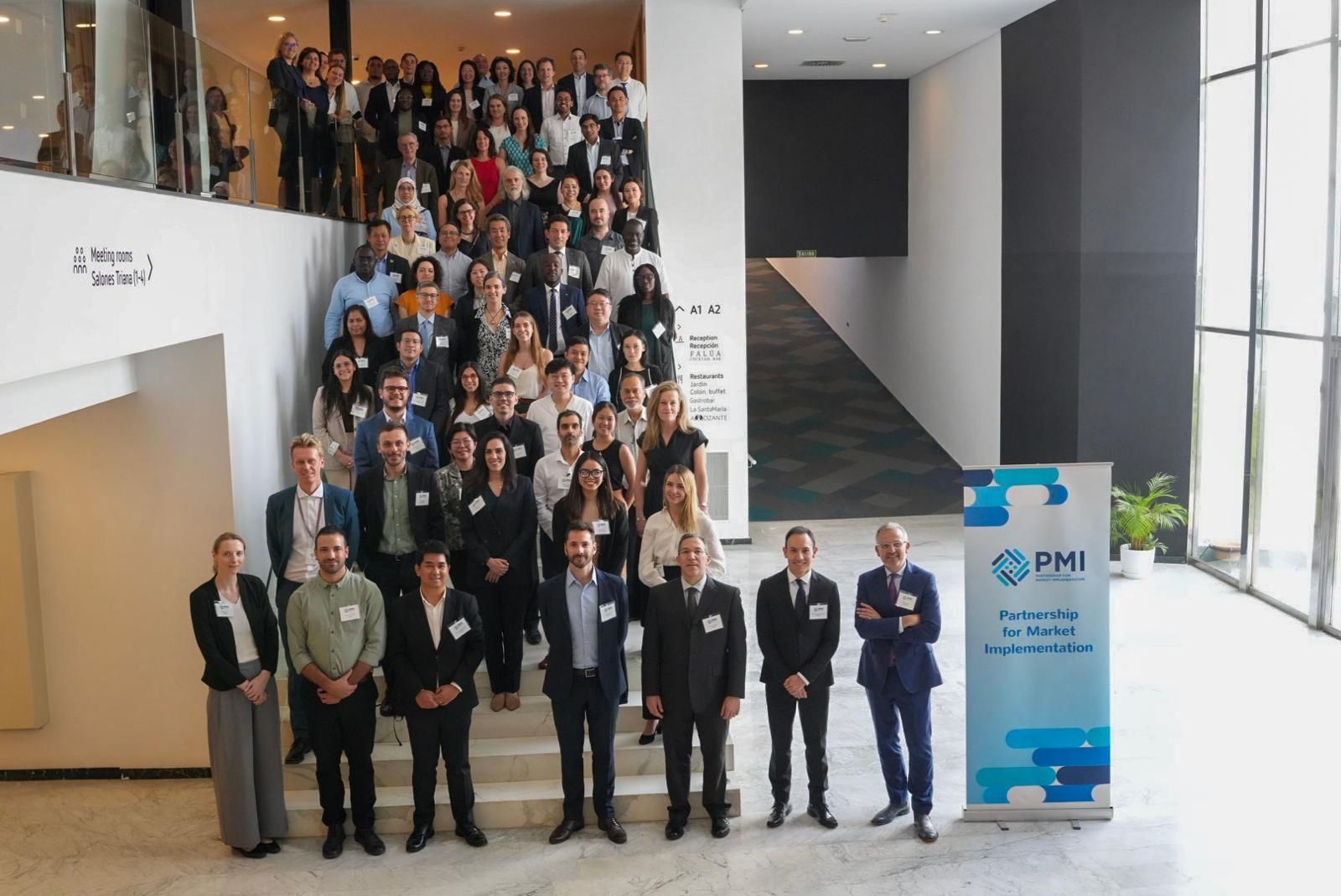
The PMI Global Knowledge Forum, to which the Directorate of Climate Change is a stakeholder, was held in Spain. The PMI Global Knowledge Forum, organized under the World Bank’s Partnership for Market Implementation (PMI) Program, aims to strengthen the contribution of carbon pricing instruments and carbon markets to climate action and the Sustainable Development Goals.
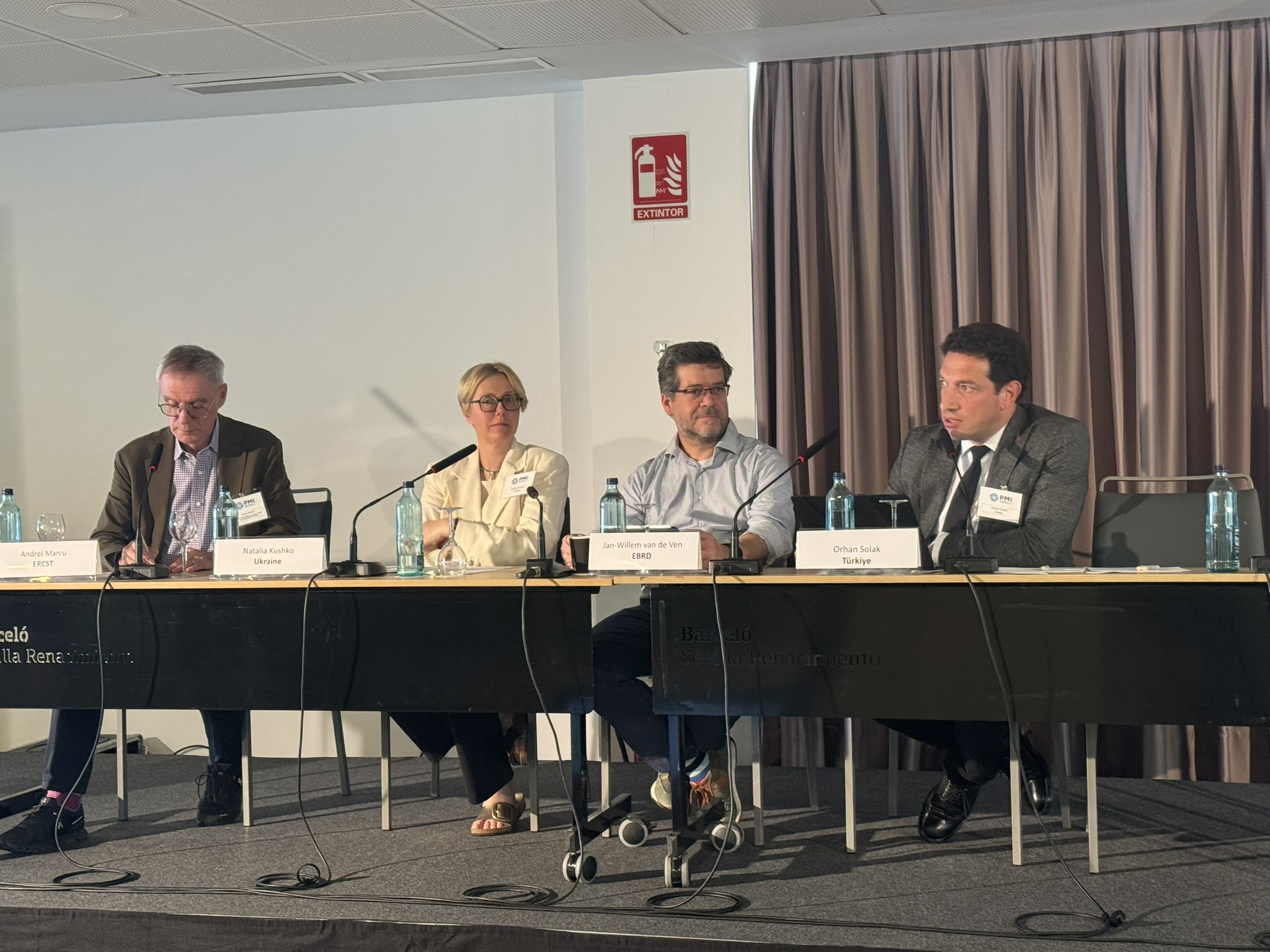
Serving as an international cooperation platform that brings together representatives of international organizations while fostering the exchange of experience and joint solution-seeking, the forum was attended by Orhan Solak, Deputy Director of Climate Change.
The two-day forum, held in Seville, Spain, addressed a wide range of issues, including the Carbon Border Adjustment Mechanism (CBAM), carbon markets, and Emissions Trading System.
Speaking at the session titled “Getting Ready for the Future: How Will Countries Respond to the Carbon Border Adjustment Mechanism (CBAM)?” within the scope of the Türkiye Carbon Market Development Project, for which the Directorate of Climate Change is the main beneficiary, Deputy Director Solak indicated that the EU’s CBAM policy has become a key factor shaping Türkiye’s trade policies that place the fight against climate change at the forefront.
Noting that Türkiye is in the process of establishing an Emissions Trading System (ETS) under the Climate Law prepared in line with the 2053 net-zero target, and that the system is planned to initially cover sectors falling within the scope of CBAM, Solak also underscored the importance of the mutual recognition of monitoring, reporting, and verification (MRV) systems and the establishment of common frameworks in order to ensure that global carbon pricing is transparent, comparable, and reliable.
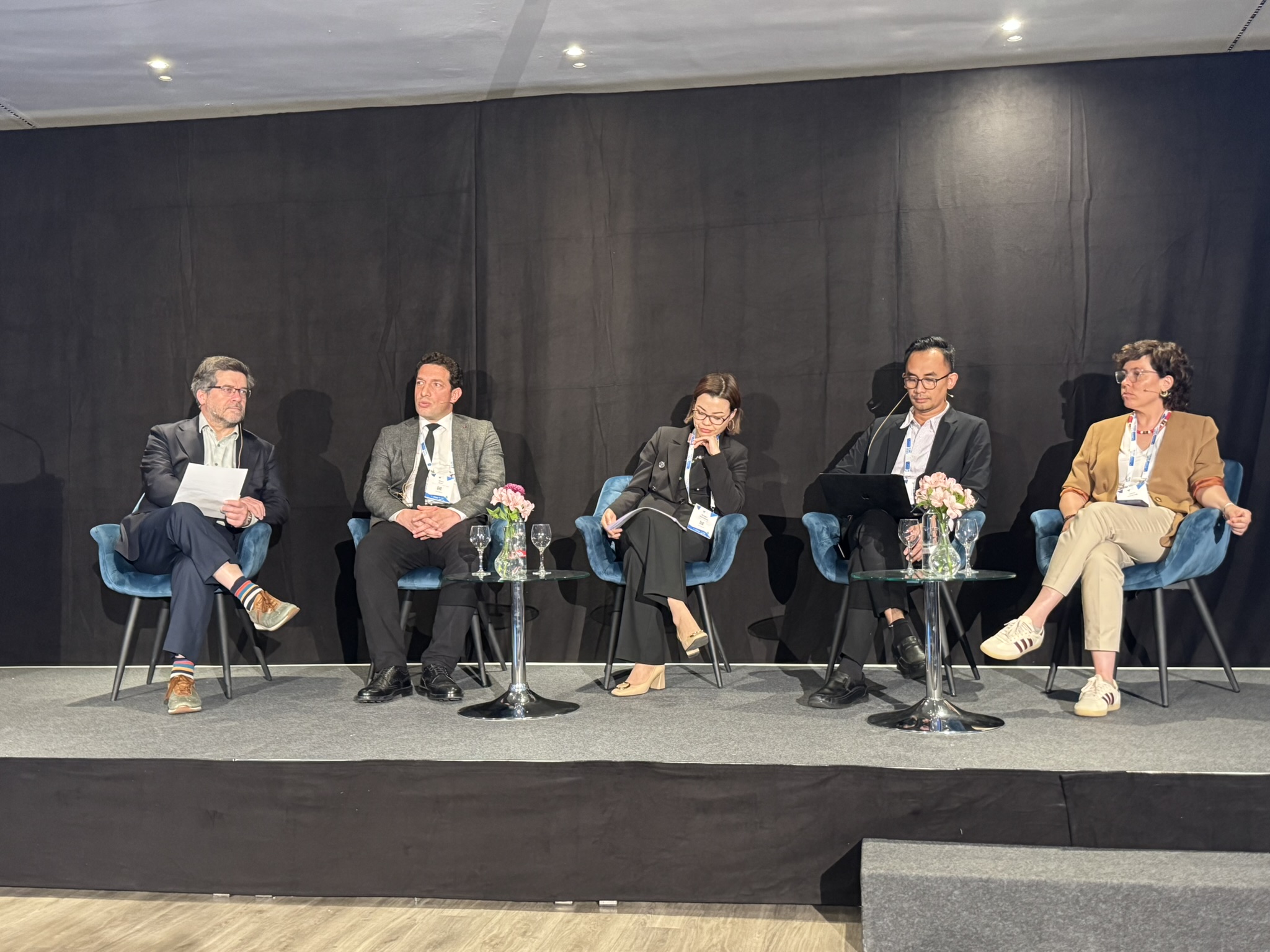
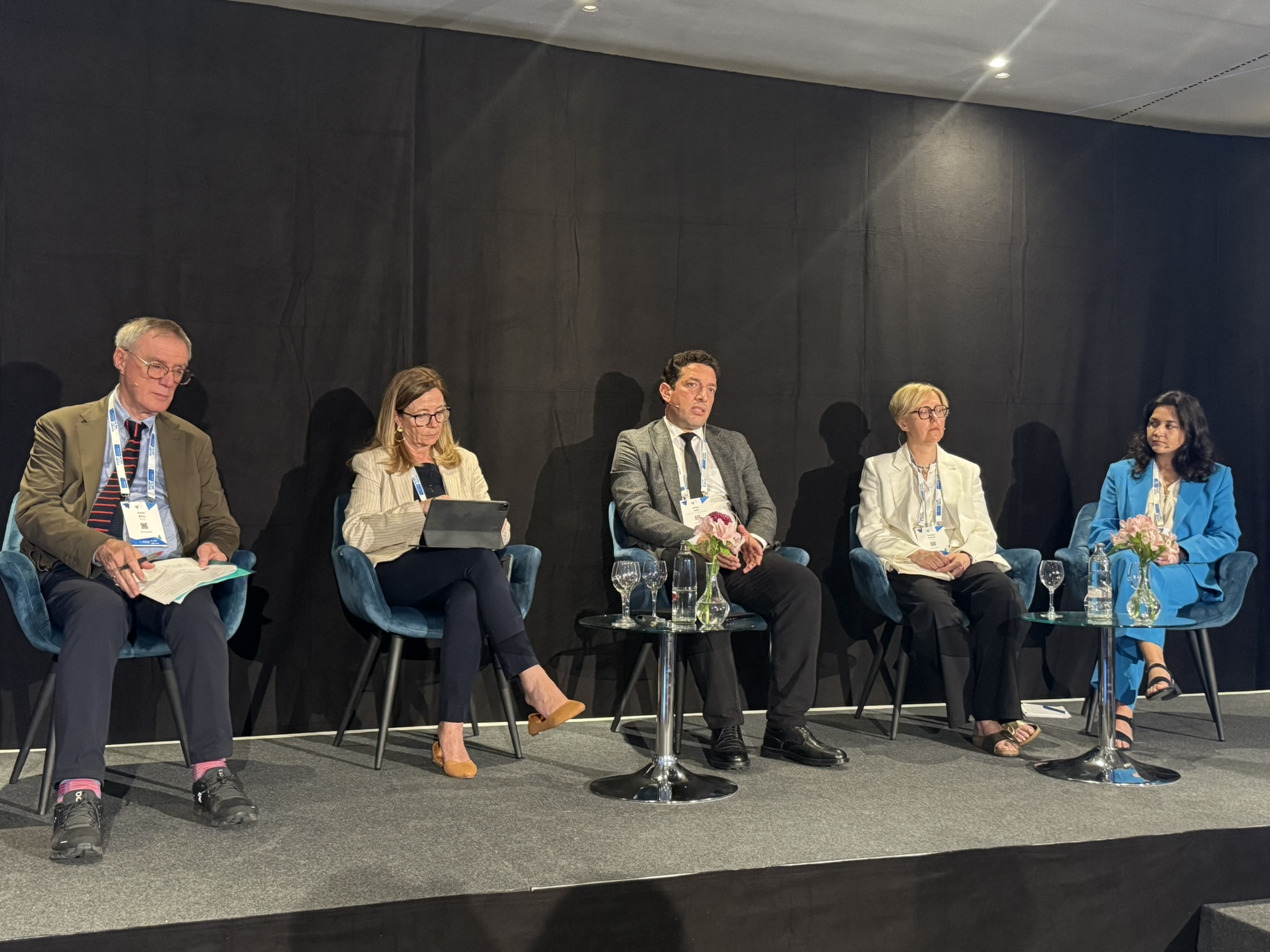
Following the forum, Solak also participated in the Innovate4Climate 2025 Conference, held in Seville in cooperation with the World Bank, the International Emissions Trading Association, and the International Carbon Action Partnership, where he delivered remarks under the titles “Border Carbon Adjustments – Opportunities and Challenges at the Intersection of Carbon Pricing and Trade” and “The Role of Carbon Pricing in Practice: Supporting Countries’ Resilient and Low-Emission Development Pathways.”
Explaining that the ETS is being developed as the main carbon pricing instrument in line with Türkiye’s long-term climate targets, and that a pilot implementation of a transitional nature is envisaged based on the existing MRV infrastructure, Solak emphasized that the mutual recognition of national systems is needed to ensure that CBAM is just and inclusive, adding that Türkiye aims to integrate into international carbon markets on the basis of transparency and common principles.