


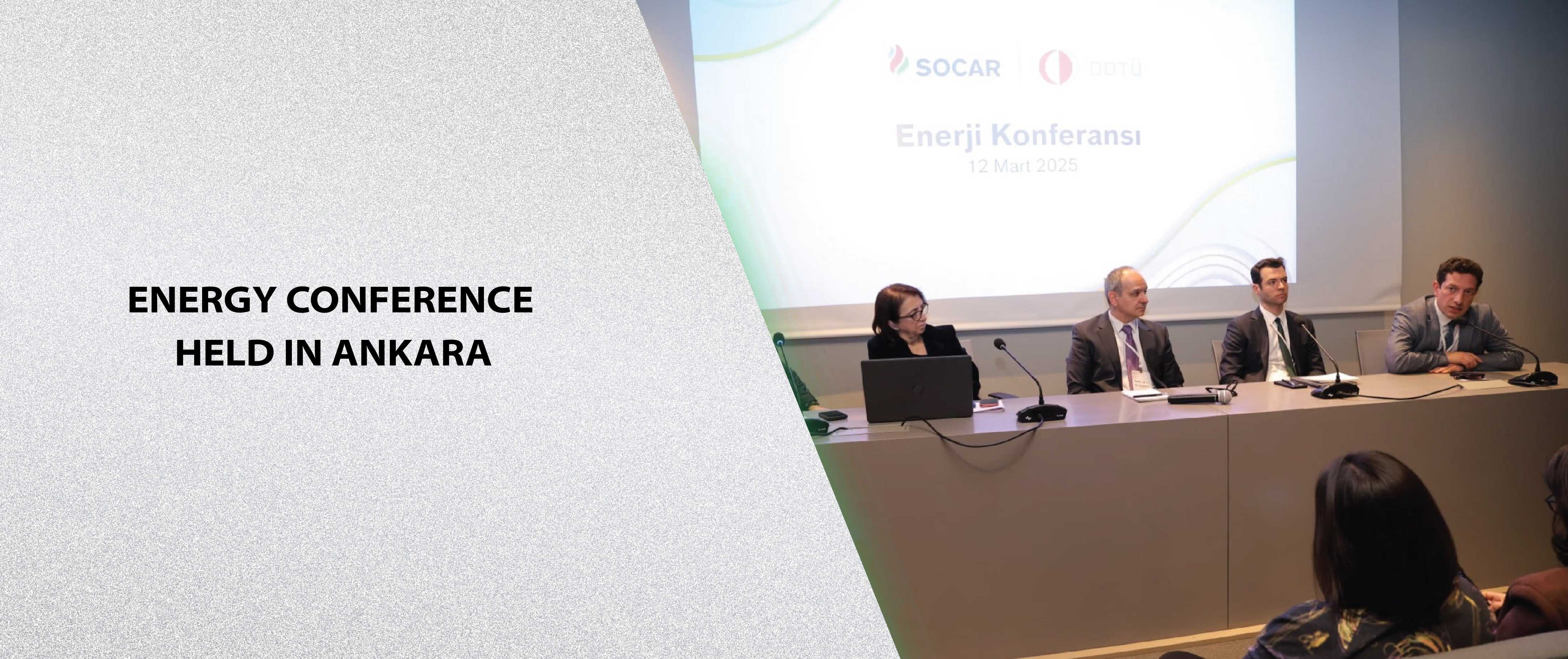
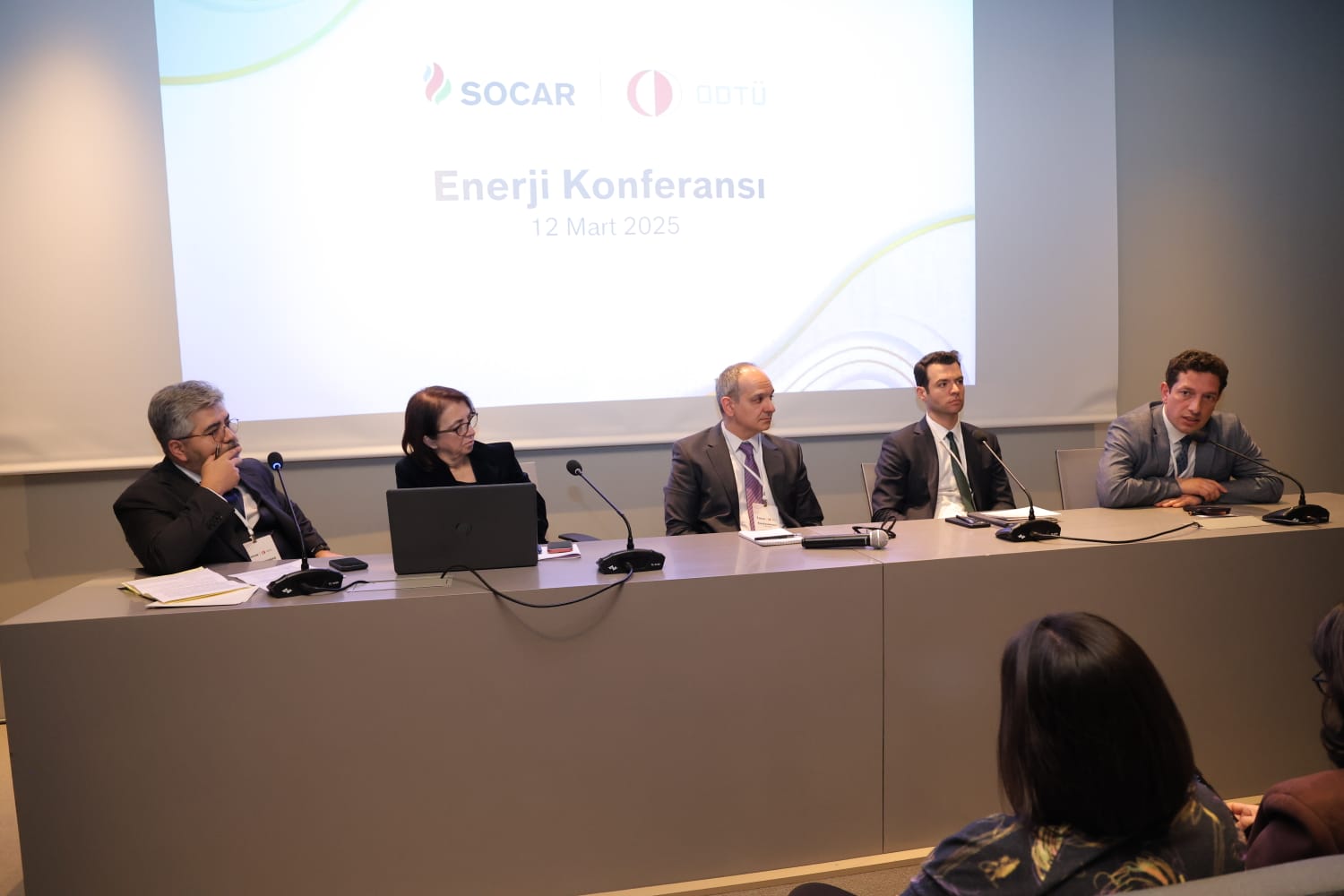
An Energy Conference was hosted in Ankara by Middle East Technical University.
18 March 2025
An Energy Conference was hosted in Ankara by Middle East Technical University. Held at the METU Technopark Conference Hall, the event was attended by Deputy Director of Climate Change Orhan Solak. The program featured sessions on “Energy Policies and Regional Cooperation”, “The Role of Oil and Natural Gas in the Energy Transition”, “Sustainability and Environmental Impact”, and “Renewable Energy Technologies”, while innovative solutions for the energy sector were also placed on the agenda.
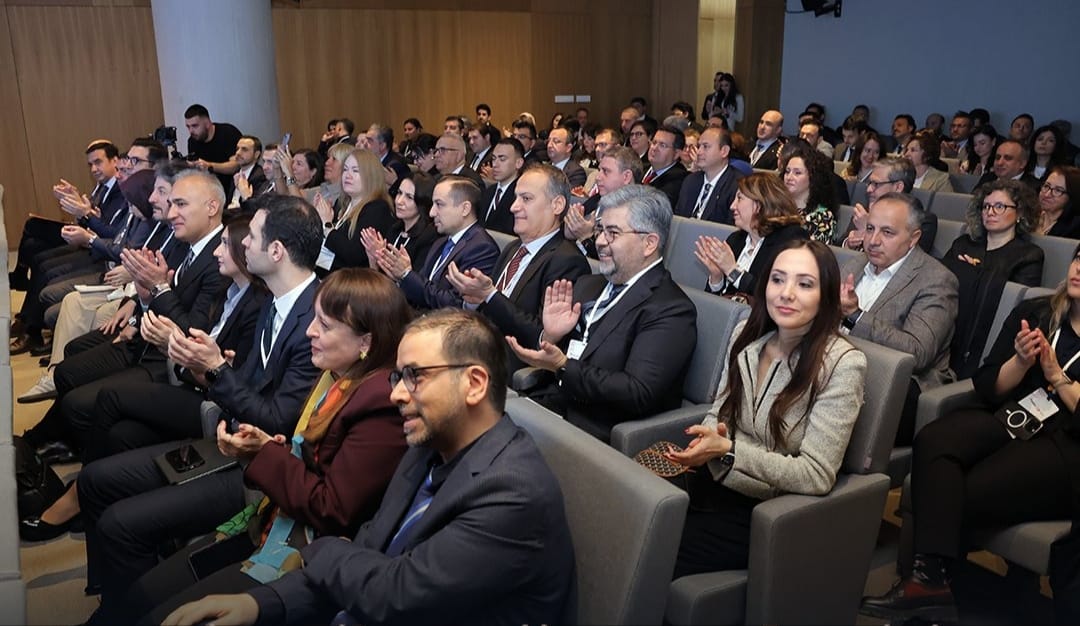
The conference brought together representatives from academia, the public sector, and the private sector, who took part in a series of panel discussions. Addressing participants, Solak indicated that the Climate Law, which is expected to be submitted to the Grand National Assembly of Türkiye, will mark the start of a new chapter in Türkiye’s climate action, adding, “The Climate Law plays a critical role in enabling Türkiye to achieve its net zero emissions and green development targets and to establish an Emissions Trading System (ETS). It will also pave the way for scaling up climate finance and rolling out environmentally friendly incentives. Our aim is to minimize the impacts of the climate crisis while safeguarding our environment and strengthening Türkiye’s competitiveness.”
Emphasizing that national and local action plans are being prepared to make cities and sectors more resilient to climate change, Solak said: “Under the Climate Law, a coordination board chaired by the governor will be established in each province, and these boards will shape cities’ climate action plans by no later than 31 December 2027. The green transition and clean technologies will be promoted, and environmentally friendly projects such as carbon capture and hydrogen will be supported.”
Turning to ongoing work on the Green Taxonomy of Türkiye, Solak noted: “A comprehensive set of policies, legislation, strategies, and action plans is being developed to advance our country’s green transition goals. And one of the core instruments in this effort would be the Green Taxonomy of Türkiye. The taxonomy provides a framework for determining whether investments are genuinely sustainable, thereby facilitating access to finance for environmentally responsible projects. Work on the Green Taxonomy is nearing completion. The system covers 144 economic activities and includes 251 quantitative and 1,138 qualitative criteria, helping investors identify which projects are truly sustainable. Unlike the European Union, Türkiye has also included sectors such as tourism and agriculture in its national taxonomy.”
The conference was attended by METU President Prof. Yozgatlıgil, Ambassador of Azerbaijan to Ankara Dr. Rashad Mammadov, Deputy Minister of Energy and Natural Resources Nevzat Şatıroğlu, leading academics, and numerous invited guests.