


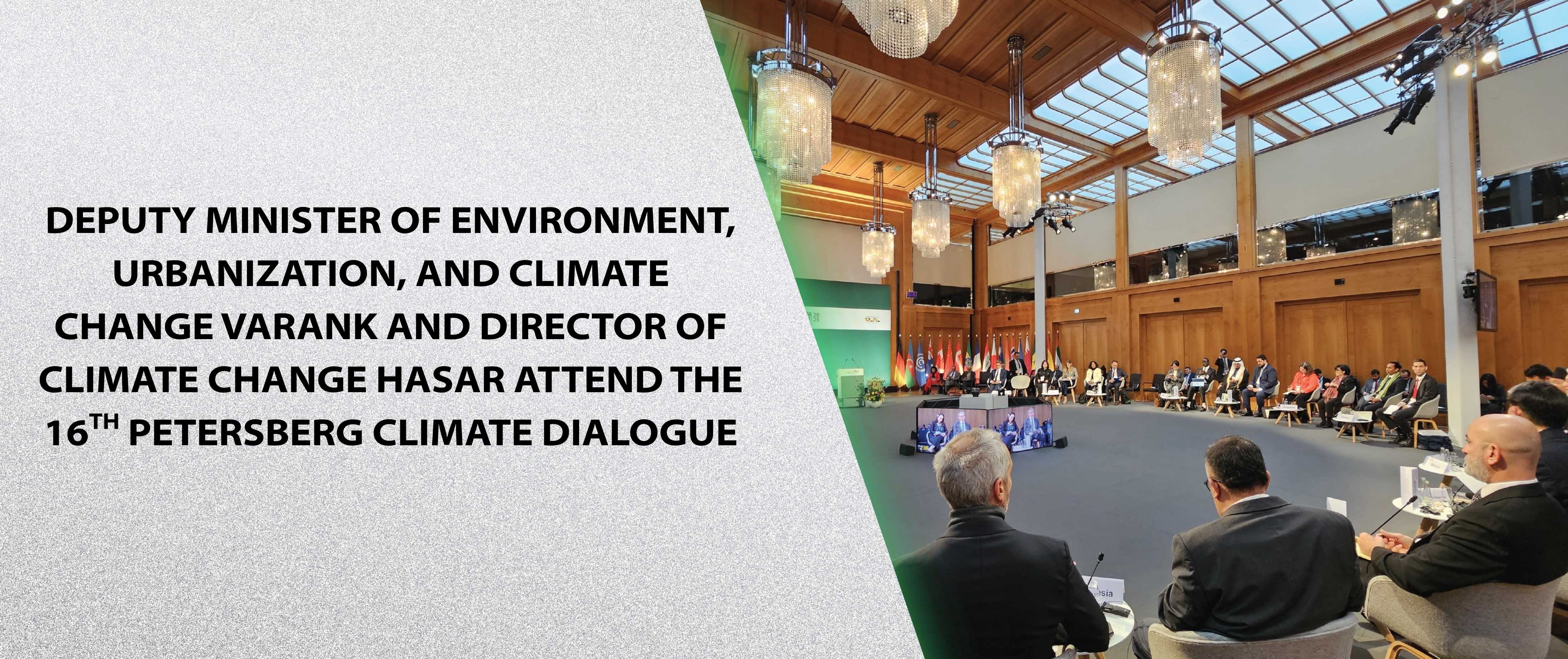
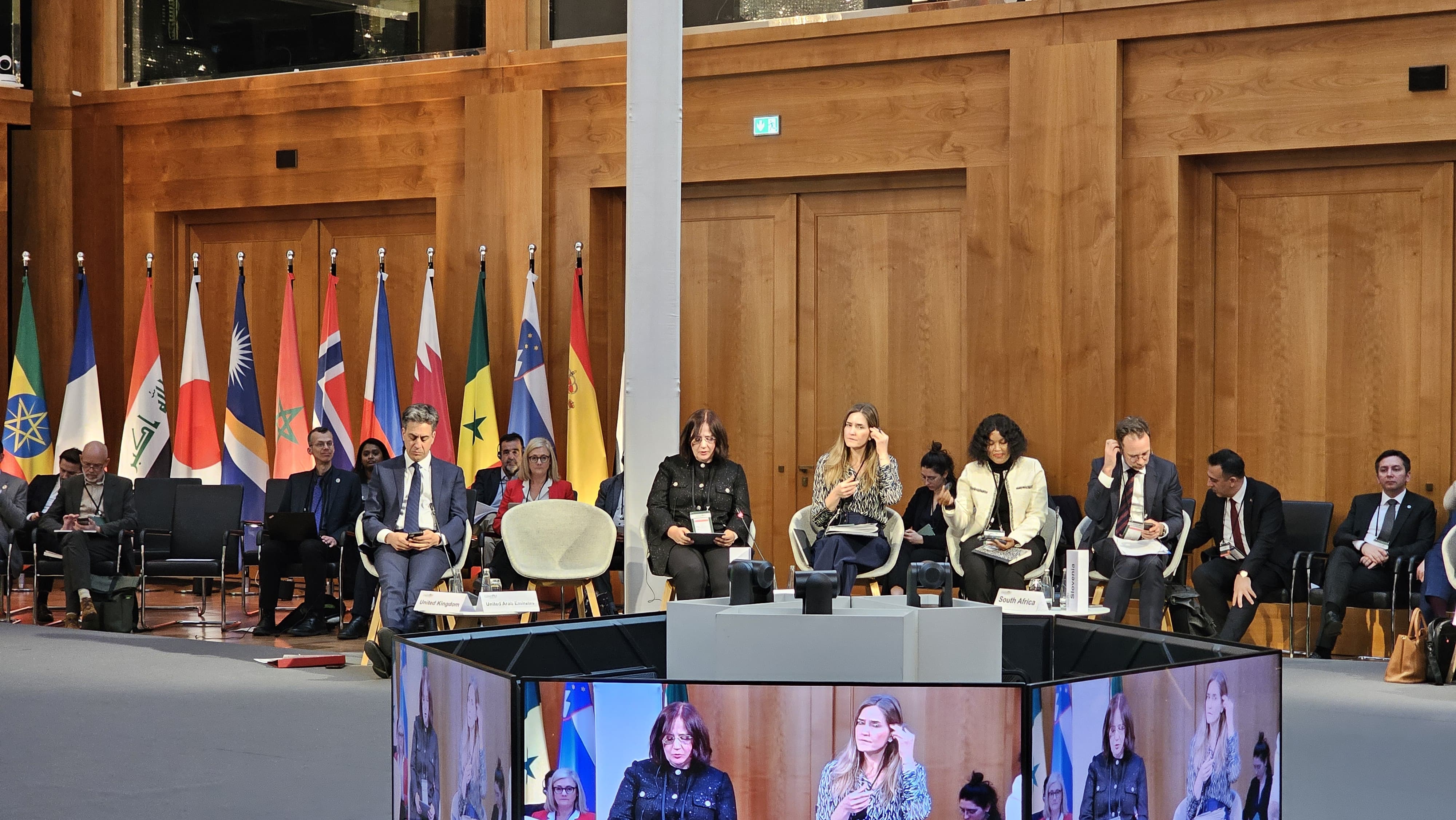
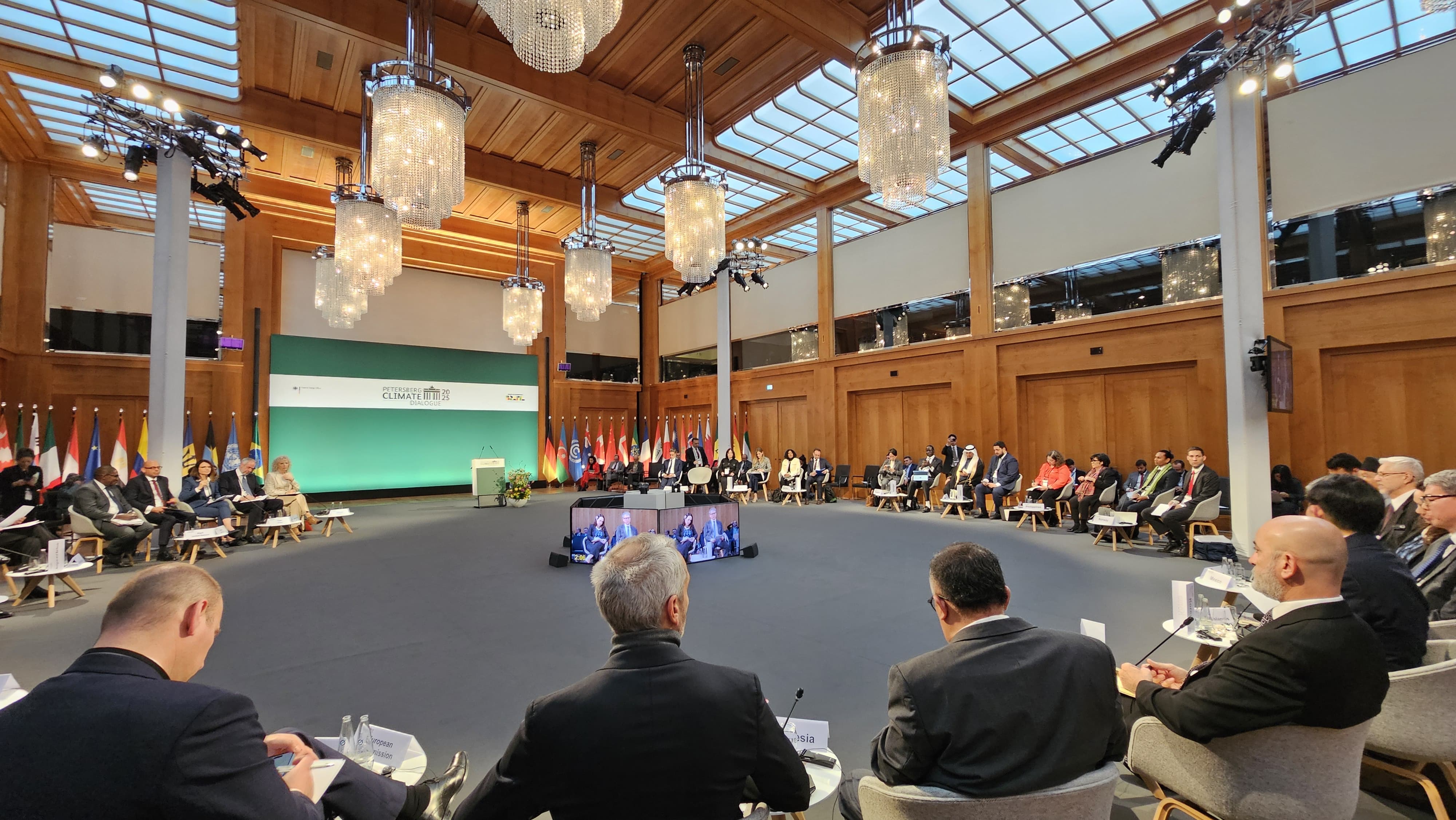
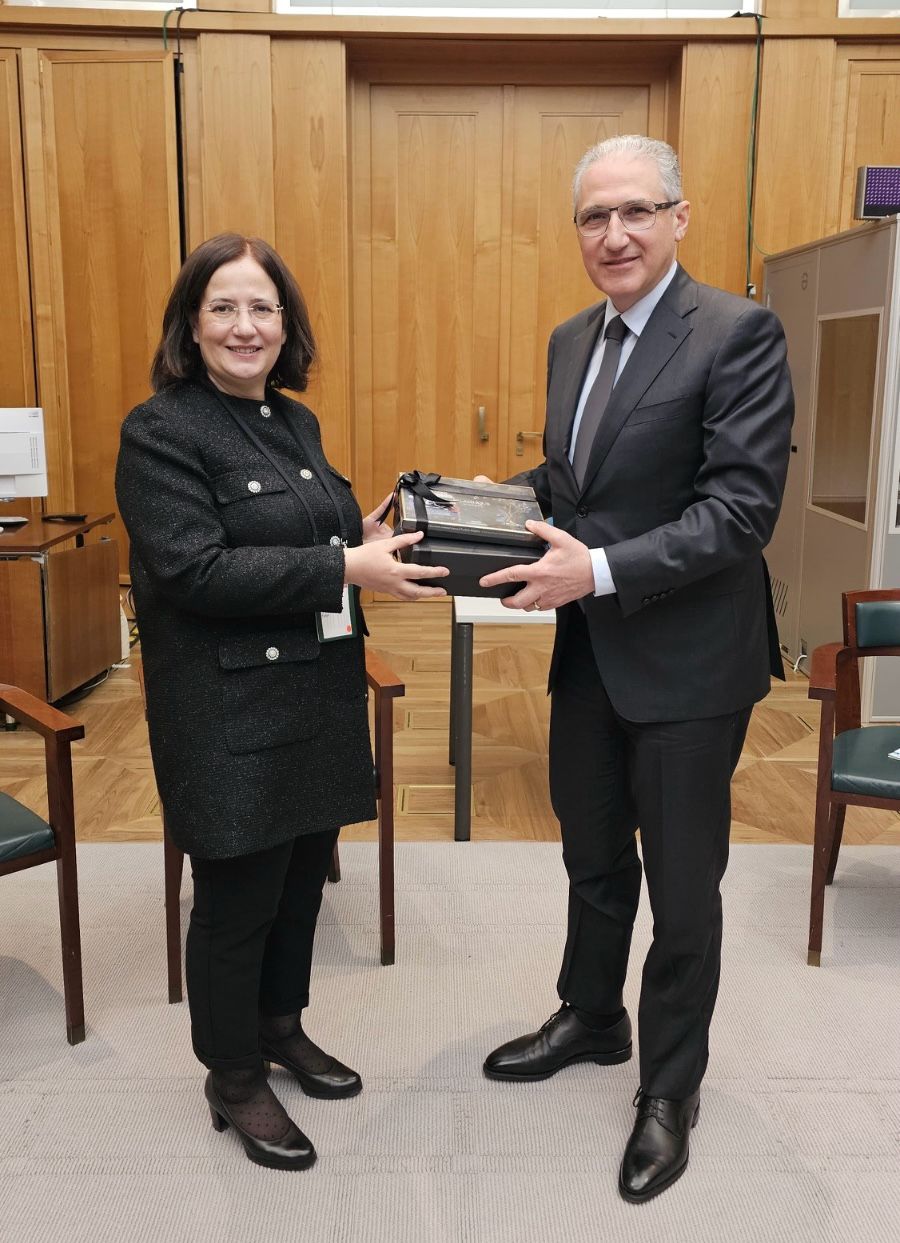
Deputy Minister of Environment, Urbanization, and Climate Change Fatma Varank attended the meeting held in Berlin under the 16th Petersberg Climate Dialogue, accompanied by Director of Climate Change Prof. Halil Hasar.
26 March 2025
Deputy Minister of Environment, Urbanization, and Climate Change Fatma Varank attended the meeting held in Berlin under the 16th Petersberg Climate Dialogue, accompanied by Director of Climate Change Prof. Halil Hasar.
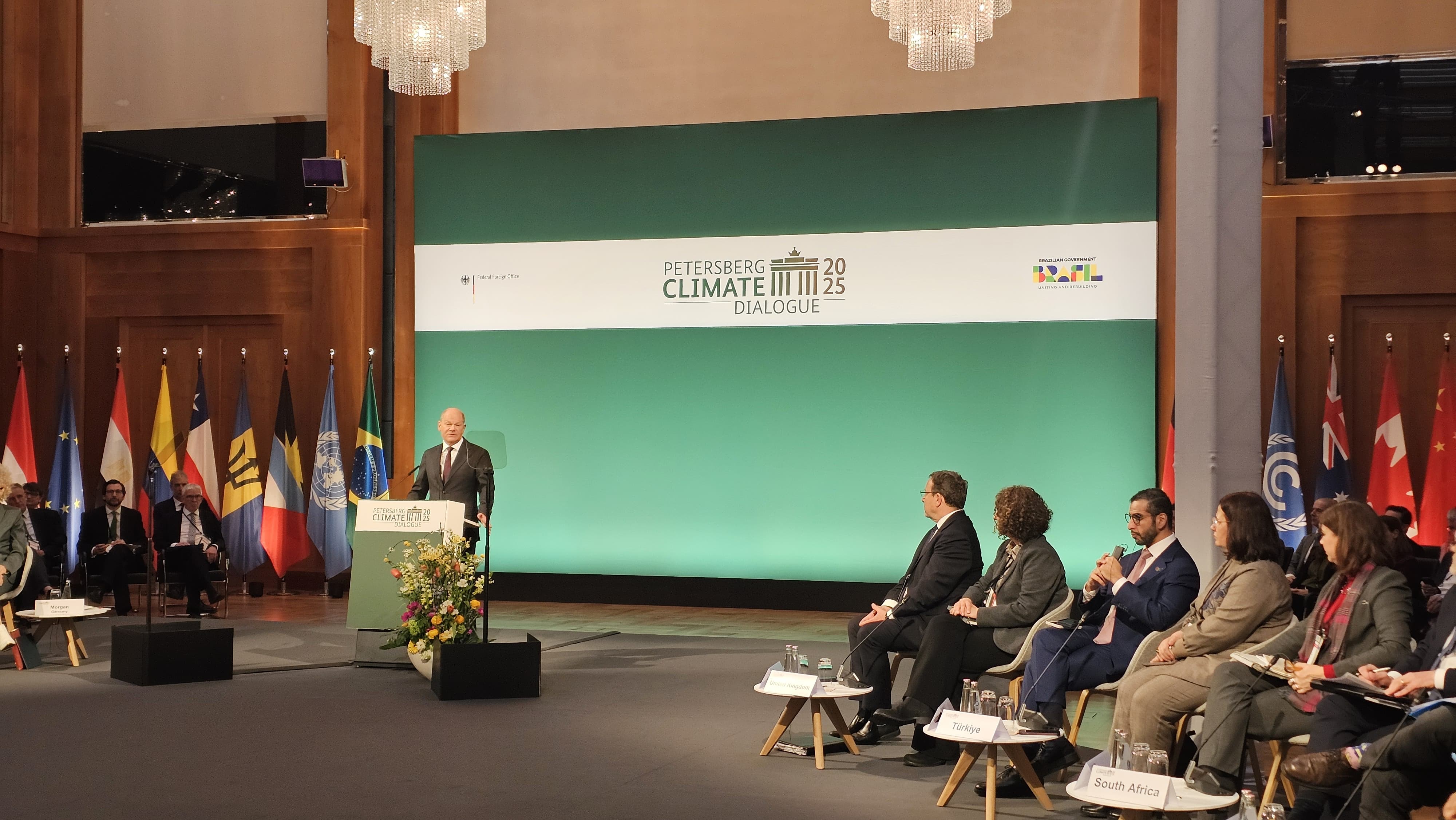
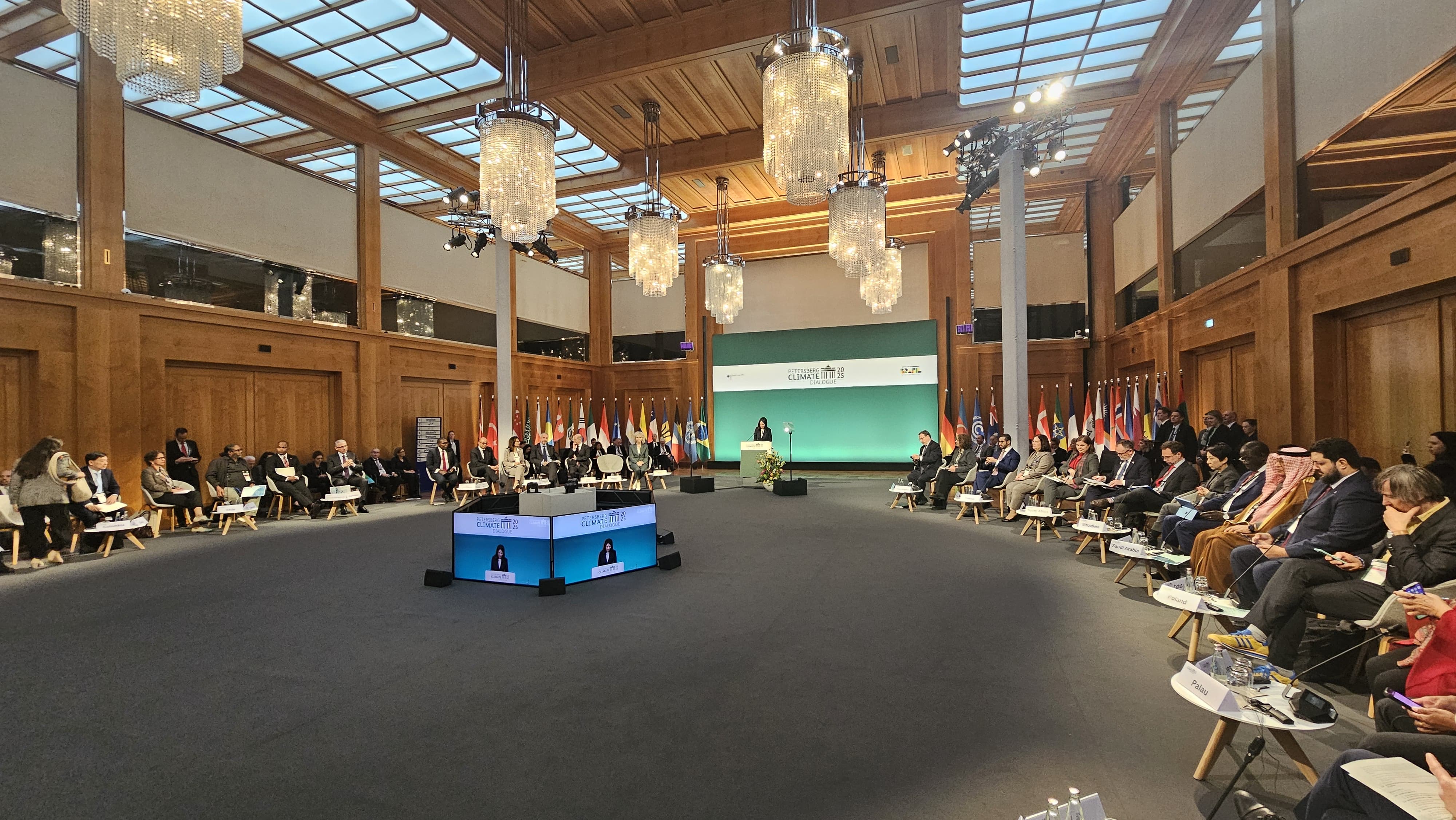
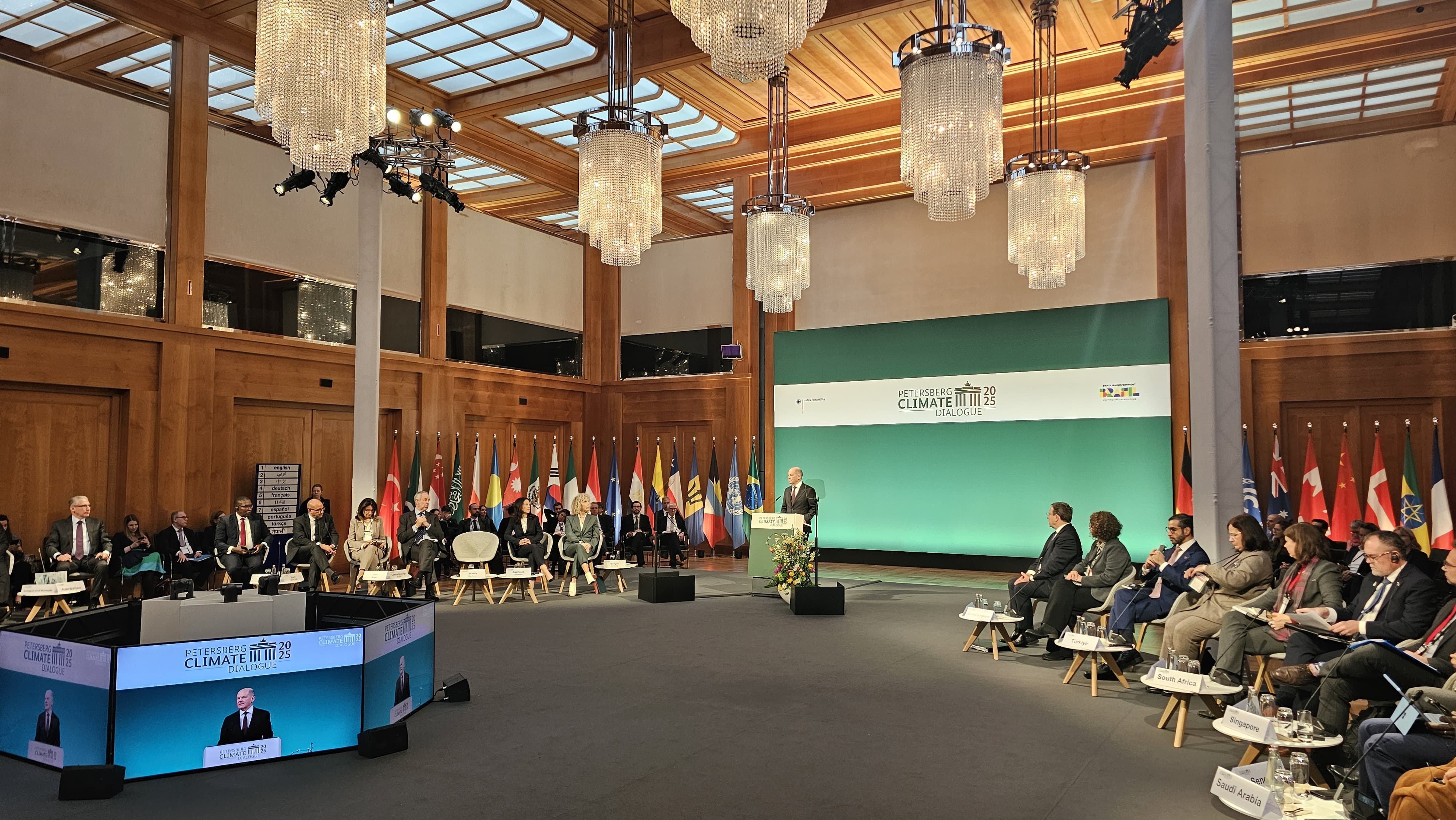
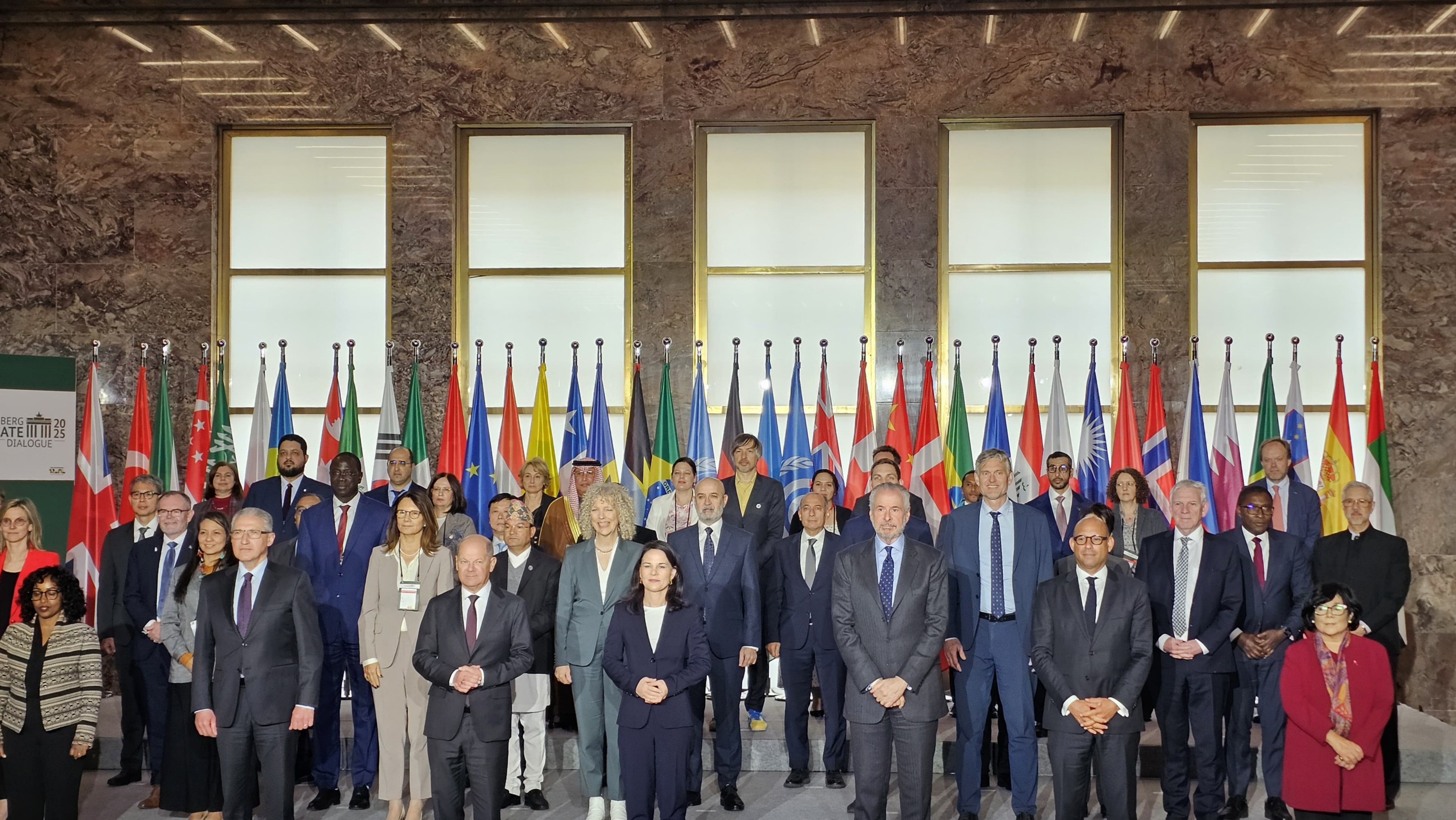
At the high-level meeting, which was also attended by German Chancellor Olaf Scholz as well as delegations from 35 countries, Türkiye was represented by Deputy Minister Varank and Director of Climate Change Hasar.
Over the two-day meeting, during which the agenda was addressed through dedicated sessions, the Turkish delegation conveyed Türkiye’s priorities and positions on the international platform.
Speaking at the sessions titled “Setting the Scene for COP30 – From Promise to Practice” and “Climate Finance: Paving the Road to USD 1.3 Trillion,” Deputy Minister Varank outlined Türkiye’s climate vision and its contributions to the global climate agenda.
In her remarks during the first session, Varank stressed that effective climate action is not possible without climate finance and stated that Türkiye has begun implementing its long-term strategy prepared in line with its 2053 Net Zero Emissions Target.
She also recalled that Türkiye’s candidacy to host COP31 remains ongoing.
In the third session, which focused on climate finance, Varank underlined the importance of the NCQG decision adopted in Baku and the “Baku to Belém Roadmap,” noting with satisfaction that this process is advancing through the collective contributions of all parties.
She further stated that Türkiye’s first Climate Law is currently under consideration by the Grand National Assembly of Türkiye and that the law will establish a strong legal framework for the emissions trading system, green taxonomy, and local climate actions.
Varank emphasized that improving the investment climate and ensuring stronger private-sector engagement will be decisive in achieving the USD 1.3 trillion climate finance target.
“The NCQG will be a driving force over the next critical decade”
Taking the floor during the sessions, Director of Climate Change Hasar highlighted that, within the scope of the Baku to Belém Roadmap for USD 1.3 Trillion, the inclusion of the private sector and other relevant stakeholders will be key to achieving this ambitious target. “We hope that the Baku to Belém Roadmap for USD 1.3 Trillion will be shaped through a sound approach,” said Hasar.
“Financial support for developing countries is of critical importance for achieving the 1.5°C goal. The New Collective Quantified Goal (NCQG) will serve as a driving force over the next critical ten years. This roadmap should contribute to increasing mitigation ambition. We would like the discussions to focus on how an additional USD 1 trillion can be built on top of the USD 300 billion in climate finance by 2035.”
Emphasizing that scaling up finance for climate adaptation is also crucial, Hasar added:
“We need to collectively define how we will move forward to reach USD 1.3 trillion. Even if the 1.5°C target is achieved, a financing gap for adaptation will remain in order to minimize climate-related risks. New methods to increase adaptation finance and innovative approaches to strengthen the financial viability of adaptation projects should be comprehensively addressed. Issues such as risk reduction through finance, guarantees, and insurance, as well as supportive incentives, should also be examined. Moreover, successful practices and the preferences of both financiers and developing countries should be analyzed.”
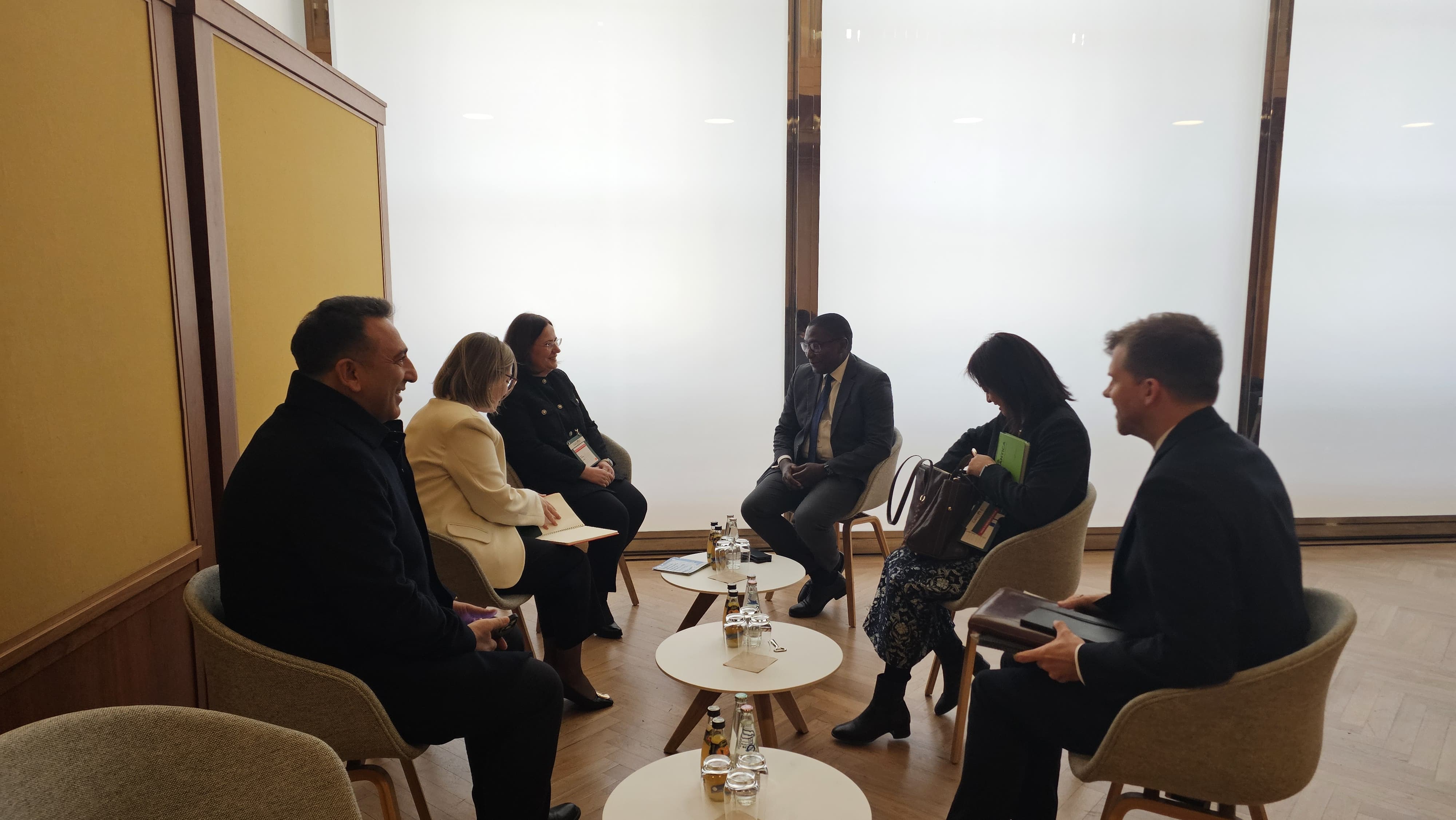
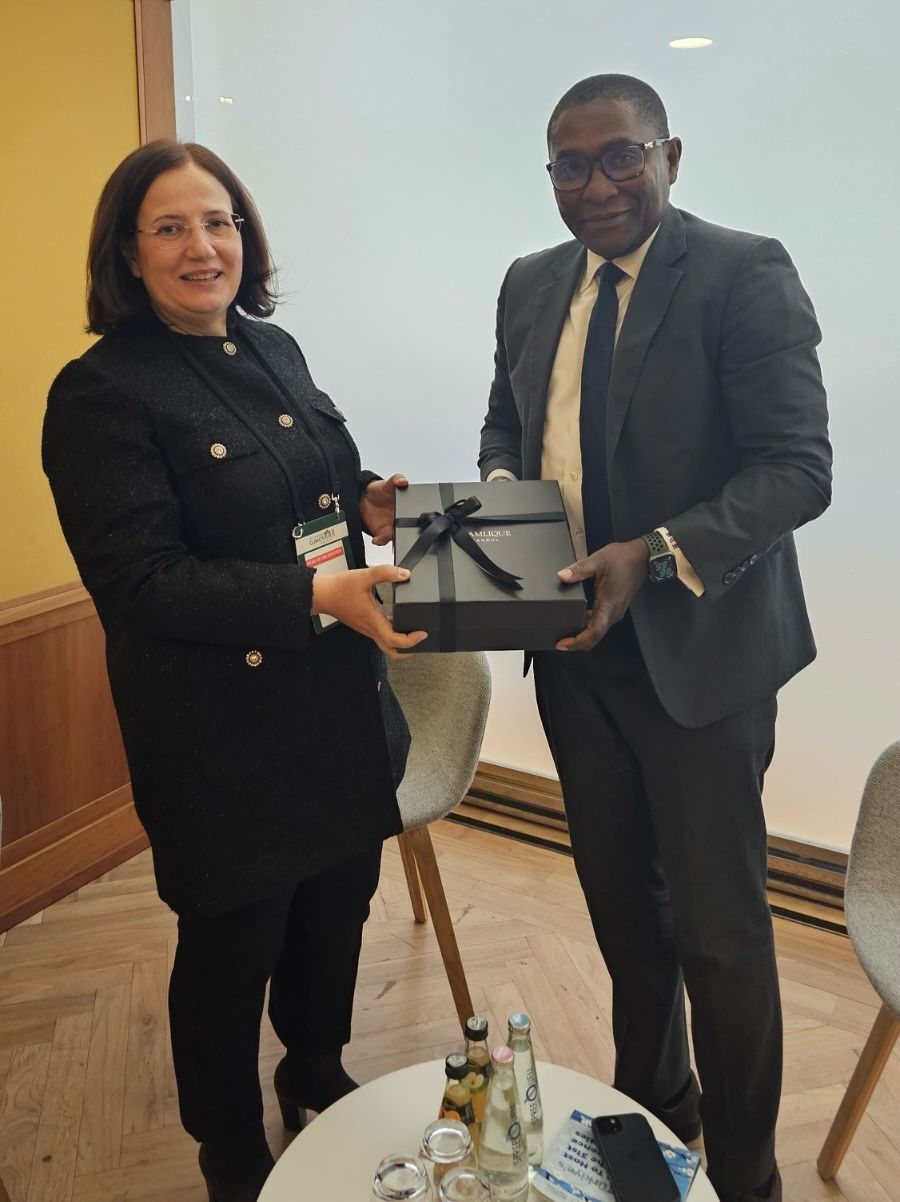
Deputy Minister Varank and the accompanying delegation also held bilateral meetings during their program in Berlin.