


A new online hub, "Climate Portal," has been launched to centralize Türkiye’s climate change mitigation and adaptation initiatives.



28 November 2024
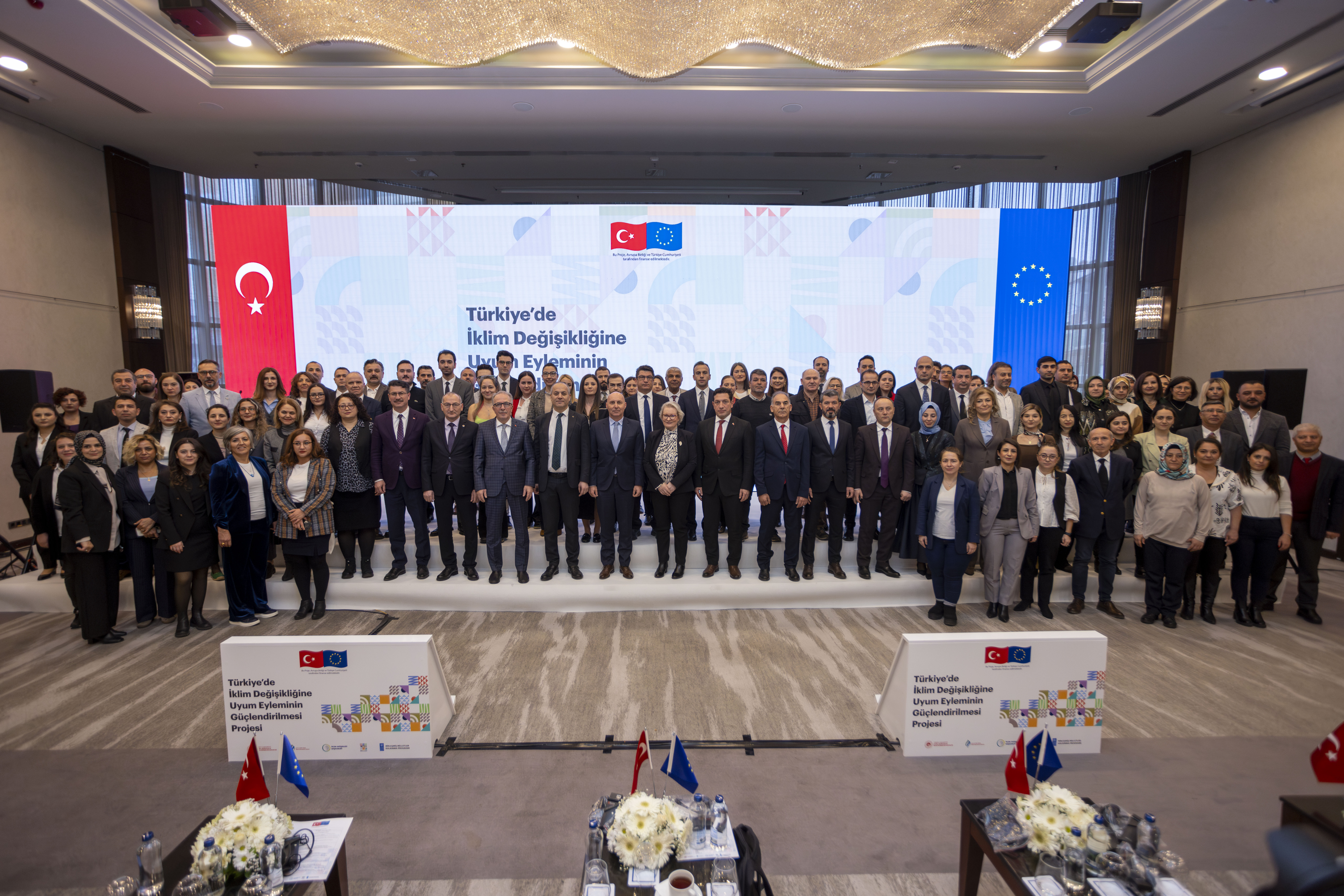
An introductory event was held in Ankara to debut the portal, which was developed through a partnership between the Ministry of Environment, Urbanization and Climate Change, the Directorate of Climate Change, and the United Nations Development Programme (UNDP) Türkiye. The platform is a key output of the "Enhancing Adaptation Action in Türkiye Project," funded by the Republic of Türkiye and the European Union.
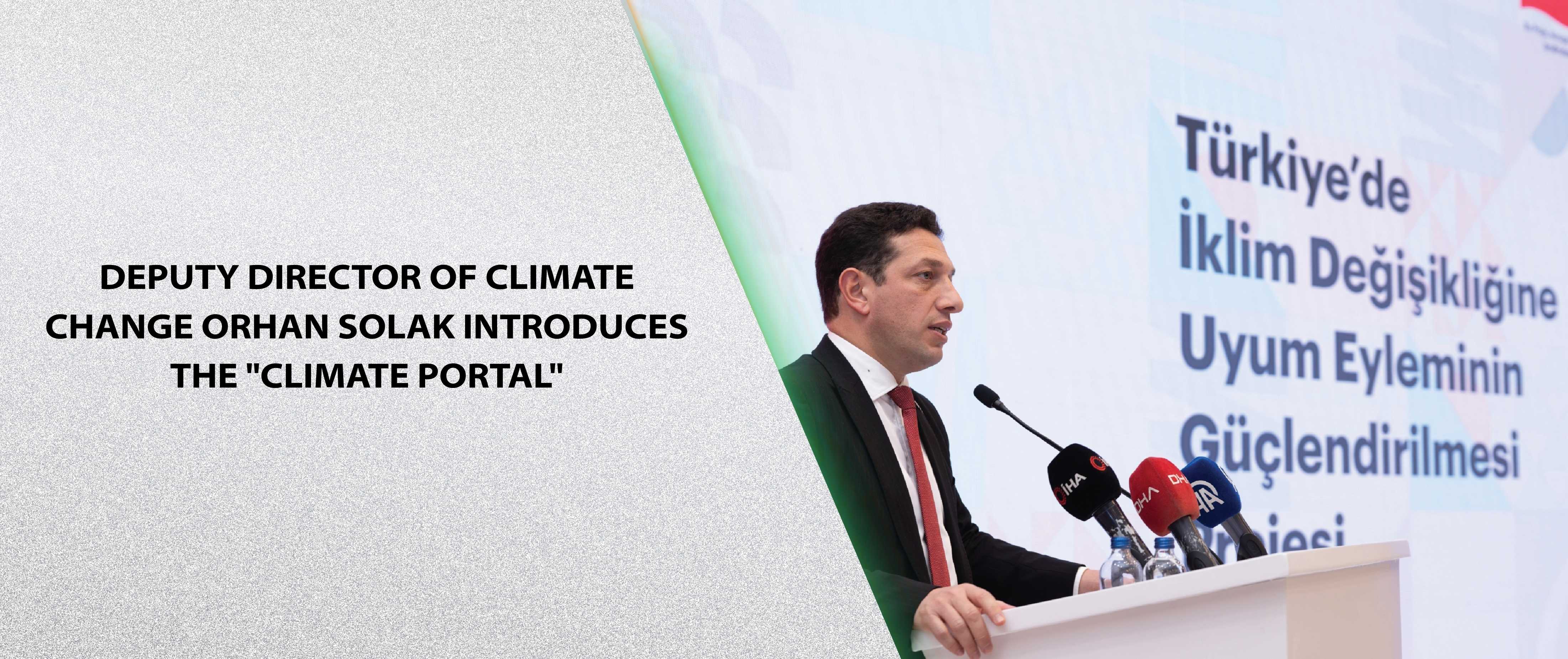

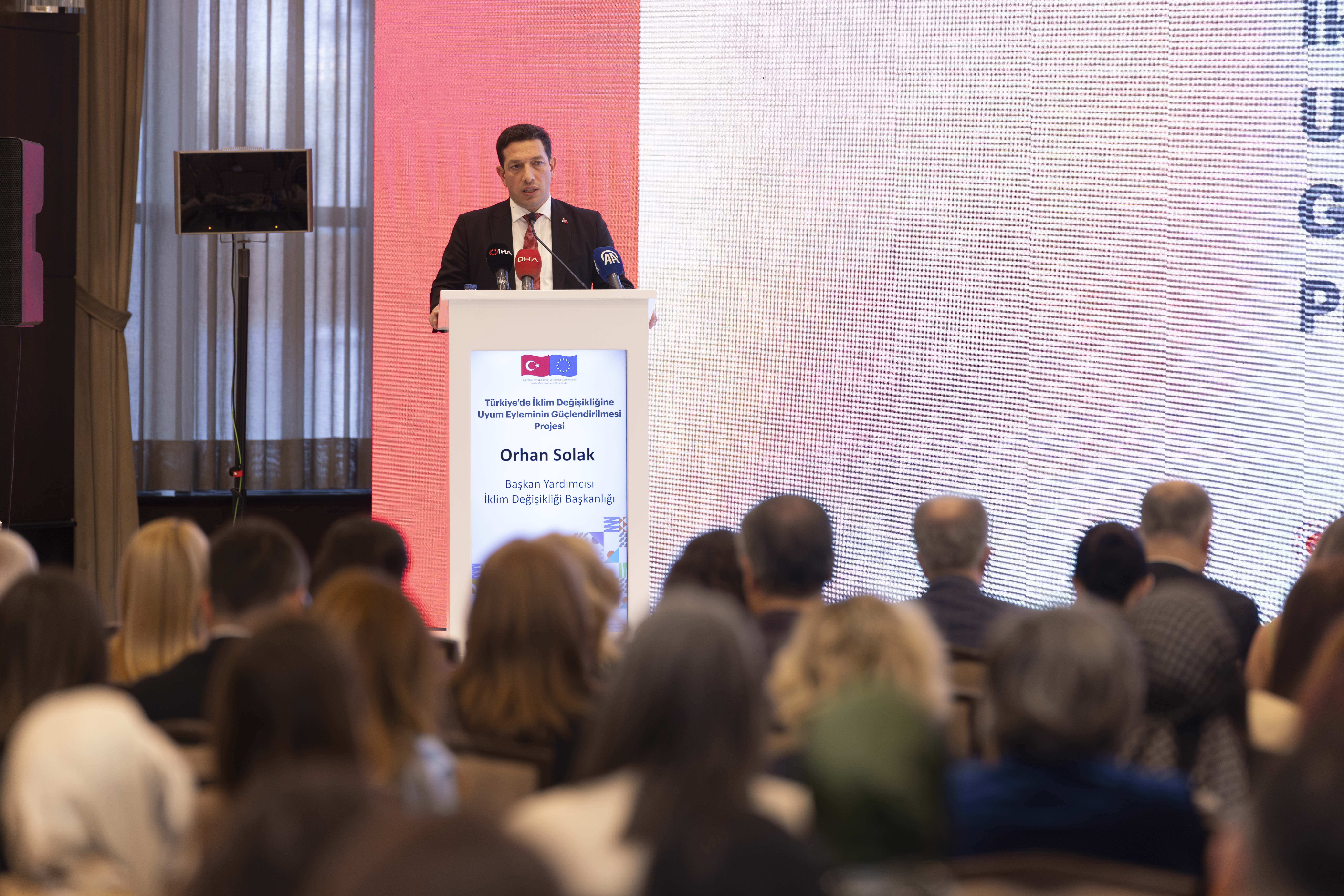
The launch event brought together Orhan Solak, Deputy Director of Climate Change; Miodrag Dragisic, UNDP Türkiye Deputy Resident Representative; and Virve Vimpari, Head of Green Development and Inclusive Growth of the EU Delegation.
During the event, Solak noted that the increasing frequency and severity of climate-related disasters pose a direct threat to both the world and Türkiye. "These disasters undermine our transportation, energy, and industrial infrastructure while imposing heavy environmental and socio-economic costs," Solak remarked.
"Addressing the climate crisis is now an absolute priority."
Solak noted that risks and threats are not limited solely to disasters, drawing attention to a wide range of challenges including the disruption of global supply chains, the narrowing of production areas, water and food crises, and even climate-induced migration.
In this context, Solak emphasized that nations, local governments, and industrial sectors alike must keep the fight against the climate crisis at the forefront of their planning tools, highlighting that accurate, up-to-date, and accessible data is of critical importance.
Noting that the portal was planned and developed as a vital instrument for Türkiye, Solak said: "We aim to ensure that data produced by the public sector, academia, and non-governmental organizations regarding climate change in Türkiye is shared through this platform in a validated, scientific, and current manner. This is essential for the accuracy and quality of the planning tools to be developed."
“We Will Publish the Results of Our Work via the Climate Portal”
Solak informed that the portal was designed as a Türkiye-specific initiative that takes into account the European Environment Agency’s "Climate-ADAPT" framework and the databases of its member states, adding that it will also be accessible through the e-Government (e-Devlet) gateway.
Expressing his gratitude to the public and private sectors, NGOs, and academia for the data they have provided to the Climate Portal, Solak continued:
"I would like to emphasize that regular data entry must continue for this platform to progress effectively.
Beyond serving as a database, we will provide the necessary tools for nature-based solutions, cost-benefit analyses, and the preparation of greenhouse gas inventories through this system.
Furthermore, as the Directorate of Climate Change, we will publish the results of our strategies, action plans, and climate projection studies via this Climate Portal."
Solak expressed his hope that the portal would serve as a key instrument in Türkiye's fight against climate change and provide an essential service to stakeholders through continuous updates and further development.
About the Portal
The Climate Portal is designed to establish a national climate change archive that supports informed decision-making and fosters public awareness. Providing an interface for monitoring, reporting, and sharing progress in climate action plans, the portal also enables the Ministry of Environment, Urbanization and Climate Change to track the progress achieved by various stakeholders and organizations. Through the portal, users can gain insights into Türkiye's climate change policies, national strategies, and action plans; stay informed about current national and international legislation and regulations; and access a wide range of research, reports, and training materials.
The portal also features detailed analyses of Türkiye's climate change data, including greenhouse gas emissions, temperature fluctuations, and precipitation rates.
This allows users to access and utilize data critical to combat climate change while fostering development through collaboration.
In addition, users can track all climate-related activities and events nationwide, such as projects, workshops, and training sessions, via an interactive map and calendar.