


-
07 March 2025
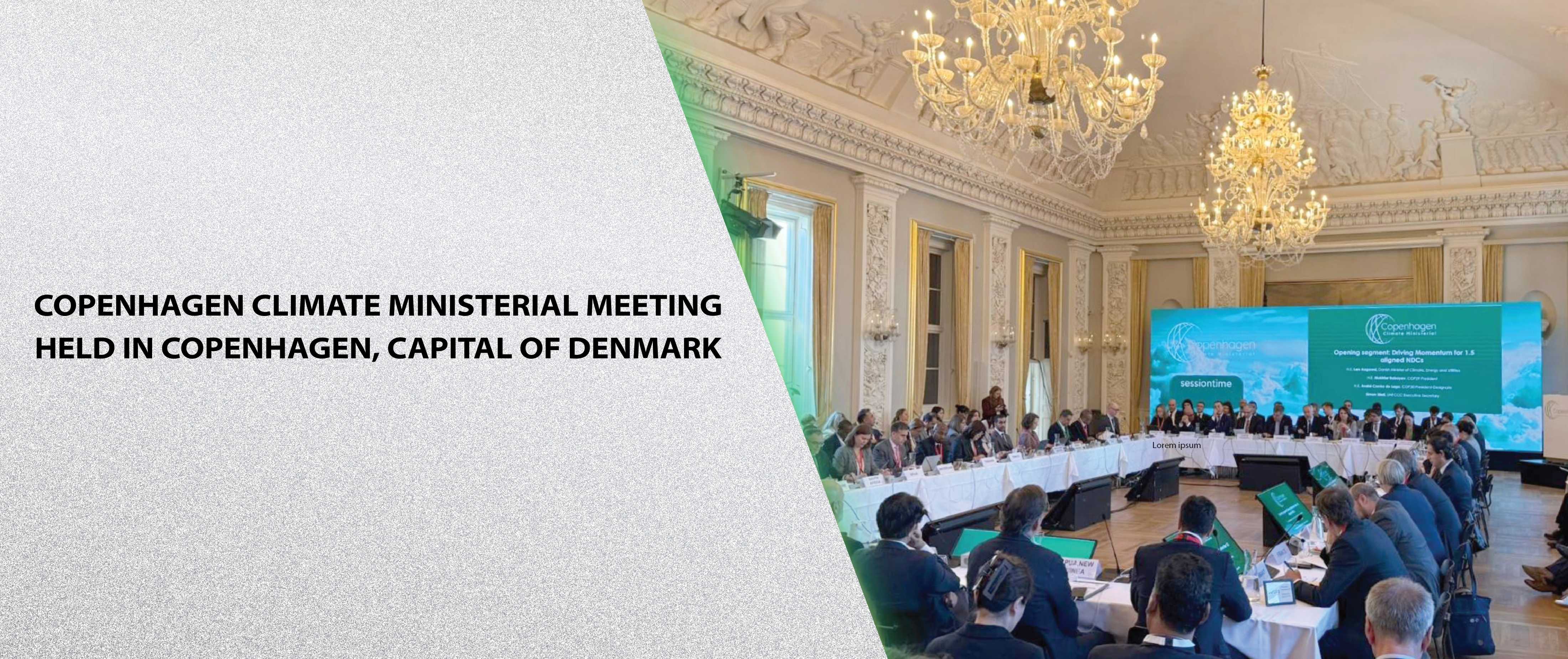
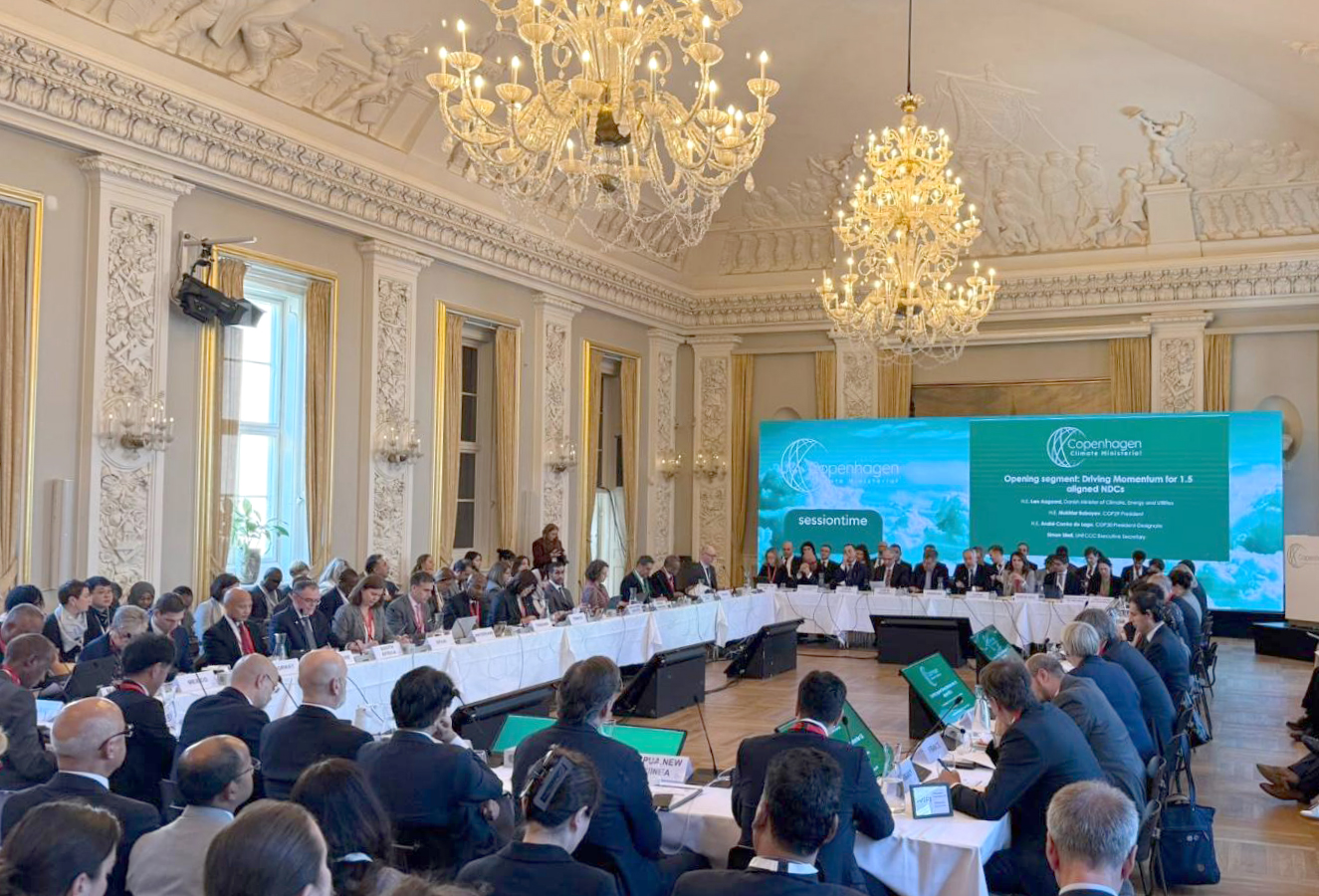
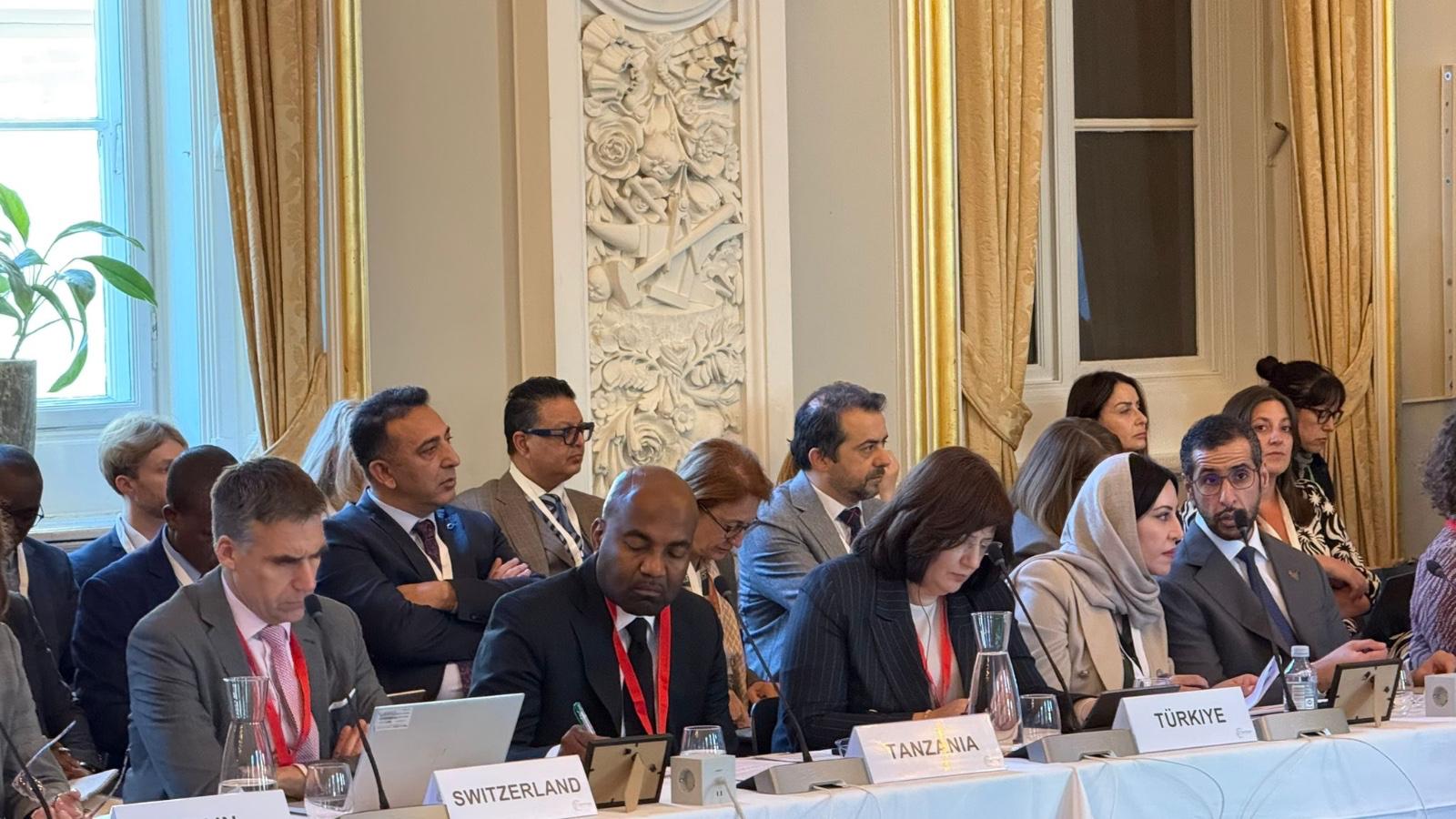
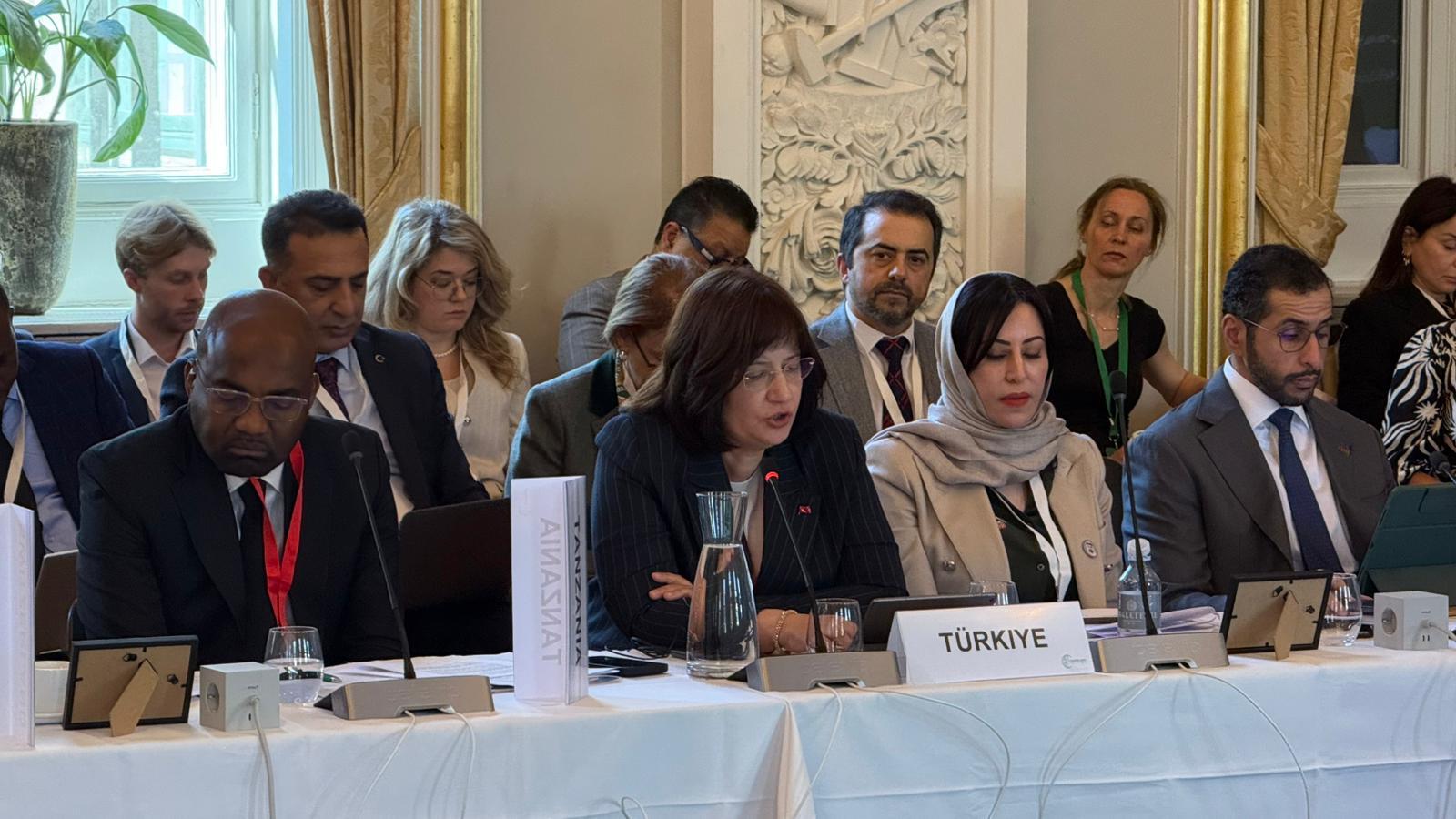
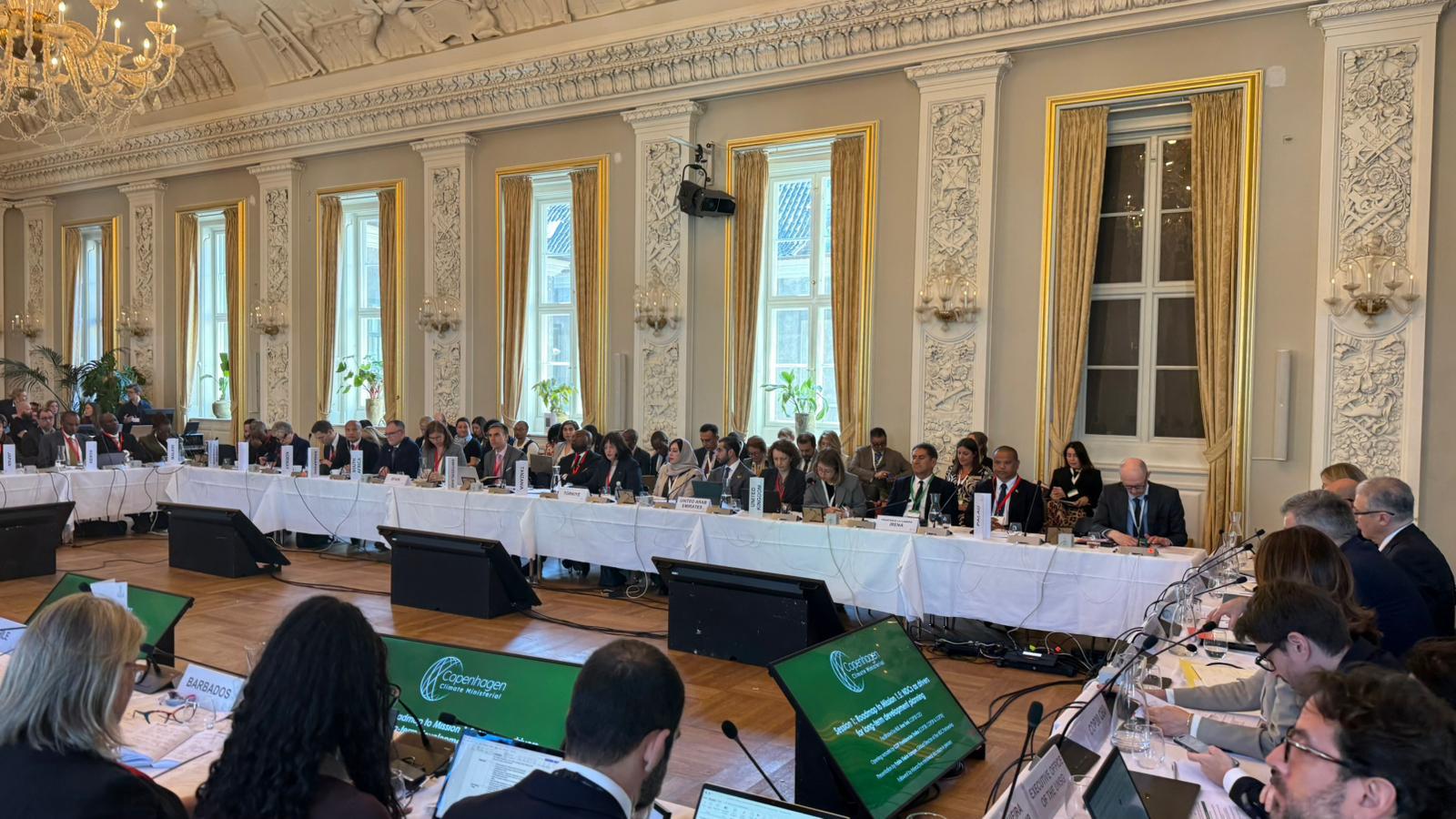
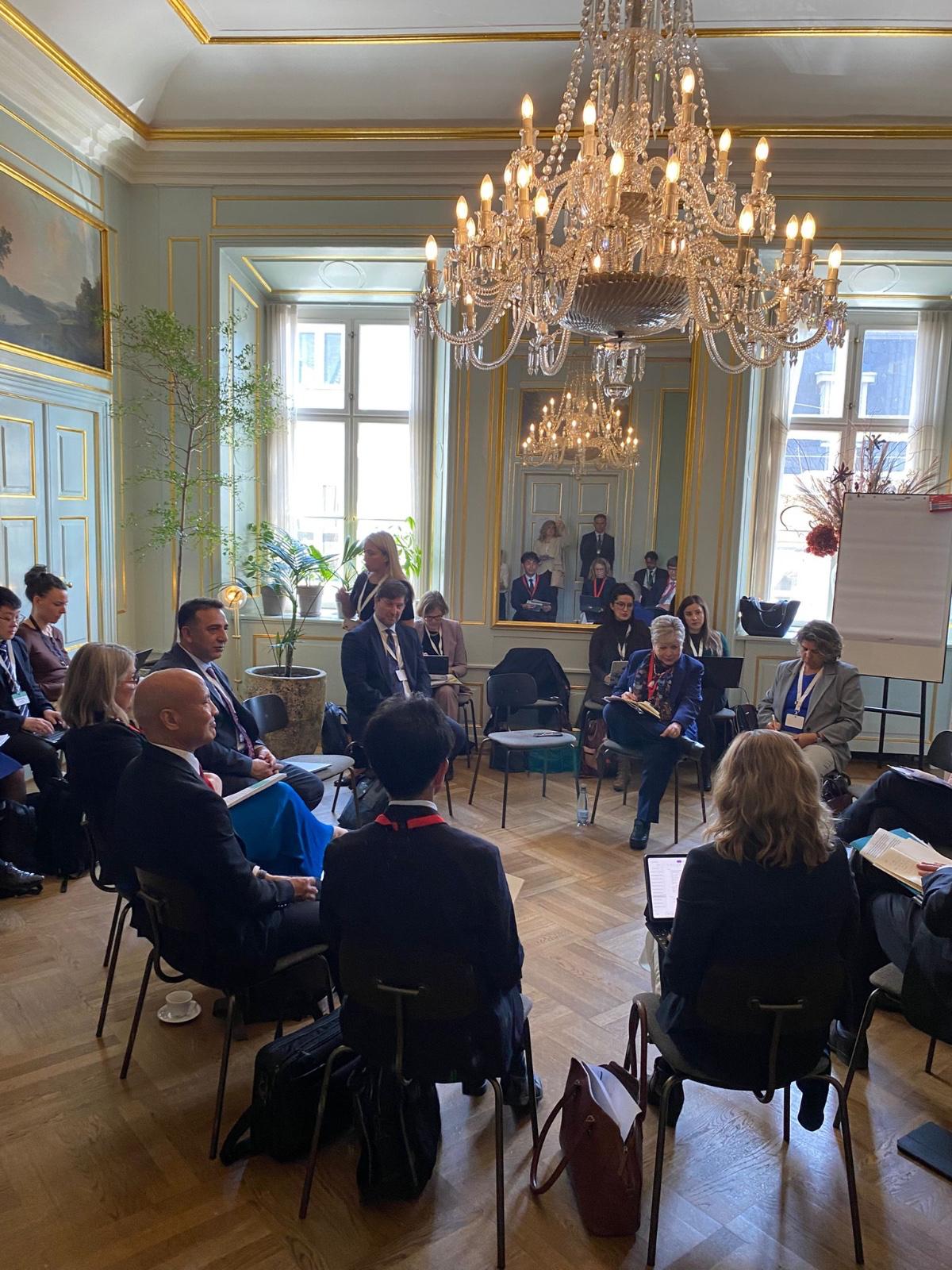
Held to reinvigorate climate action and to foster more ambitious commitments at the United Nations Climate Change Conference to take place later this year, the Copenhagen Climate Ministerial Meeting was attended on behalf of Türkiye by Deputy Minister of Environment, Urbanization, and Climate Change and Climate Change Chief Negotiator Fatma Varank and Director of Climate Change Prof. Halil Hasar.
At the meeting, which brought together approximately 40 ministers from around the world, sessions addressed topics such as “Just Transition Pathways to Achieve the Goals of the Paris Agreement,” “Aligning Financial Flows Through the Mobilization of Climate Finance,” “Multilevel Climate Action,” and “Strengthening Climate Change Adaptation and Resilience.”
Speaking at the two-day meeting, Deputy Minister Varank noted that the global climate agenda has reached a critical juncture where it must deliver transformative outcomes, stating, “Türkiye positions its NDCs not merely as a list of targets, but as the driving force of climate-compatible growth, and this approach represents a responsibility rather than a choice for us.”
Emphasizing that they consider the NDC as one of the core components of long-term development planning, Deputy Minister Varank said: “We seek to accelerate the energy transition, promote the shift to green technologies, increase efficiency in agriculture, expand the use of clean technologies in transport. We are designing our forthcoming NDC 3.0 not merely as a framework focused on economy-wide greenhouse gas reductions, but as an integrated and comprehensive structure that also embeds sector-specific development strategies. Through this document, we seek to accelerate the energy transition, promote the shift to green technologies in industry, increase efficiency in agriculture, expand the use of clean technologies in transport, and further entrench circular economy principles in waste management. All of these priorities are directly anchored in our country’s long-term development vision. In the NDC 3.0 period, the central issue is no longer only what we aim to achieve, but how we intend to deliver it. We are addressing this process through an integrated strategic framework that places sustainable development at its core. Within this framework, we ensure coordination across all climate policies through the Climate Change and Adaptation Coordination Board. Bringing together representatives of the public and private sectors, local administrations, the business community, and civil society, this Board stands as a cornerstone of our climate governance architecture.
“An enabling financial and institutional environment must be put in place to allow viable projects, aligned with countries’ economic conditions, to be implemented”
Bureaucratic procedures that are overly complex and that delay critical action must be streamlined and accelerated, while an enabling financial and institutional environment must be established to ensure that viable projects aligned with countries’ existing economic conditions can be brought to fruition. To facilitate this process, global financial resources must become more predictable, more accessible, and more closely aligned with the diverse development and climate needs of developing countries.
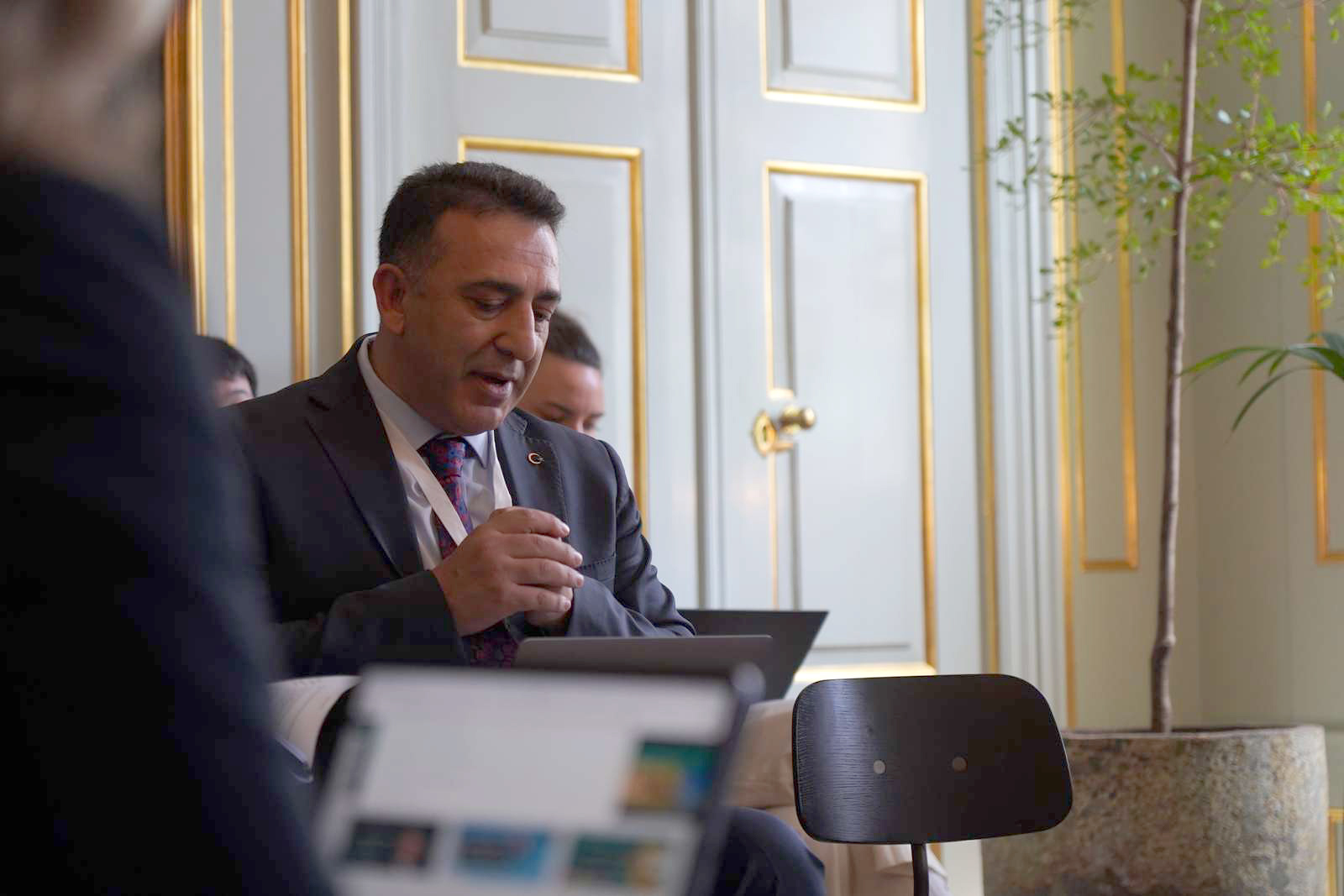
Director of Climate Change Hasar, who accompanied Deputy Minister Varank as part of Türkiye’s delegation, also delivered remarks during the session entitled “Just Transition Pathways to Achieve the Paris Agreement Goals.”
Emphasizing that just transition must encompass not only mitigation-related sectors but also adaptation-oriented areas such as agriculture and urban systems, Director Hasar said, “Every country needs to undertake adaptation actions to reduce the impacts of climate change. This is why, it is essential to address how sectors that include adaptation measures, such as agriculture and urban systems, will be affected by this process and how they will transform.”
Noting that the recent energy supply security challenges experienced in Europe have once again exposed existing vulnerabilities, Director Hasar stated, “These developments clearly demonstrate how well-founded our country’s concerns regarding energy security are, given our status as an energy-importing country.”
“Türkiye prioritizes the active participation of vulnerable groups in decision-making processes.”
When assessing just transition within mitigation actions, taking into account disparities in employment potential across different stages of renewable energy investments—from production to processing—will be critical to preventing potential inequities in this field.
Renewable energy should therefore be viewed not merely as electricity generation, but as an ecosystem encompassing its entire value chain.
As reflected in its own strategies and action plans, Türkiye underscores the importance of addressing the social impacts of decarbonization within the just transition process, with particular emphasis on workforce reskilling and upskilling, regional development measures, and the active participation of women and vulnerable groups in decision-making.
Likewise, as set out in its policy documents, Türkiye maintains that green and just transition should constitute a central pillar of employment strategies in other countries as well, and that these strategies should include concrete measures such as aligning education systems with labor market needs, equipping the workforce with new skills, and expanding employment opportunities in green sectors.
“COP30 is of critical importance for just transition”
The participation of women, who make up half of the population, in productive activities is critical to the success of the just transition. In addition to women, involving young people in this process will further unlock innovation and inclusive development.
Education and skills-development policies must form an integral part of just transition plans. Mobilizing the private sector should likewise be recognized as a key policy lever. We are pursuing intensive efforts to support the adaptation of SMEs to the transition, particularly through capacity-building, financial support, and improved access to technology. We view COP30 as an opportunity to secure a decision that fully reflects all of these critical considerations, and ensures that no one is left behind. Rather than advancing a one-size-fits-all decision, we should work toward a flexible outcome that can adapt to countries’ differing circumstances, while also taking into account the dialogues conducted to date.
On the second day of the meeting, sessions will address “Implementation of the Global Stocktake Outcomes” and “Strengthening Climate Change Adaptation and Resilience.”