


-
17 November 2025
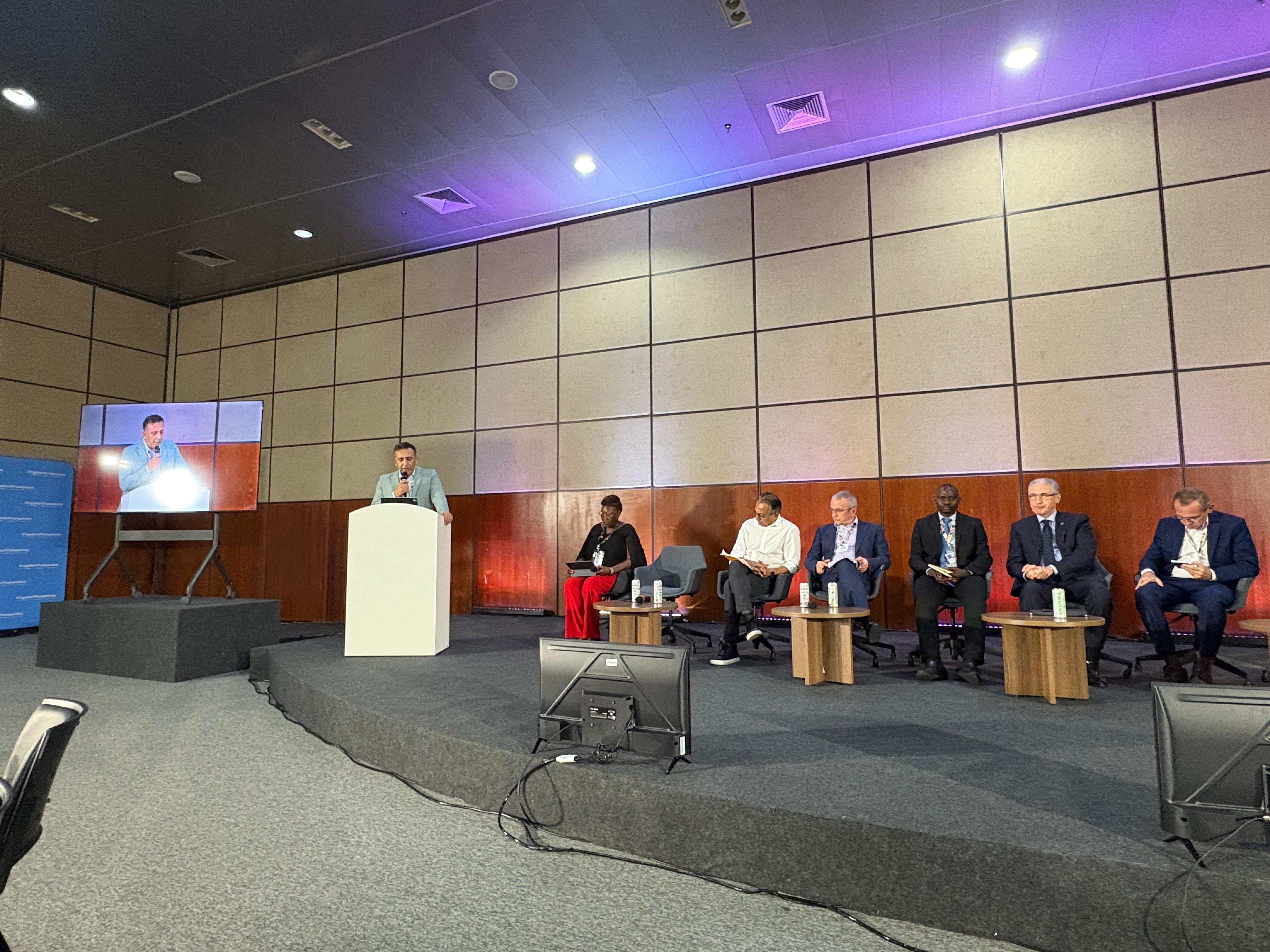
The international meetings held in Belém as part of COP30 continued with the session titled “Baku Continuity Coalition: A Roadmap for Housing and Climate Solutions.”
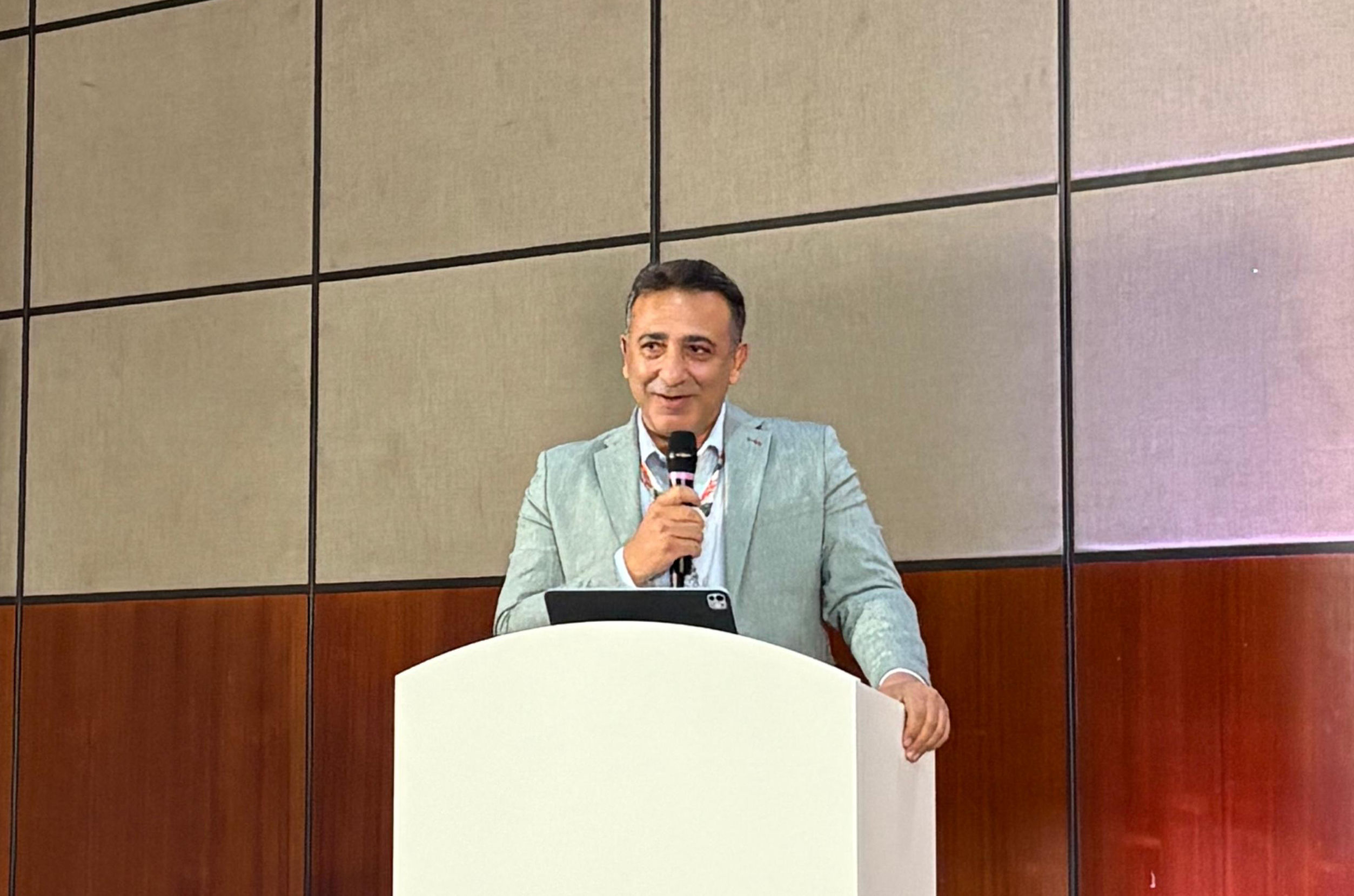
Prof. Halil Hasar, Director of Climate Change, represented Türkiye at the Baku Continuity Coalition meeting, where topics such as housing policies, combating climate change, and enhancing urban resilience were discussed.
The meeting highlighted that rapid population growth around the world, intensified urbanization, and increasing climate risks have pushed access to housing into a global crisis, and that low-income groups in many countries face significant obstacles in accessing adequate, safe, and sustainable housing. It was emphasized that housing policies should address not only shelter needs but also climate resilience, energy efficiency, and social equity.
A Strong Message from Türkiye
Speaking at the meeting, where housing and climate solutions were addressed as two interconnected and mutually reinforcing policy domains, Director Hasar underscored Türkiye’s housing policies, its urban transformation initiatives, and the critical role of the building industry in efforts to combat climate change.
Touching upon Türkiye’s 2053 Net-Zero Emissions target, the strategic importance of the building industry, leadership in urban transformation, and Nearly Zero-Energy Buildings (NZEB), Director Hasar made the following points:
“Türkiye implemented one of the largest urban transformation programs in the world.”
Türkiye has been advancing confidently toward its 2053 Net-Zero Emissions target, which forms the backbone of its long-term climate policy. The building stock accounts for one-third of energy consumption and 5 percent of national emissions. This makes the industry critical both for climate action and sustainable urbanization. Following the devastating earthquakes of 6 February, Türkiye launched a comprehensive reconstruction effort and initiated the transformation of 2 million independent units nationwide, implementing one of the largest urban transformation programs globally. With the Nearly Zero-Energy Buildings obligation introduced in 2025 for all new buildings above 2,000 square meters, 2 billion tons of CO?2;-equivalent emissions will be prevented over the next thirty years. Through the national green certification system YeS-TR, applications such as rainwater harvesting and gray water recycling aim to save 400 million cubic meters of water by 2053. Buildings play a central role not only due to their environmental impact but also in terms of economic efficiency, reduced energy costs, improved urban resilience, better quality of life, and increased social welfare.
The Baku Continuity Coalition meeting serves as a platform for discussing climate-focused housing policies at the global level and for strengthening cooperation among COP presidencies. The meeting featured a multi-stakeholder roadmap discussion on global housing challenges and climate solutions, with participation from the UNFCCC, UN-Habitat, UNEP, UNIDO, AIIB, the World Bank, and ministers and high-level representatives from various countries.