


-
22 October 2025
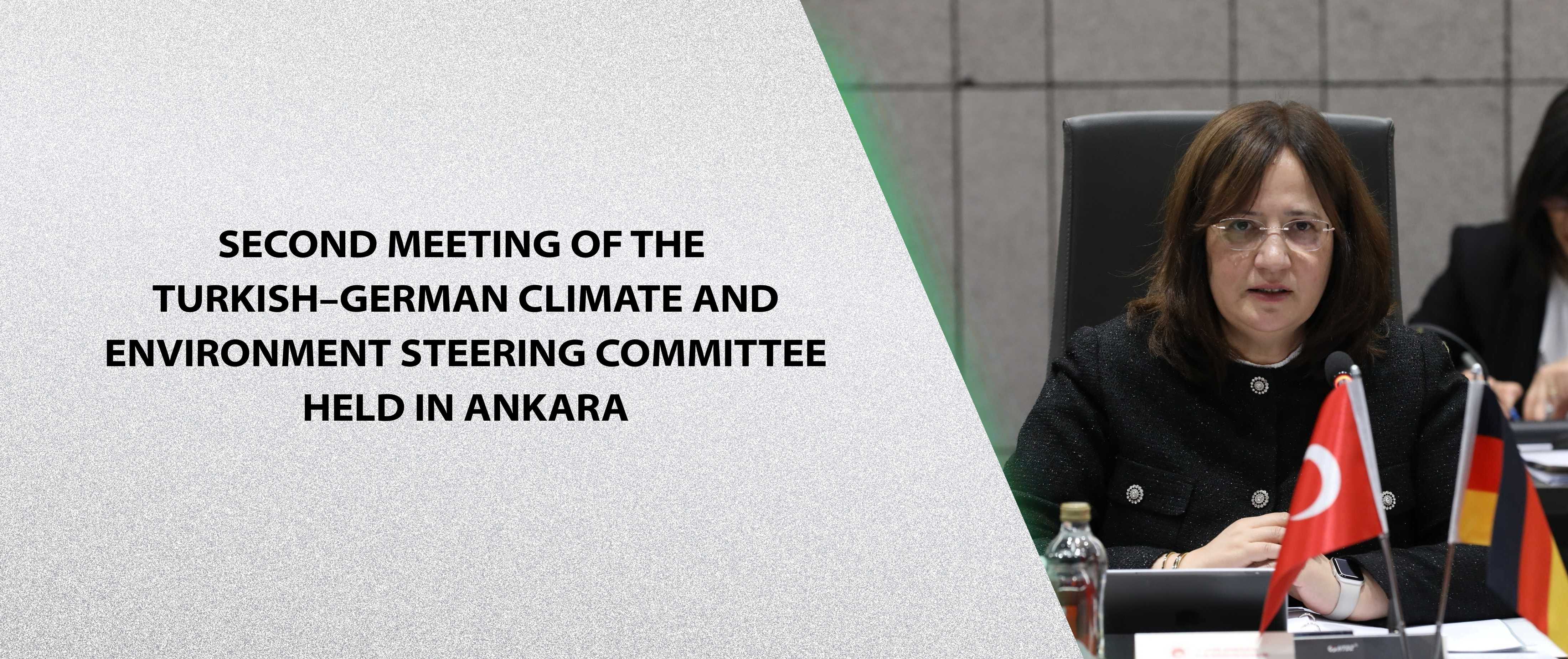
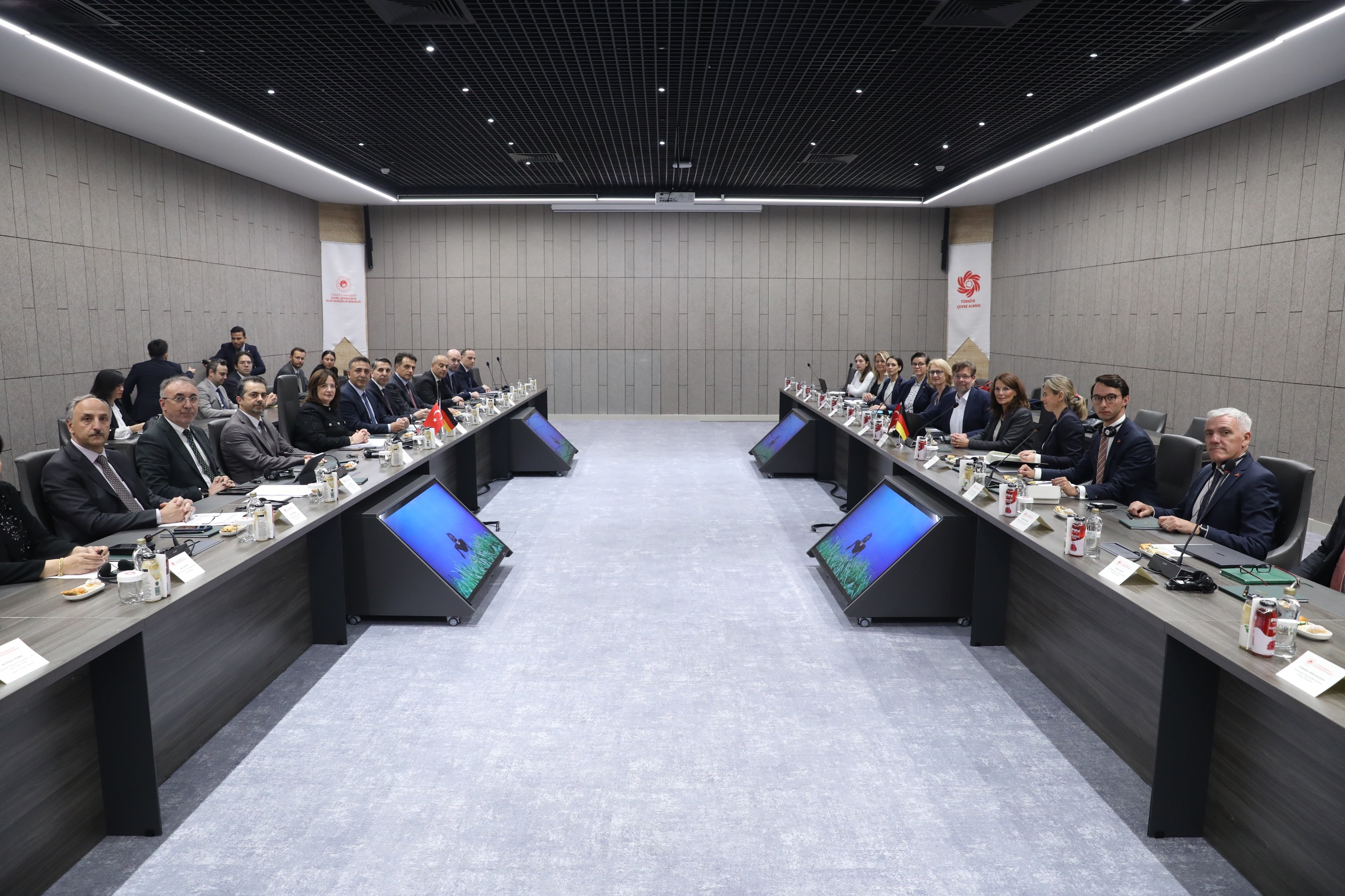
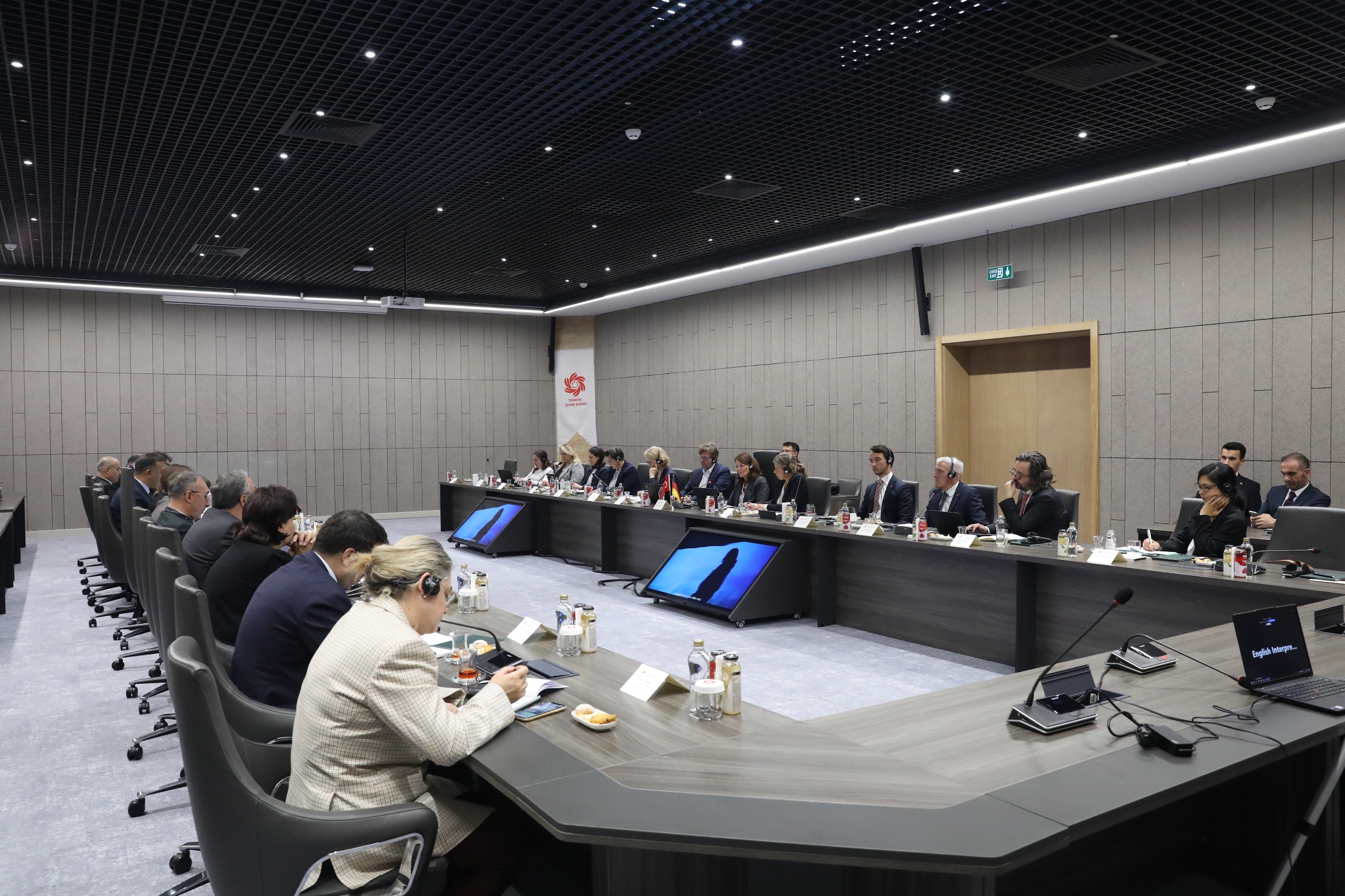
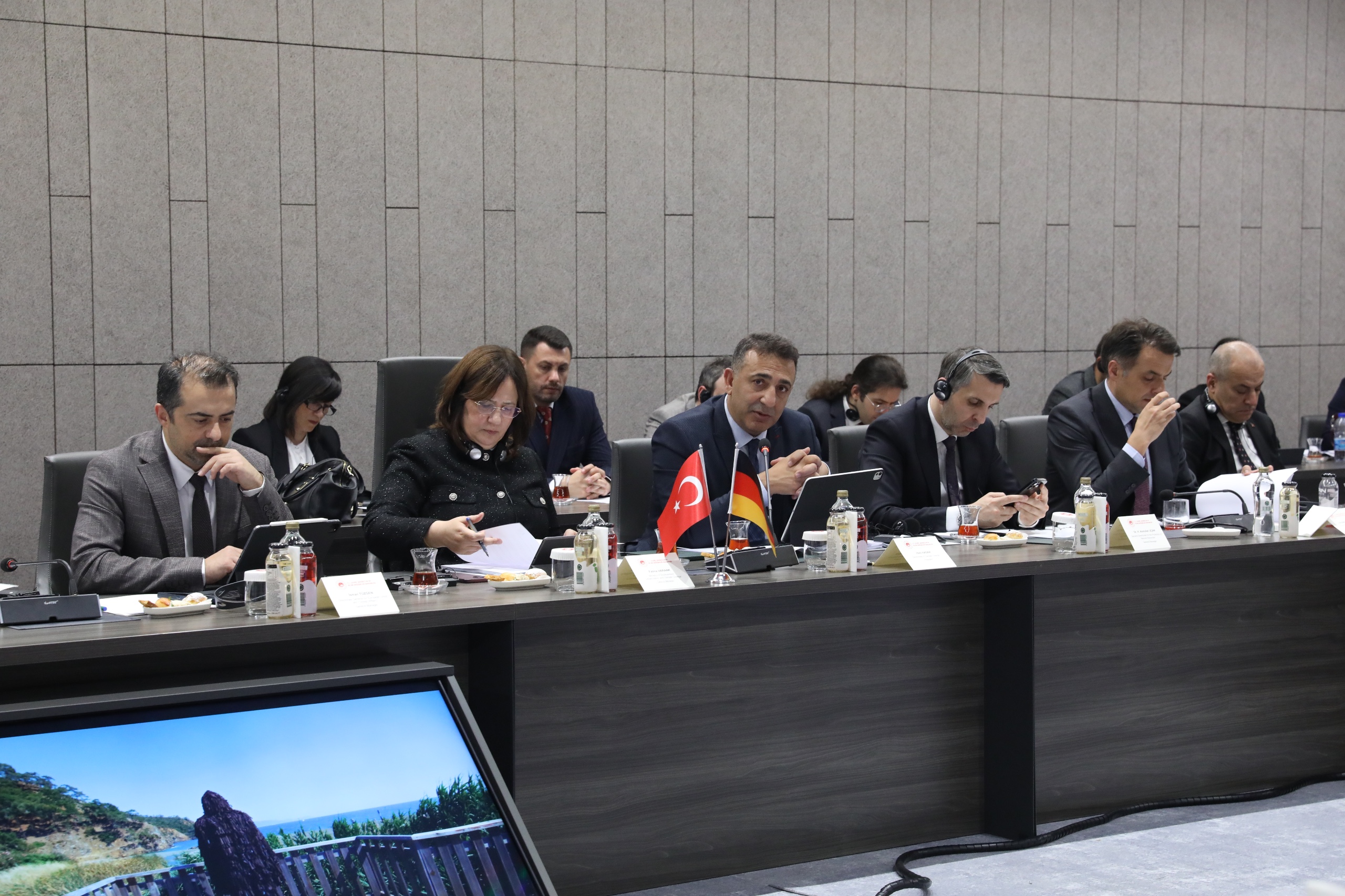
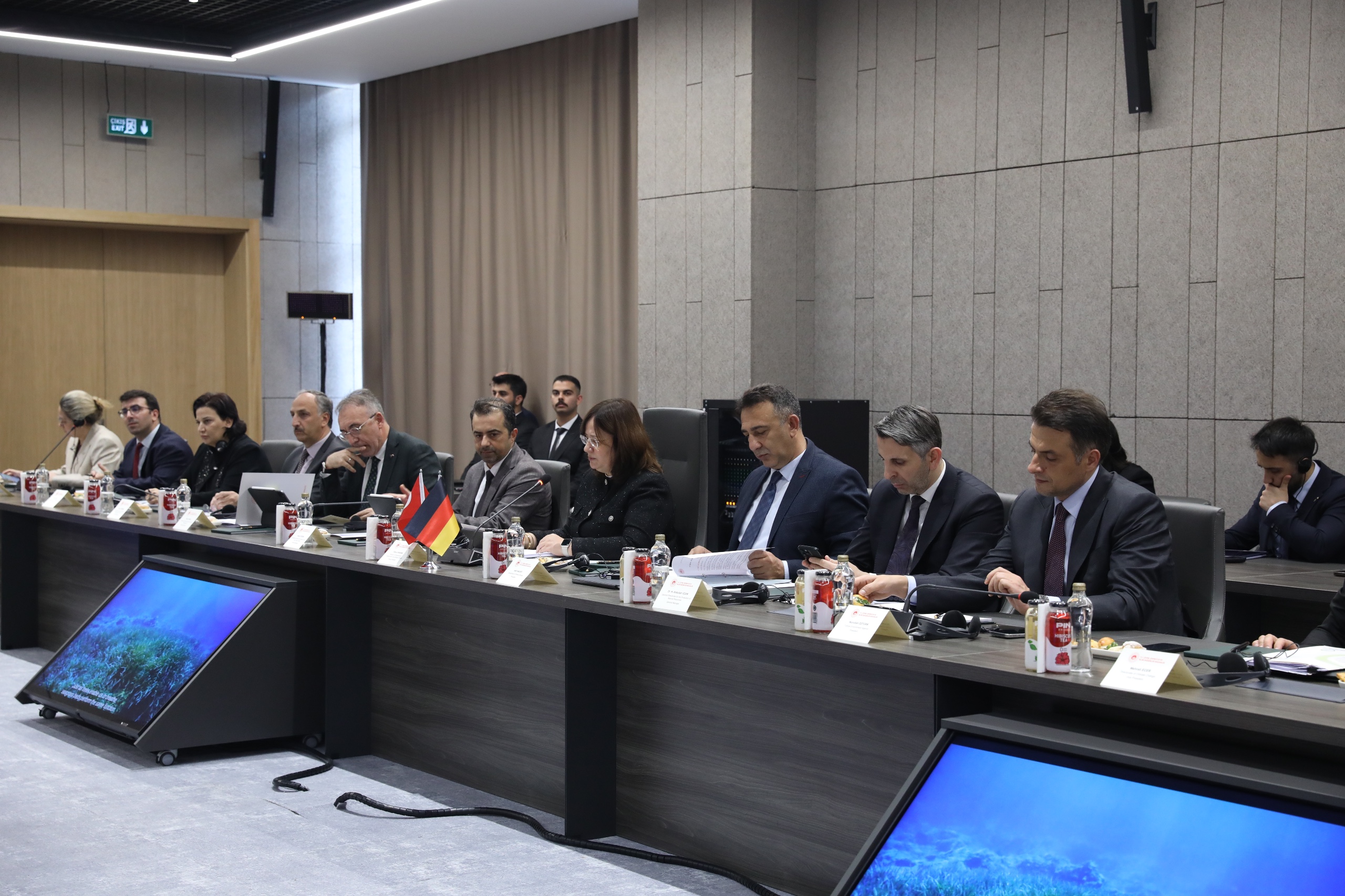
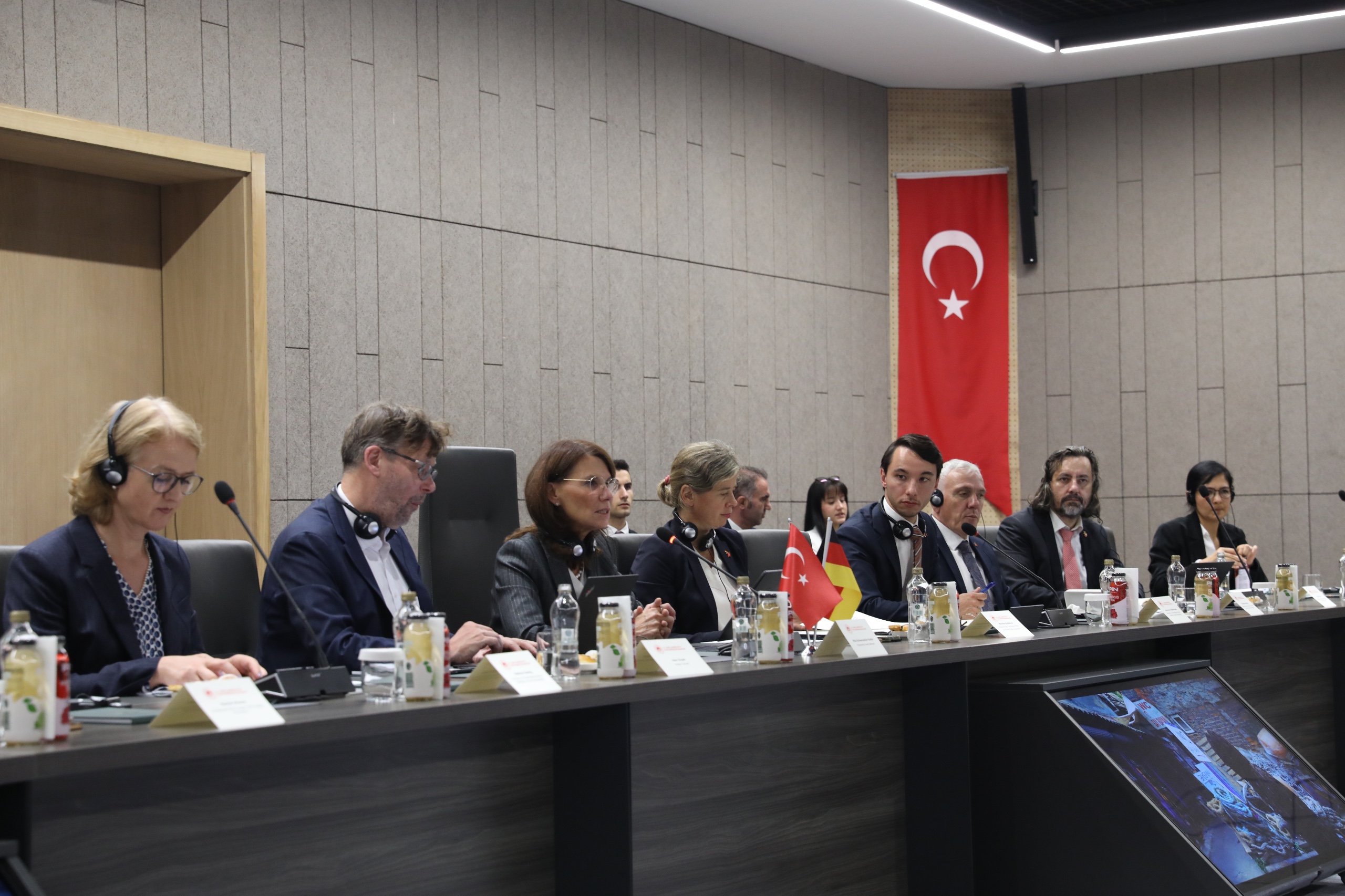
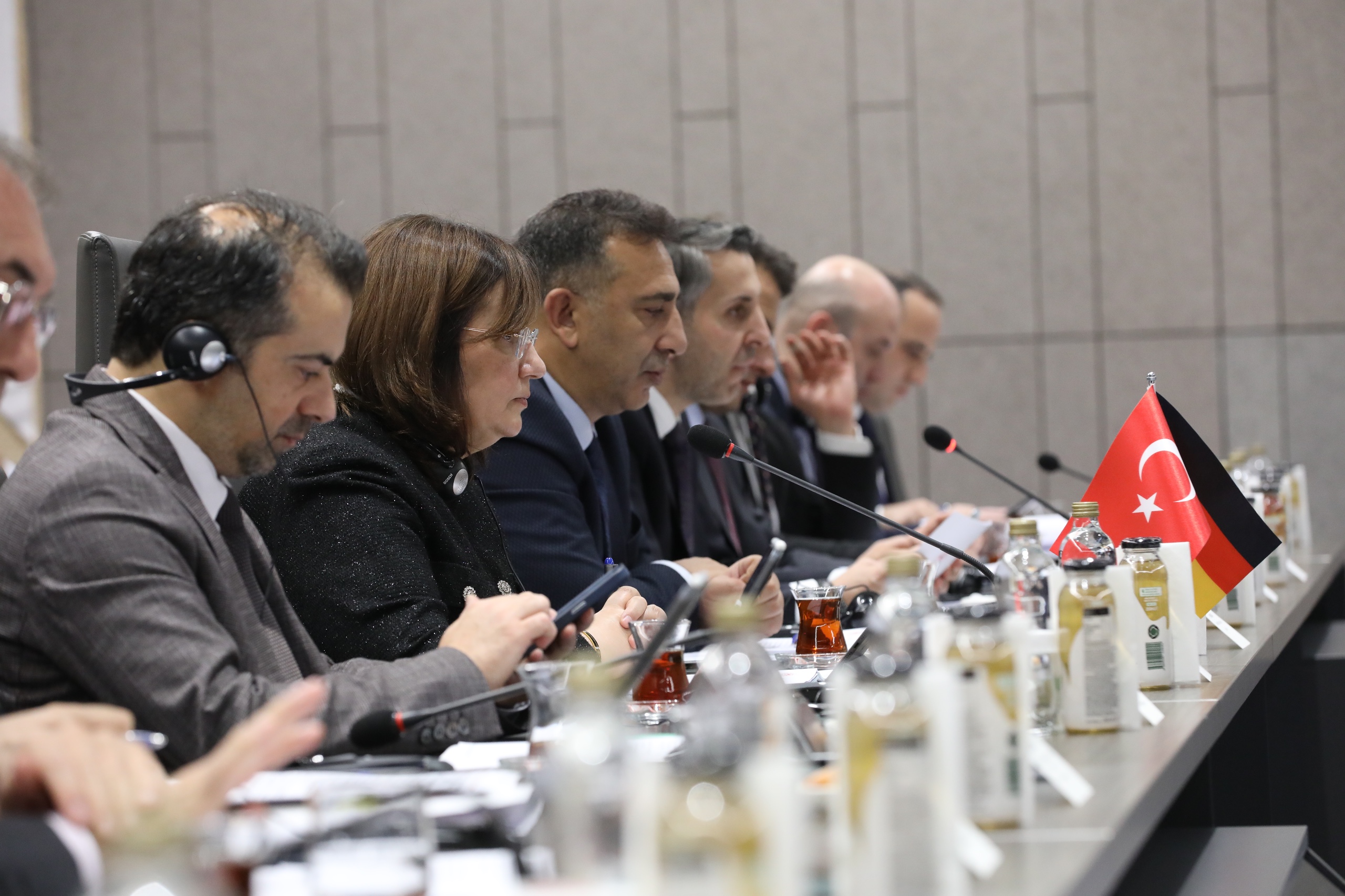
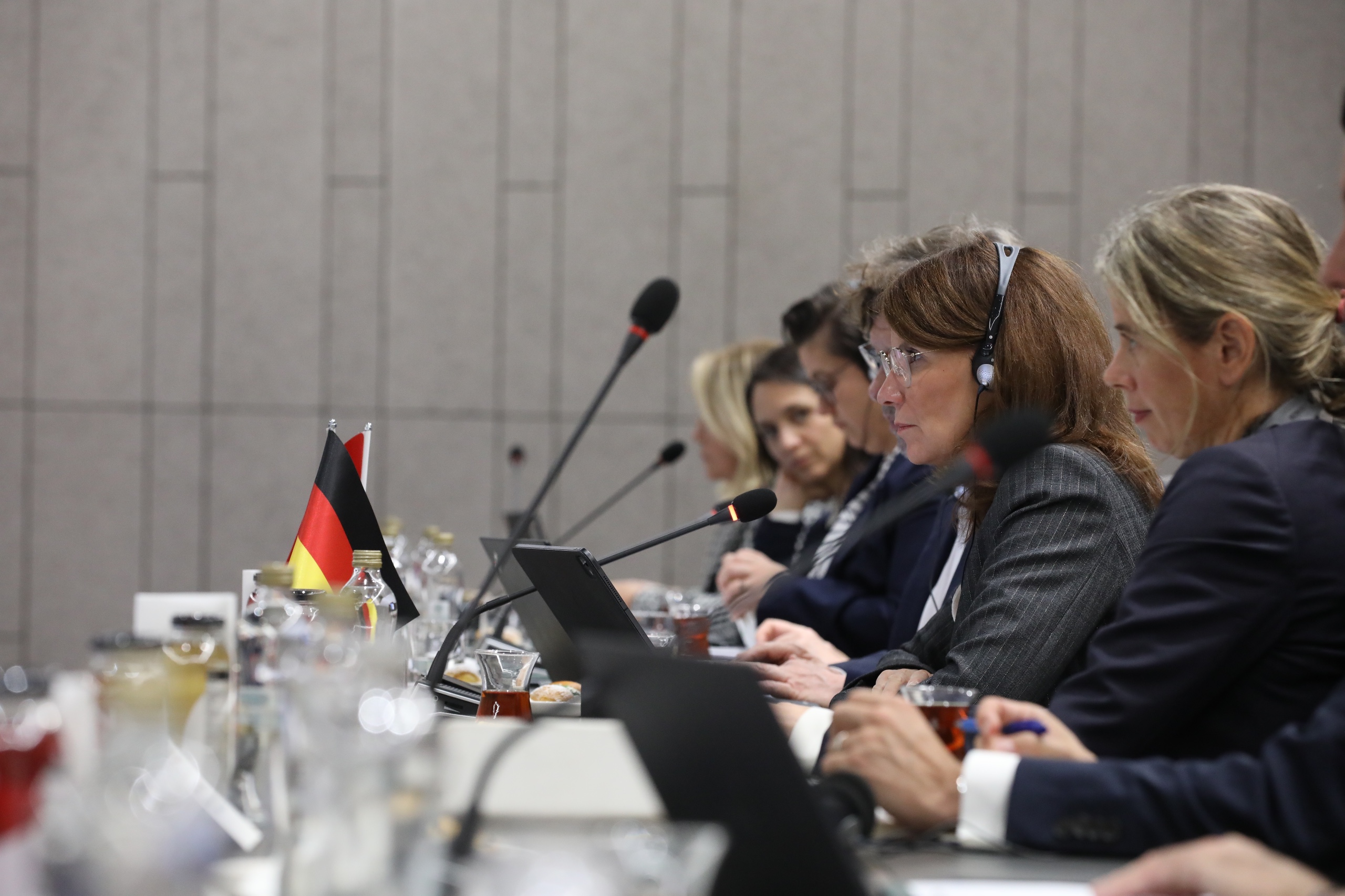
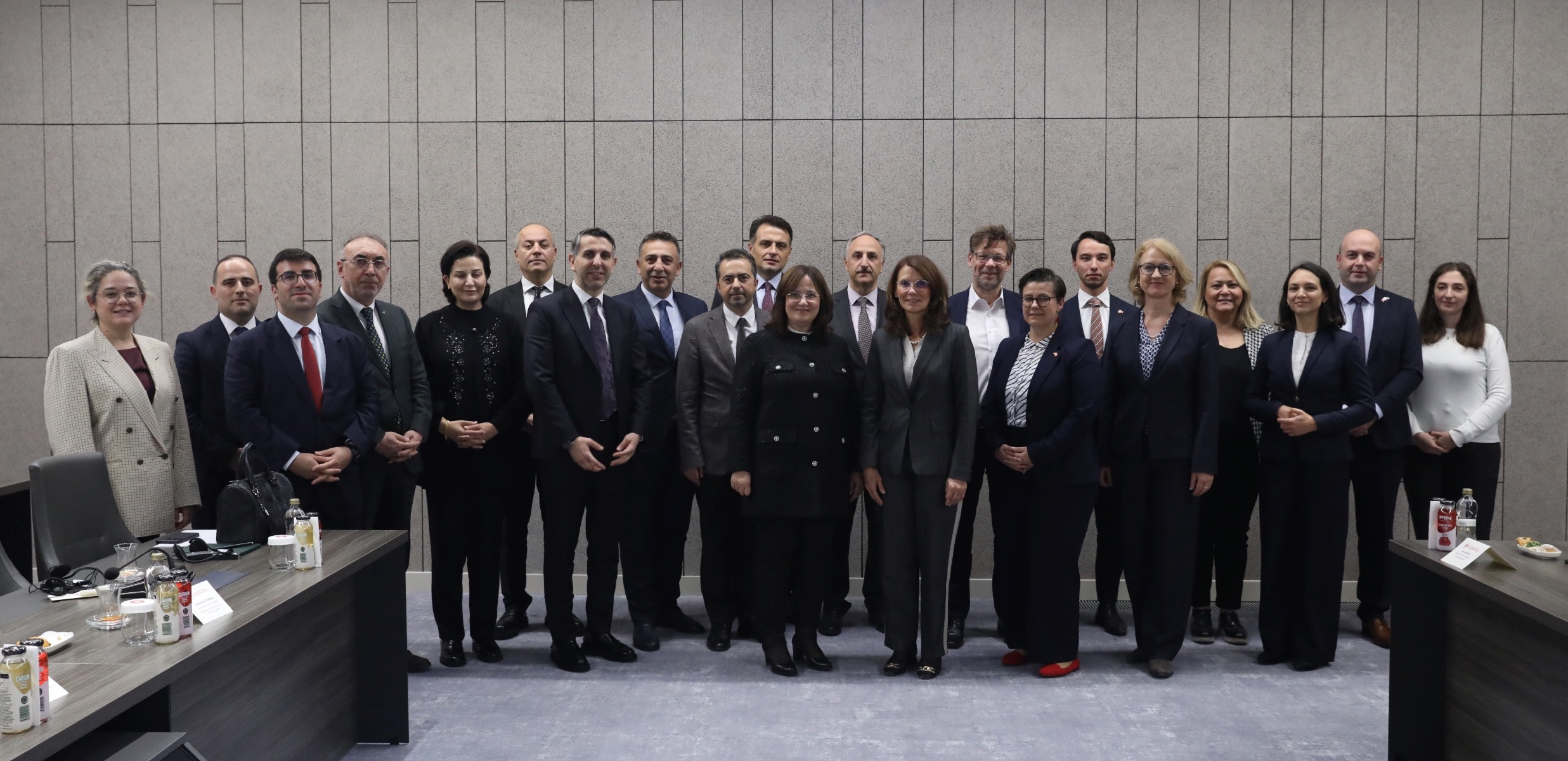
Established under a memorandum of understanding signed between the Ministry of Environment, Urbanization and Climate Change of Türkiye and the German Federal Ministry for Economic Affairs and Climate Action, the Turkish-German Climate and Environment Steering Committee (KUMLA) held its second meeting in Ankara.
The meetings, the first of which was held in Berlin last year, aim to steadily scale up climate and environmental protection policies in both countries and align them with the 1.5-degree target.
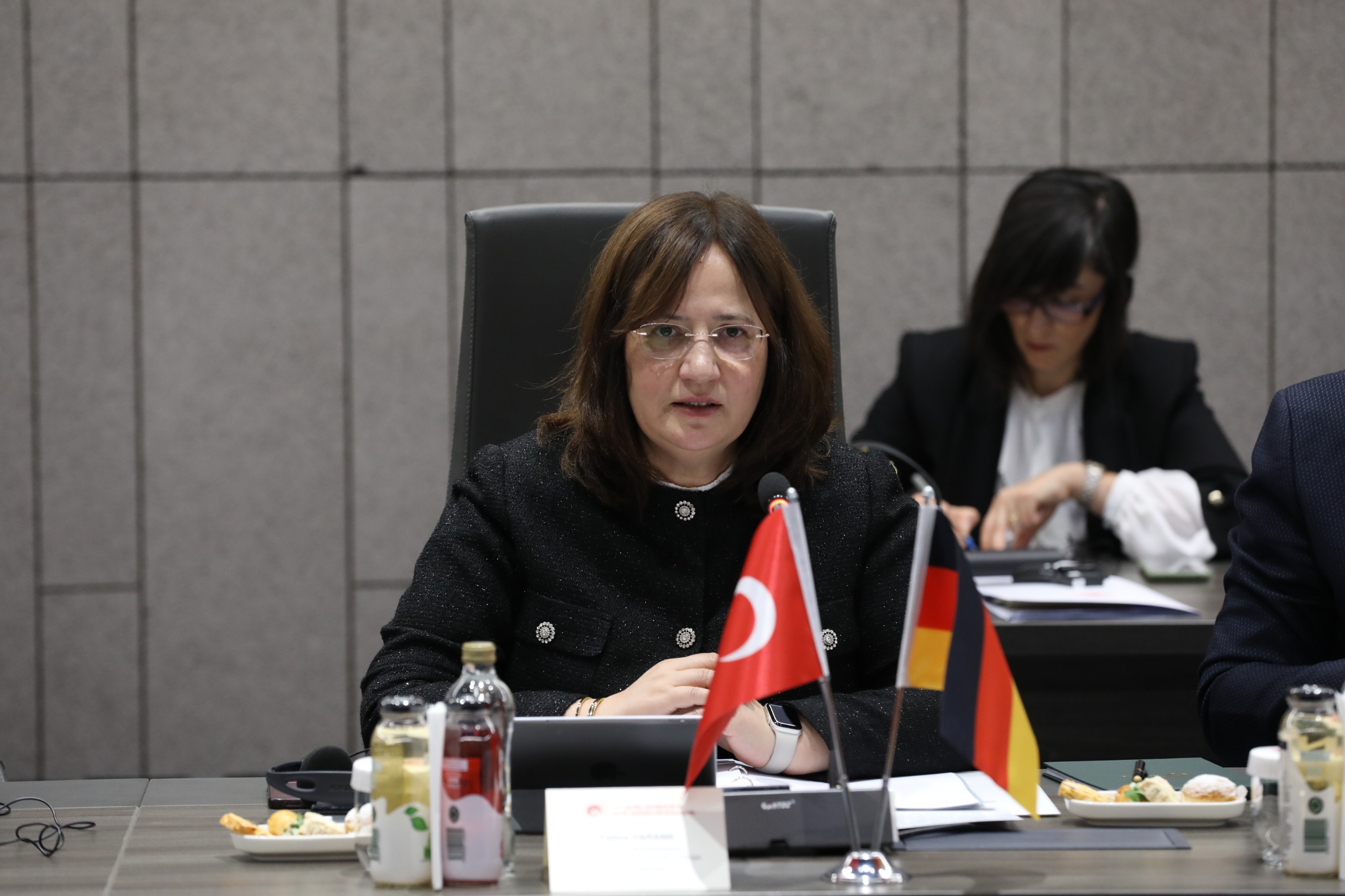
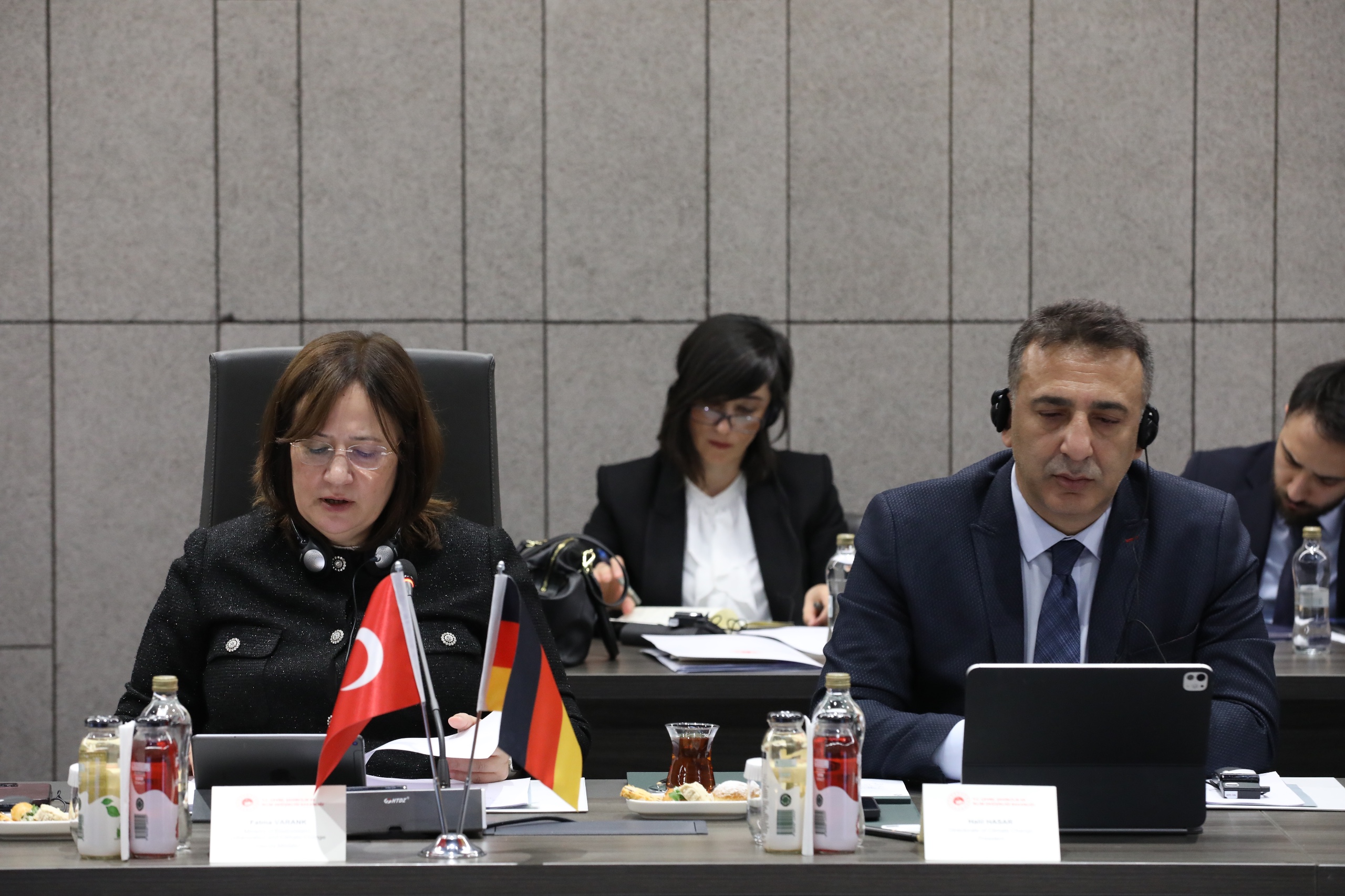
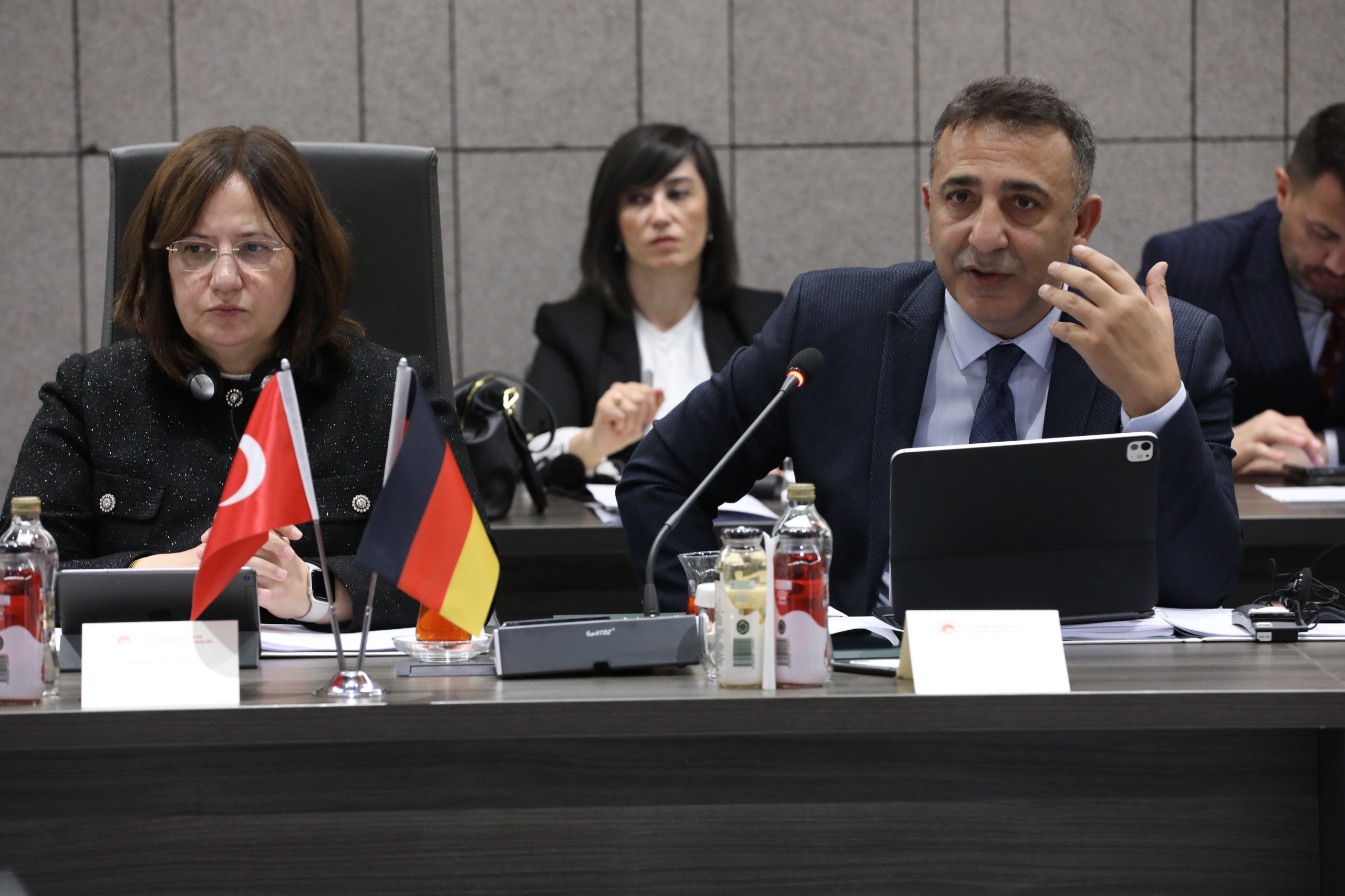
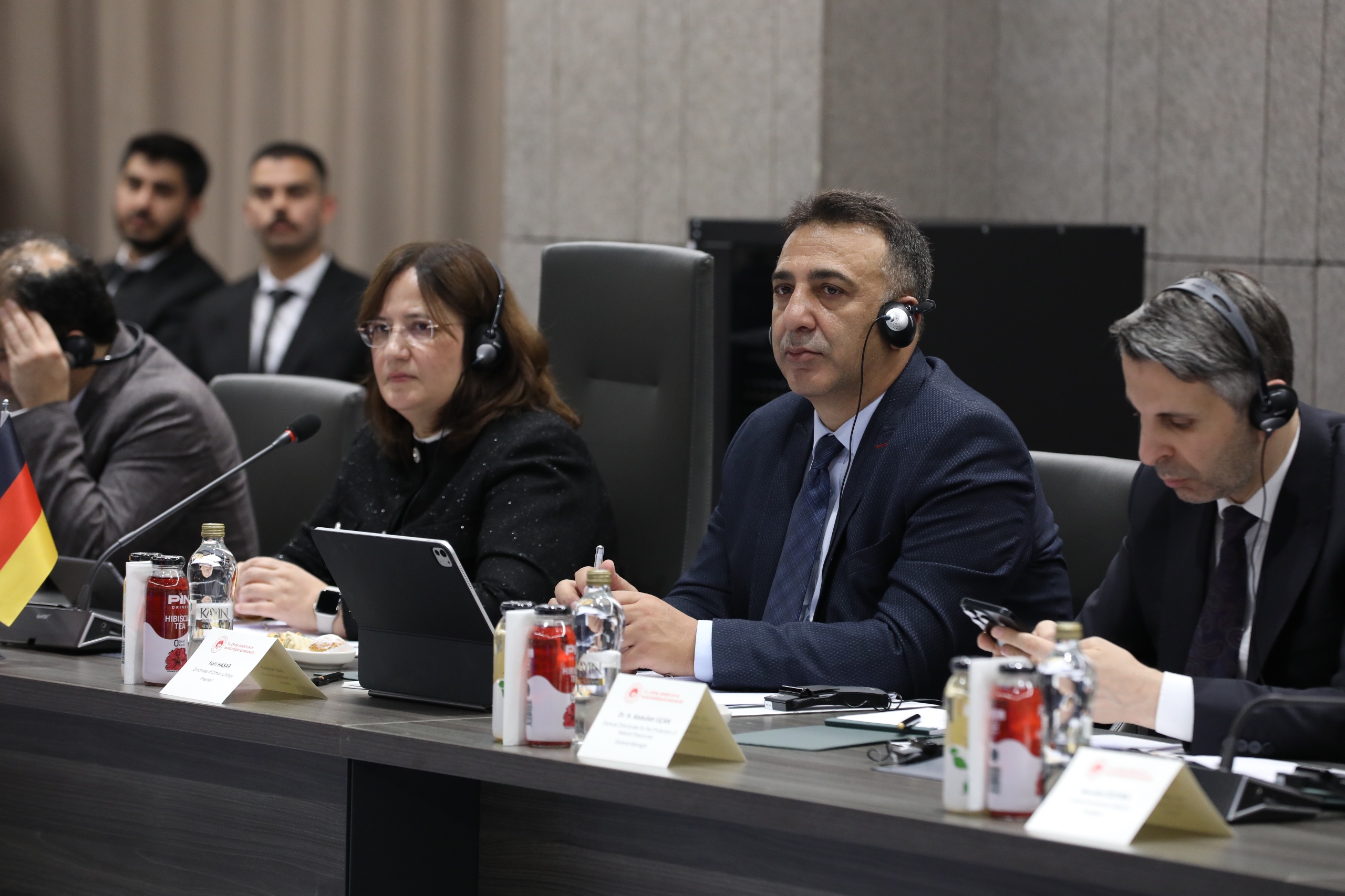
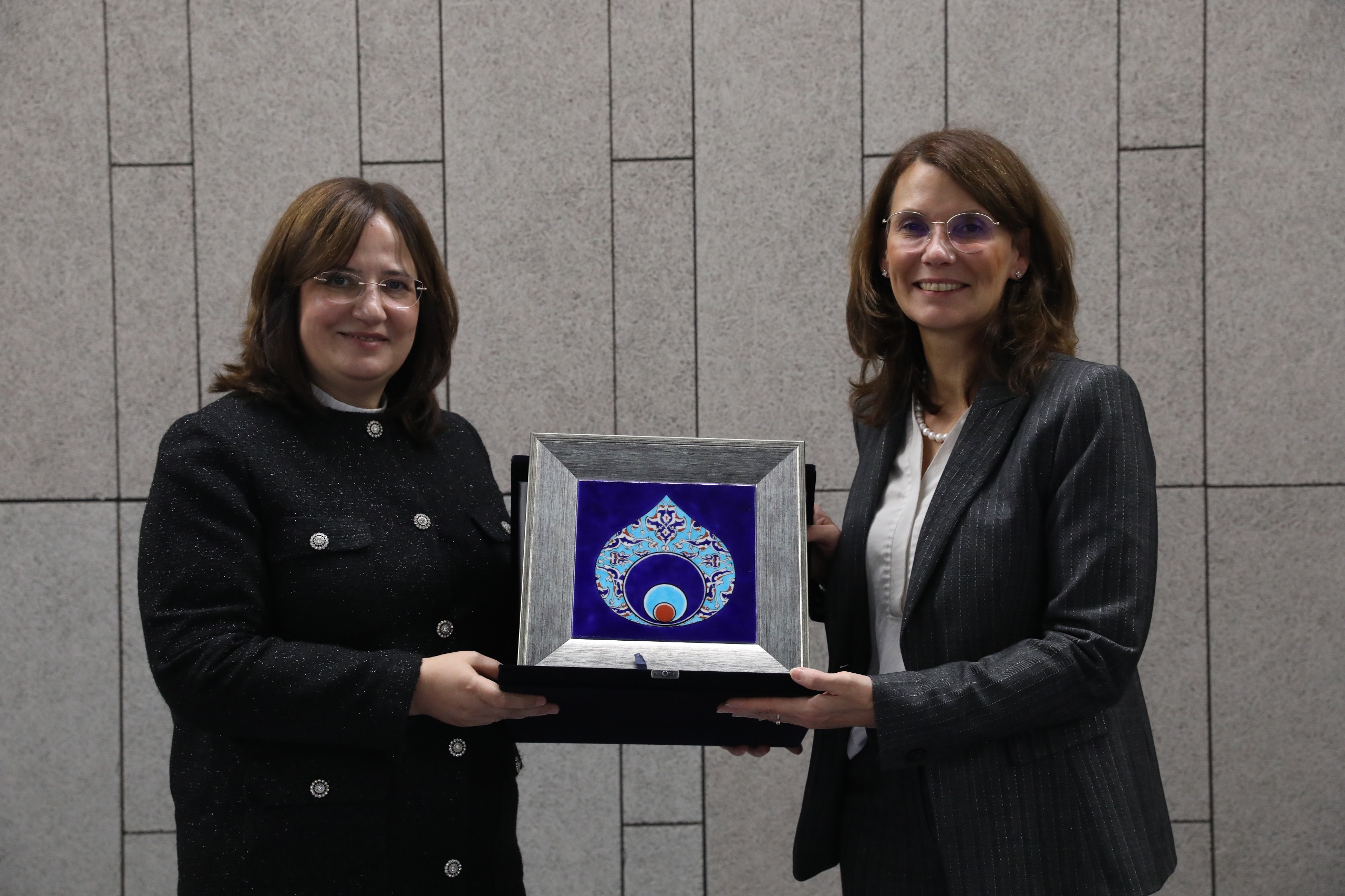
The high-level second session of the meeting, which took place in two sessions, was attended by Deputy Minister of Environment, Urbanization and Climate Change Fatma Varank and Parliamentary State Secretary of Germany Rita Schwarzelühr-Sutter.
During the delegation-level discussions, the agenda items titled “Policy Priorities of Türkiye and Germany in the Fields of Climate, Environment, and Biodiversity Action” and “Cooperation Priorities in Climate and Biodiversity Action” were examined in depth.
Delivering the opening remarks of the session, Deputy Minister Varank underscored the essential nature of the cooperation between Türkiye and Germany. “We believe that we should make greater use of the strong economic and trade cooperation potential between our countries, and we also attach great importance to this cooperation in terms of advancing Türkiye–EU relations,” she said.
“Germany stands out globally as a model country in environmental protection and climate change mitigation. Its innovative policies, advanced technologies, and firm commitment to sustainability clearly demonstrate Germany’s success in delivering environmentally friendly solutions.”
Emphasizing Türkiye’s determined stance in combating climate change, Deputy Minister Varank made the following remarks:
In line with our 2053 Net Zero target announced after the Paris Agreement, we upgraded our NDC target to level A in 2023, published our Climate Mitigation and Adaptation Strategy and Action Plans for 2024–2030, and announced our Long-Term Climate Strategy and Biennial Transparency Report at COP29.
Moreover, the Climate Law, which is one of the most significant legal regulations in our country, was adopted by the Grand National Assembly of Türkiye and entered into force in July this year.
With the Climate Law adopted in July 2025, we have consolidated the institutional framework for emissions trading, green taxonomy, the circular economy, clean technologies, and the protection of carbon sinks.
Our Climate Law assigns responsibilities to relevant organizations for emissions reduction and climate change adaptation activities and mandates the preparation of integrated climate action plans by local governments. We will submit our Second Nationally Determined Contribution to the United Nations prior to COP30. We continue to translate this determined stance into tangible outcomes through Turkish–German cooperation projects.
This cooperation reinforces the commitment of both countries to achieving shared objectives and enables concrete steps to be taken in the name of environmental sustainability.
Director of Climate Change Hasar: “IKI projects will continue on a long-term and productive basis”
During the inter-delegation meeting, Director of Climate Change Prof. Halil Hasar outlined the efforts to combat climate change and expressed his confidence that the relationships developed under IKI projects would continue on a long-term and productive basis. Hasar made the following remarks:
“We have several projects implemented through the IKI platform, one of which is our Monitoring, Reporting, and Verification (MRV) project. Since 2015, the MRV project has enabled us to monitor around 800 large facilities with high carbon dioxide emissions across Türkiye on the basis of verified data. The availability of this data is what allows us to discuss our Emissions Trading System and move toward making it operational. Within the scope of the IKI-supported Turkish–German Cooperation project for Integrated Climate and Biodiversity Action, we are carrying out major foundational work in areas such as the emissions trading system, the nationally determined contribution, and taxonomy. Under this project, a wide range of activities has already been launched, from the climate finance management system to capacity-building efforts. We attach great importance to climate communication. Communication and capacity-building strategies are also being developed within the framework of this project.”
In addition to the Ministry of Environment, Urbanization, and Climate Change, representatives from other relevant ministries also attended the meeting.