


The Directorate of Climate Change has dispatched a delegation to Norway to examine firsthand good practices in carbon capture and storage (CCS) within the cement industry.
12 May 2026
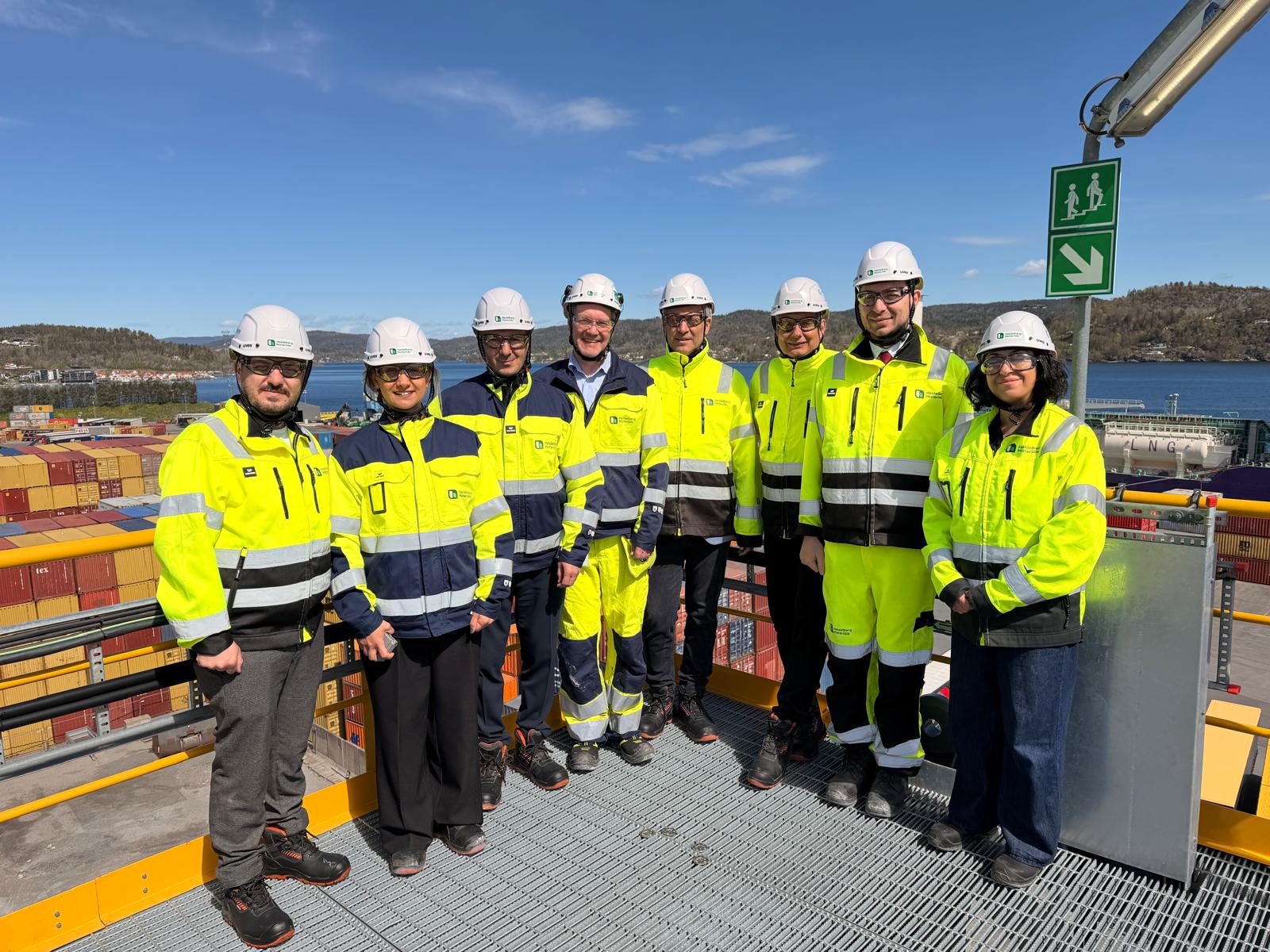
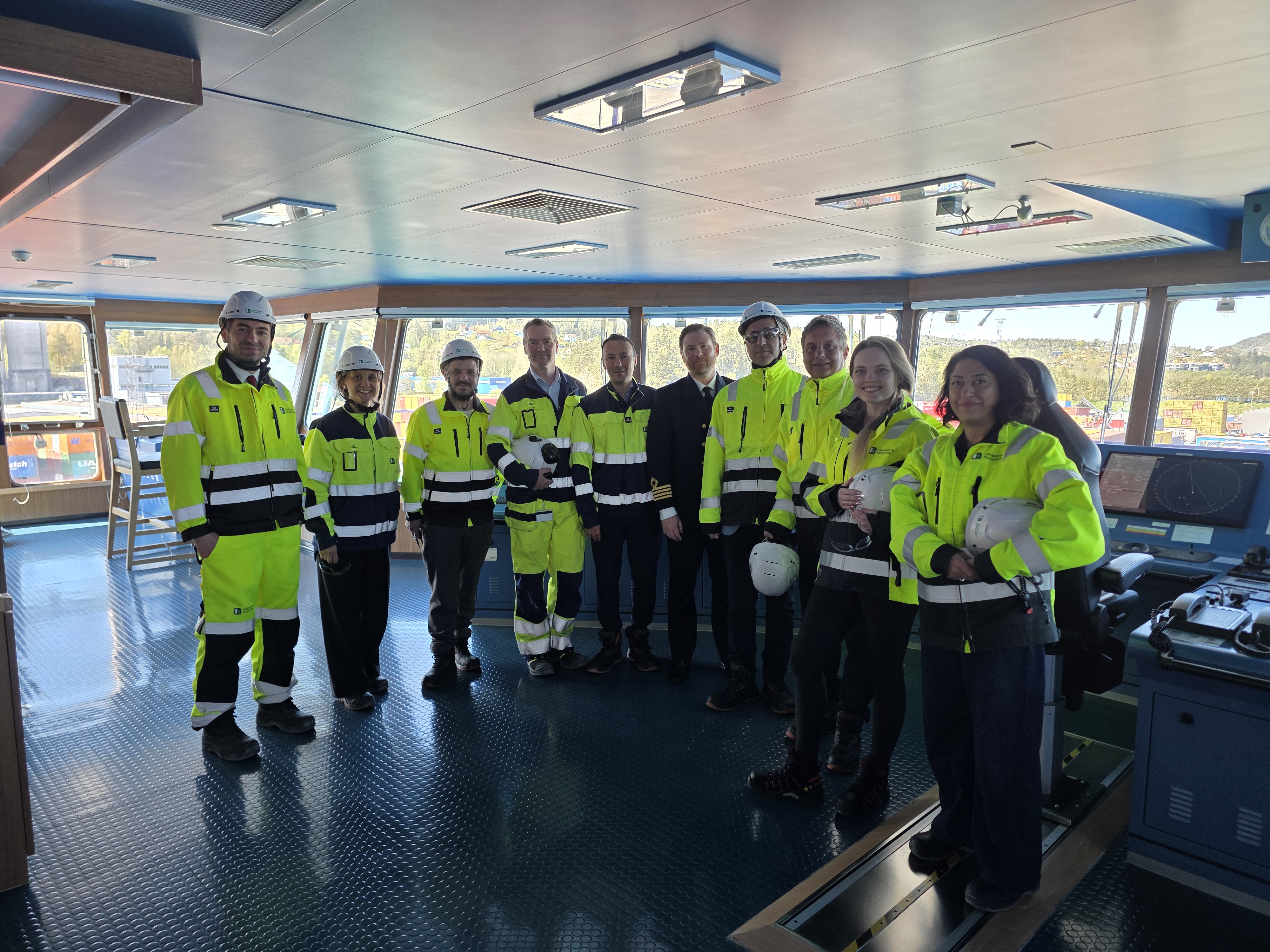
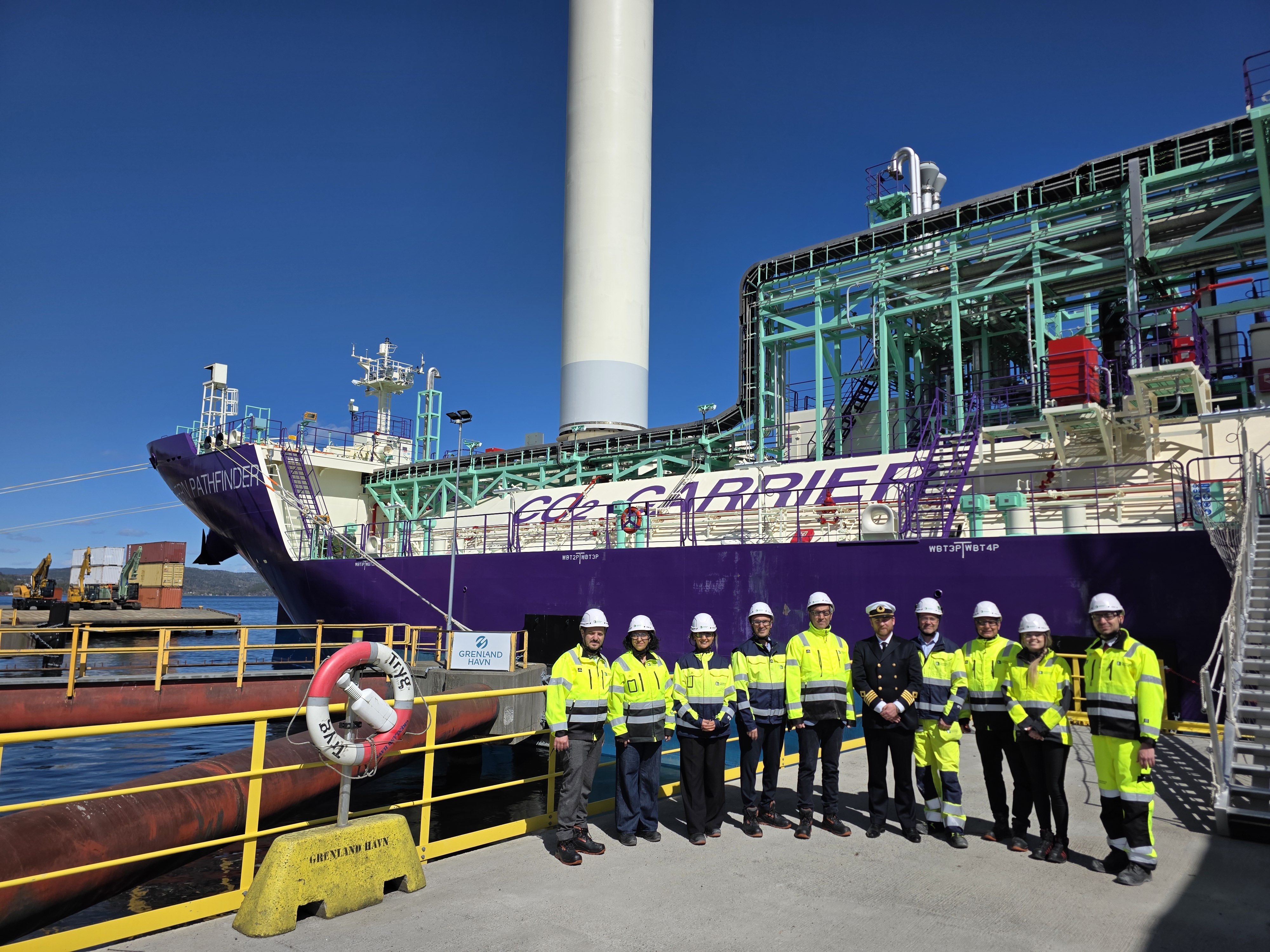
The Directorate of Climate Change has dispatched a delegation to Norway to examine firsthand good practices in carbon capture and storage (CCS) within the cement industry. Led by Deputy Director of Climate Change Mehrali Ecer, the delegation conducted a working and knowledge-sharing visit to the Brevik Net-Zero Emission Cement Plant.
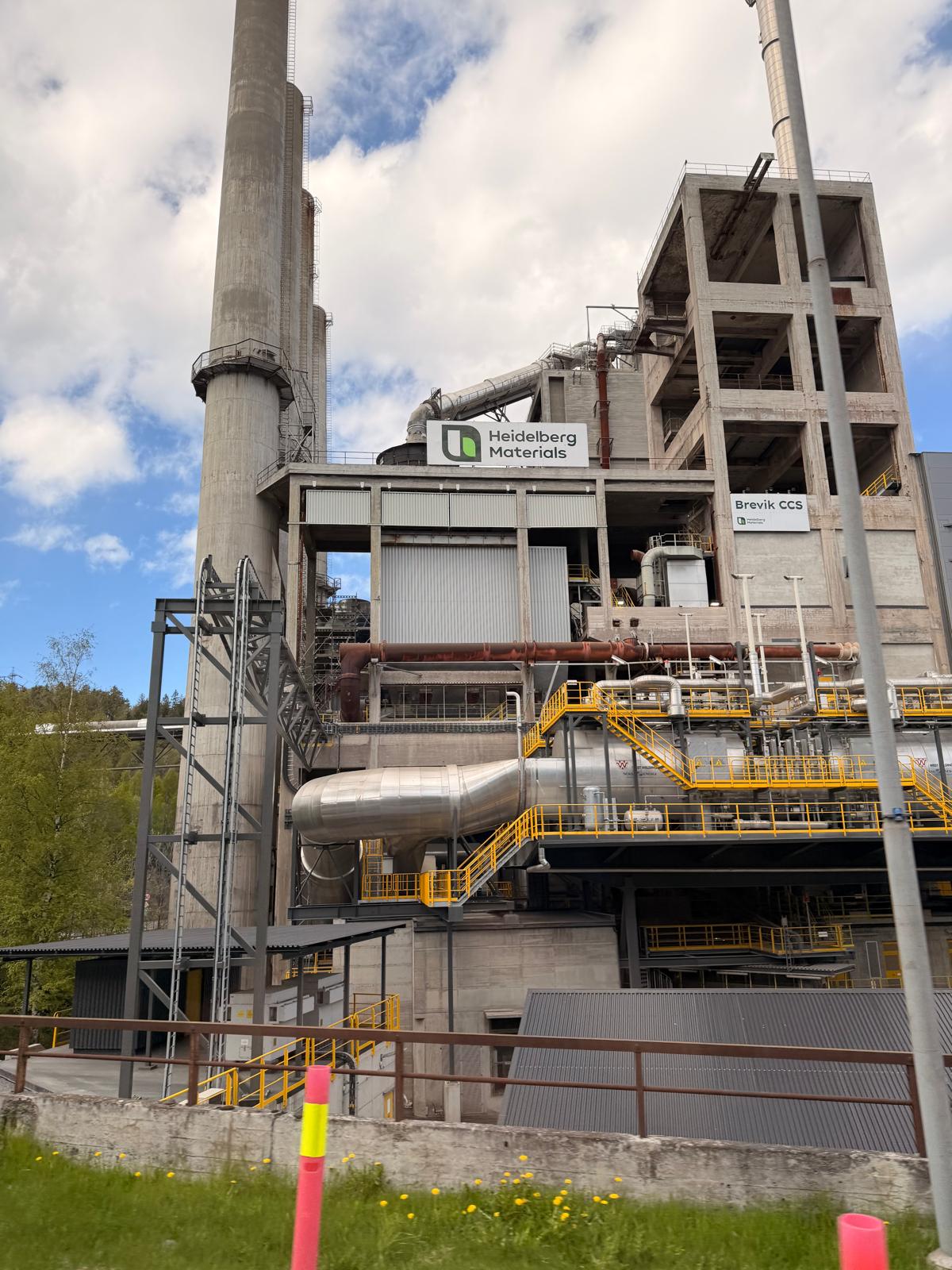
Operated by Heidelberg Materials, the Norway–Brevik Net-Zero Emission Cement Plant stands as the world's first industrial-scale net-zero cement plant, serving as a prime example of good practice that demonstrates the feasibility of carbon capture and storage technologies in hard-to-abate industrial sectors like cement. During the tour, Vetle Houg, General Manager of Heidelberg Materials Sement Norge, and Project Manager Cassandra Myhre briefed the delegation on the plant's full CCS pipeline, including capture, liquefaction, temporary storage, transport, and permanent storage operations.
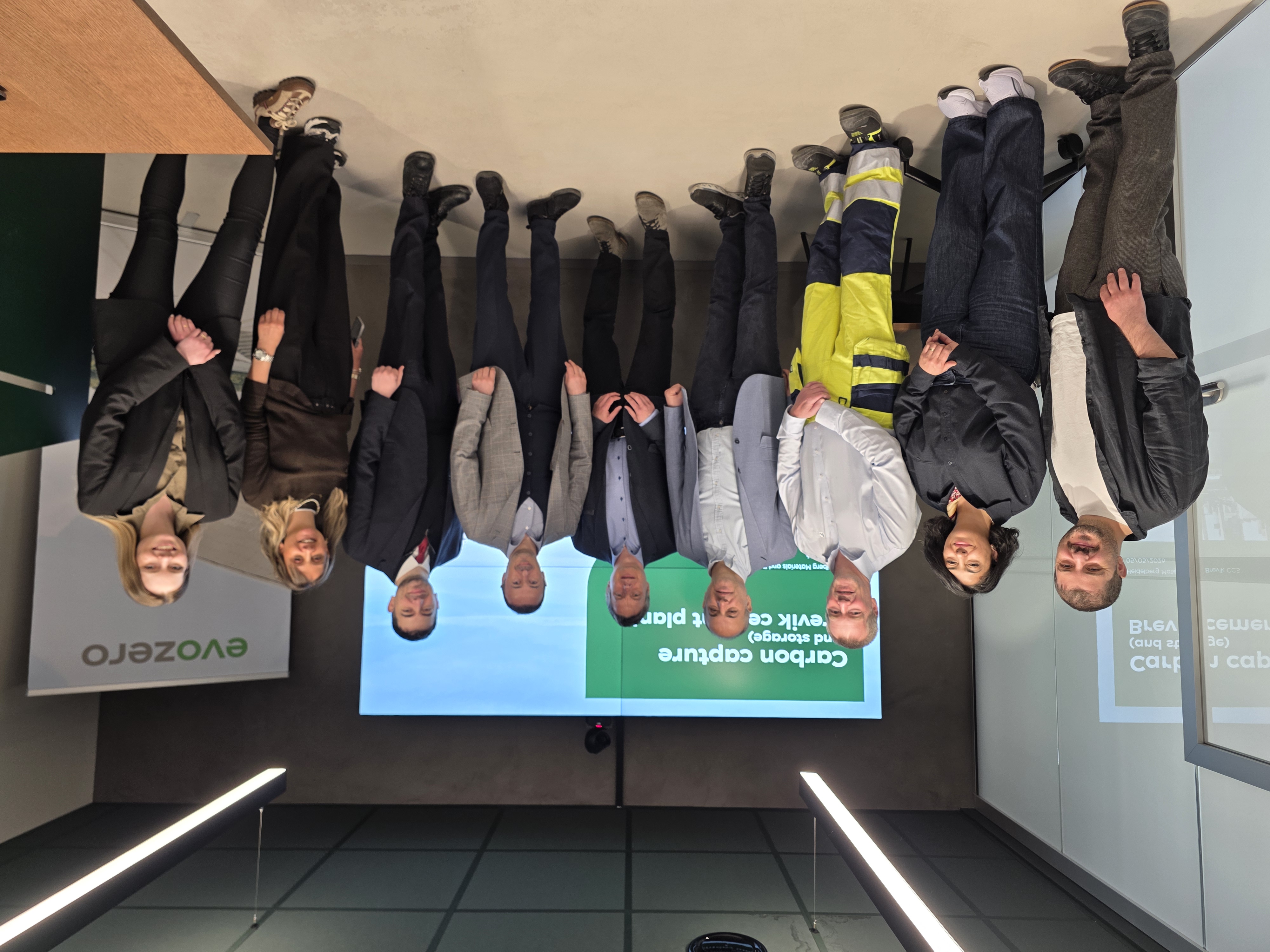
The itinerary also featured a collaborative review session joined by Giv Brantenberg, General Manager of Heidelberg Materials Northern Europe. During the inter-delegation meeting held within the scope of the program, the participants addressed the decarbonization of the cement sector, the integration of carbon capture and storage technologies into industrial facilities, and insights into low-carbon production processes. In addition, experts from the Directorate of Climate Change shared insights into Türkiye's Emission Trading System (ETS).
The team detailed the legal and institutional framework of the Turkish ETS, its implementation roadmap, its anticipated impacts on heavy industry, and the specific role the cement sector will play within the mechanism. This visit marks a significant step forward in exploring low-carbon technologies within the cement industry and inspecting international good practices firsthand, aligning with the Directorate’s broader mandate to advance carbon pricing, refine emission trading systems, and curb industrial greenhouse gases.