


As the impacts of the climate crisis become increasingly pronounced each year in Türkiye, academic institutions and youth communities continue to lead awareness initiatives in Ankara.
27 November 2025
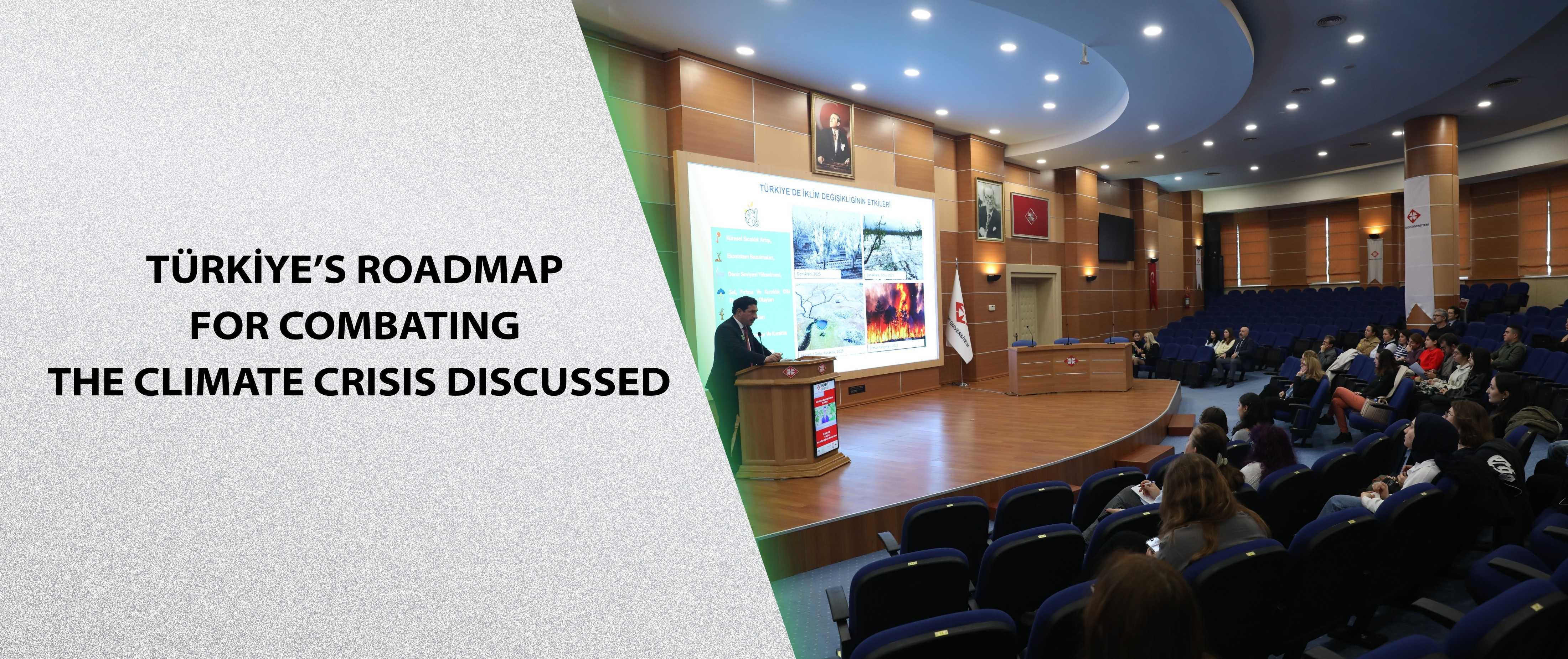
As the impacts of the climate crisis become increasingly pronounced each year in Türkiye, academic institutions and youth communities continue to lead awareness initiatives in Ankara. The Environmental Community of Başkent University hosted an event titled “Türkiye’s Roadmap for Combating the Climate Crisis” to highlight the country’s exposure to climate change.
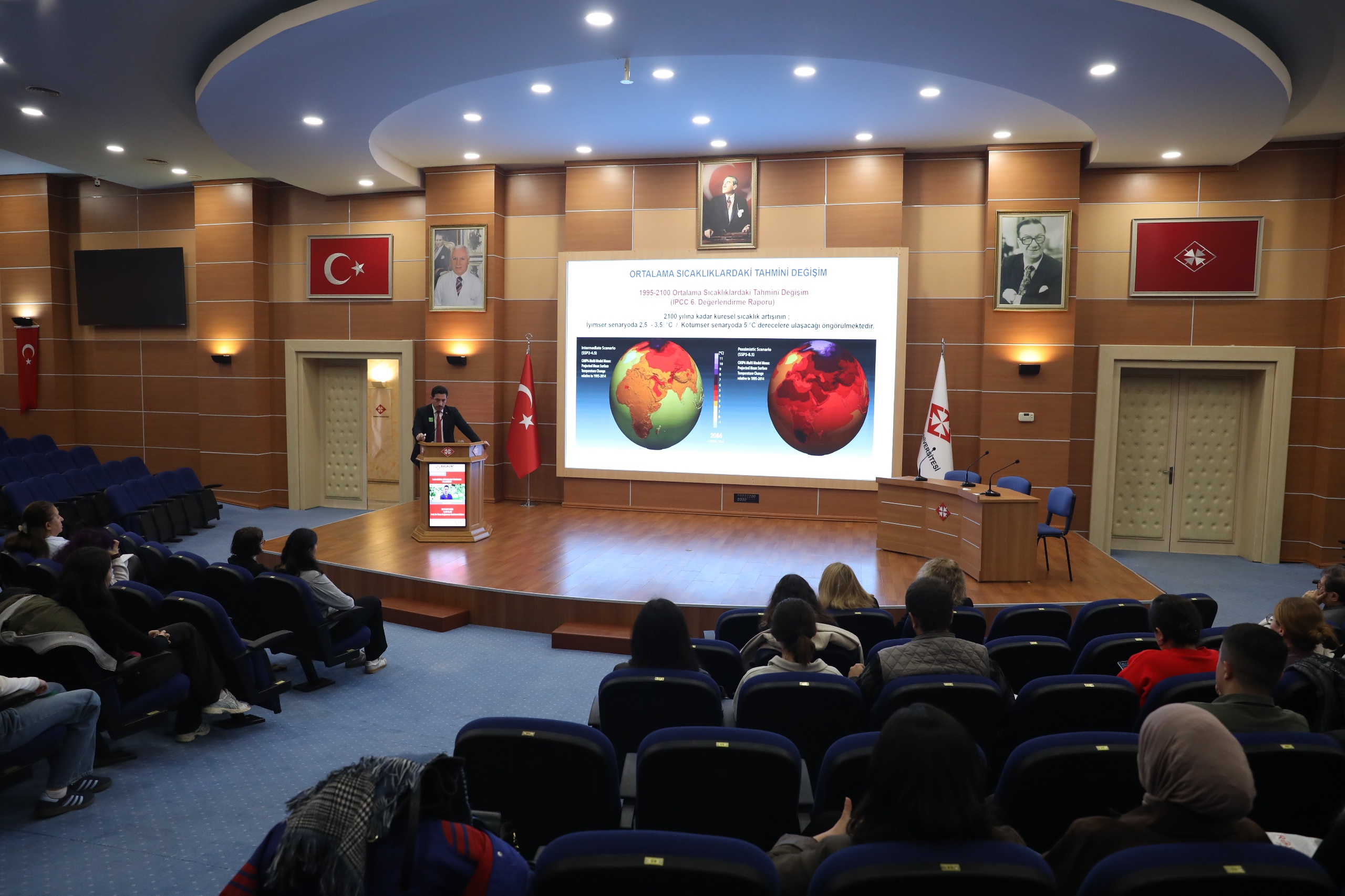
The event opened with a speech by Orhan Solak, Deputy Director of Climate Change, followed by remarks on Türkiye’s 2053 Net-Zero Target, the green transition, and the wide range of impacts associated with climate change.
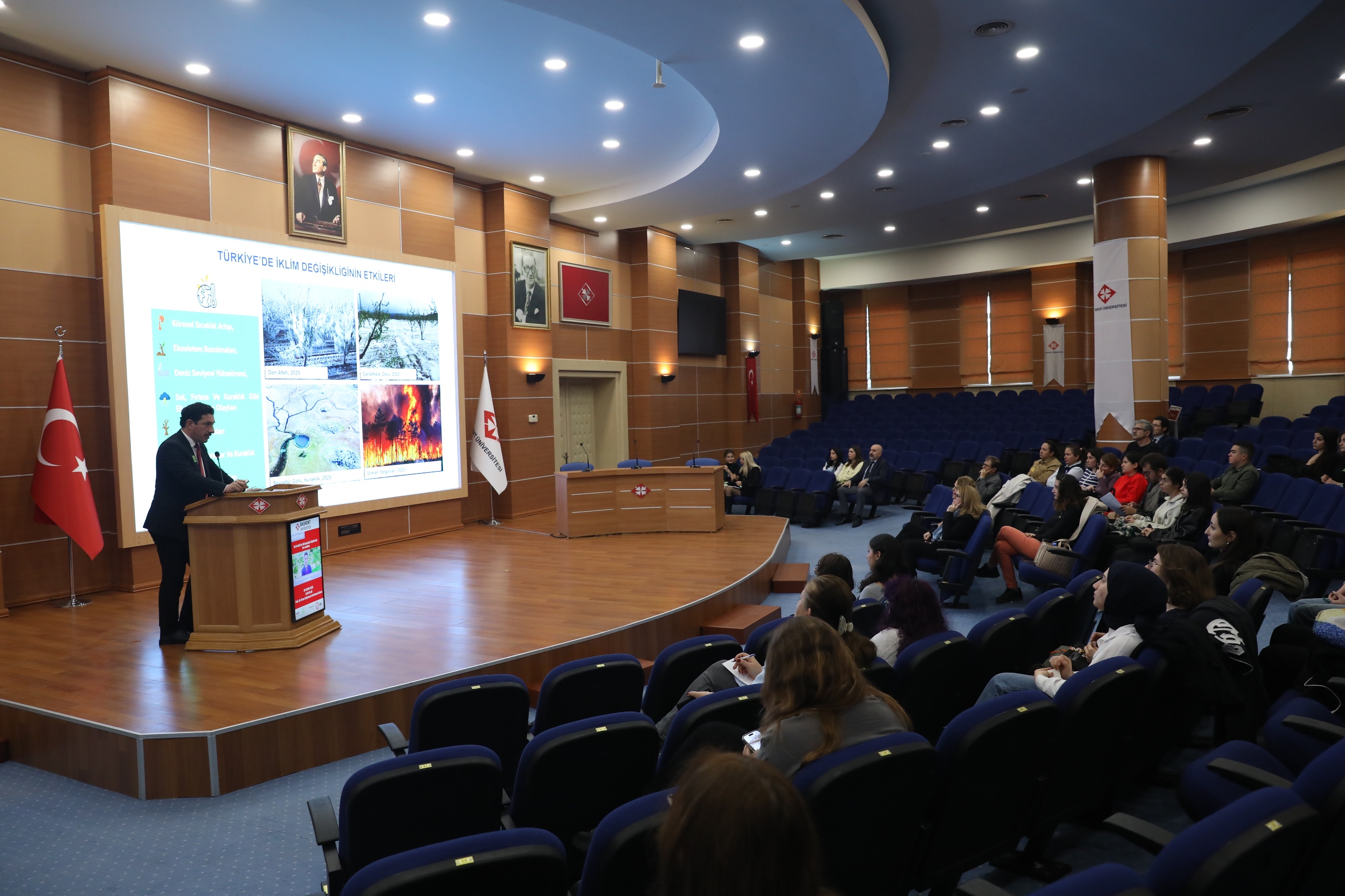
Deputy Director Solak noted that climate change has emerged as a global crisis that affects the world in multiple dimensions through rising temperatures, shifting precipitation patterns, extreme weather events, and ecosystem degradation. He remarked: “A wide range of sectors including agriculture, energy, water management, transportation, tourism, and health are directly affected by these shifts, which lead to declining productivity, rising costs, and growing infrastructure vulnerabilities. Climate change, however, does not produce environmental consequences alone. It also reshapes societies by disrupting economic stability, threatening food security, amplifying social inequalities, and accelerating migration movements. This is why climate change stands out as a far-reaching crisis whose economic, social, and environmental repercussions extend well beyond an ecological issue.”
Solak highlighted the sharp decline in precipitation and underscored that drought and desertification have become pressing concerns: “Floods, storms, earthquakes, sudden heatwaves, and other extreme weather events that cause severe destruction in a short span produce immediate impacts that require urgent action. While these disasters can be addressed, slow-onset climate-driven processes such as drought and desertification advance gradually, generate long-term consequences, and lead to deeper and more permanent damage. When we assess Türkiye’s water outlook, drought poses a significant threat to our country.”
Solak added that addressing climate change requires a broad approach: “Climate change is not solely about disasters; it also presents opportunities for renewable energy, climate financing, green employment, technological transformation, and building more resilient cities.”
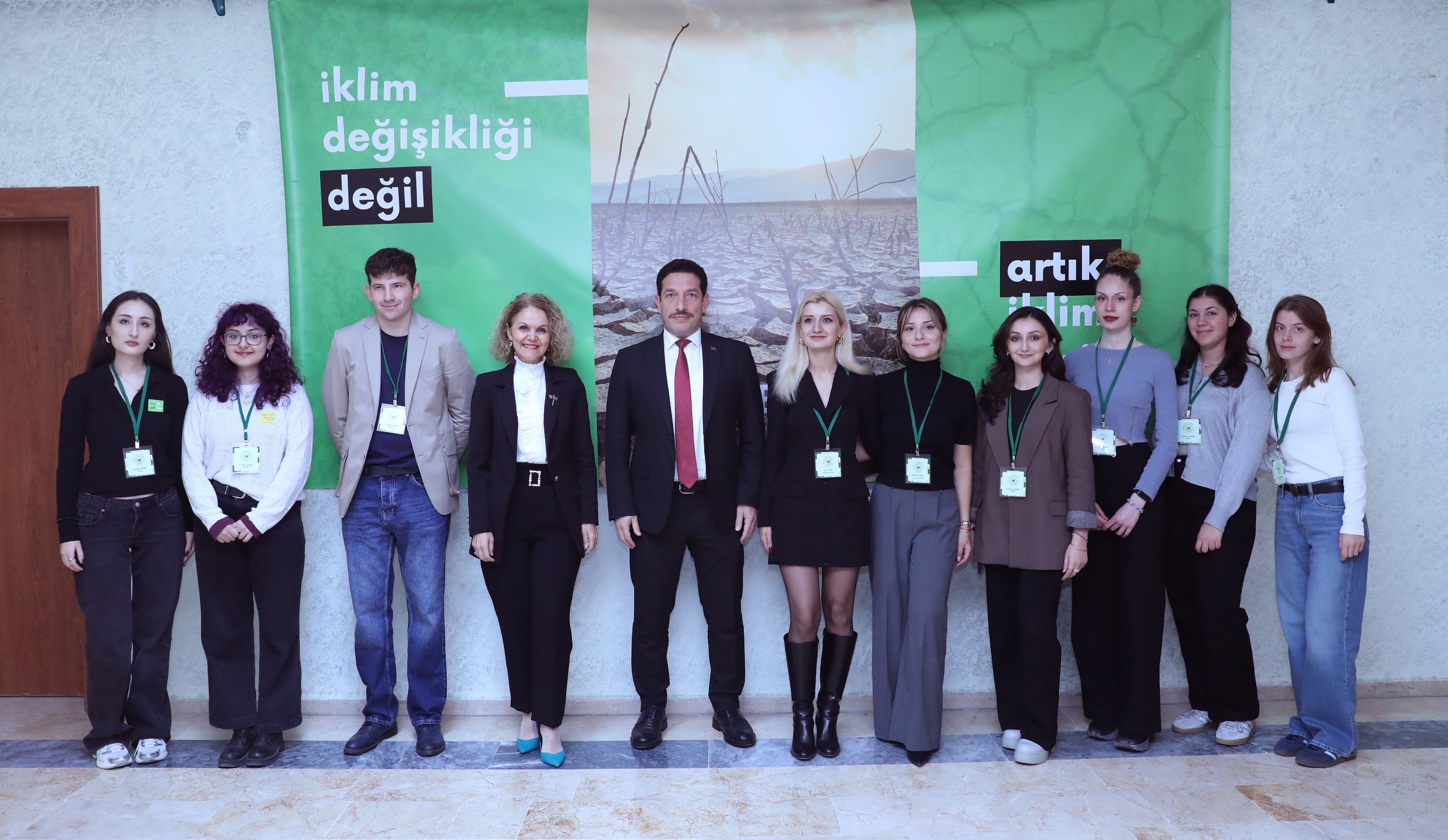
The program, attended by guests from universities and a range of civil society organizations, wrapped up with a photo session after Deputy Director Solak answered the audience’s questions of interest.