


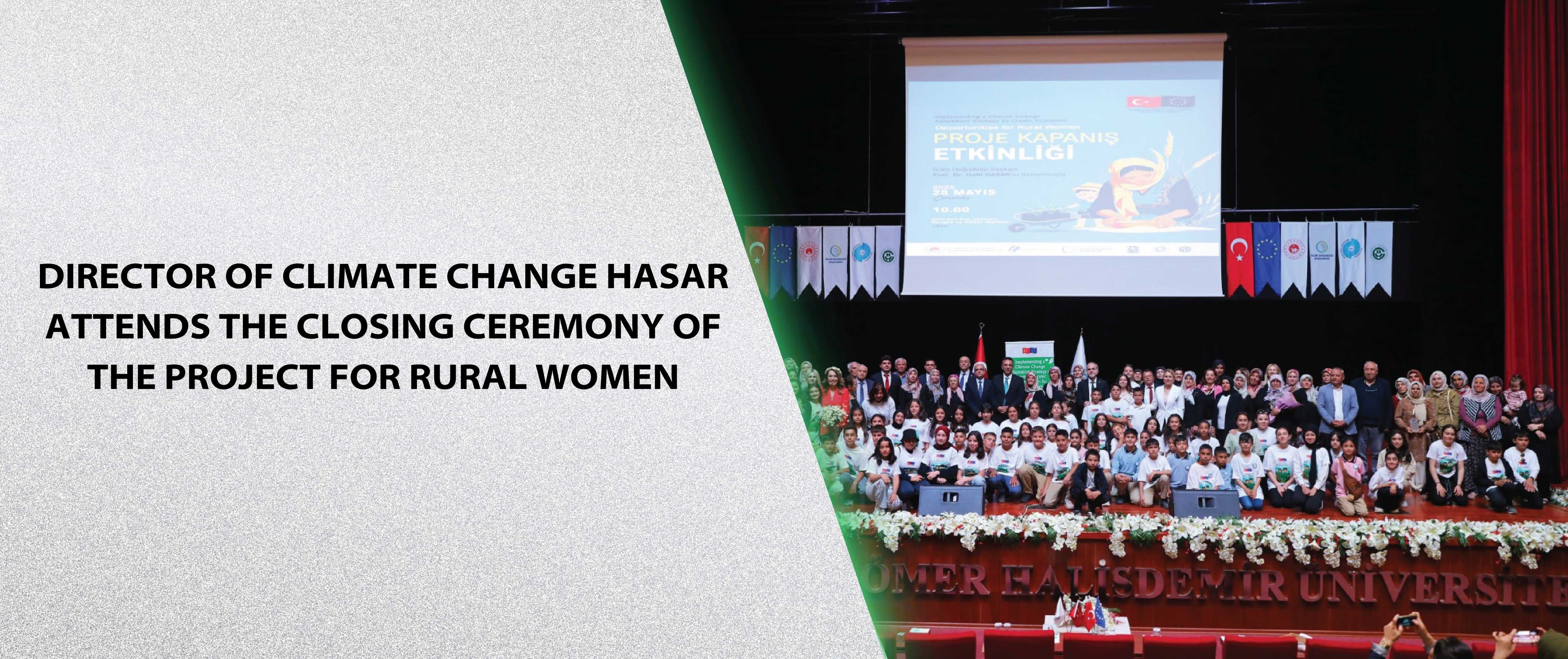
Director of Climate Change Prof. Hasar attended the closing ceremony of a project designed to create economic opportunities for women in rural areas across Niğde.
28 May 2025
Director of Climate Change Prof. Hasar attended the closing ceremony of a project designed to create economic opportunities for women in rural areas across Niğde.
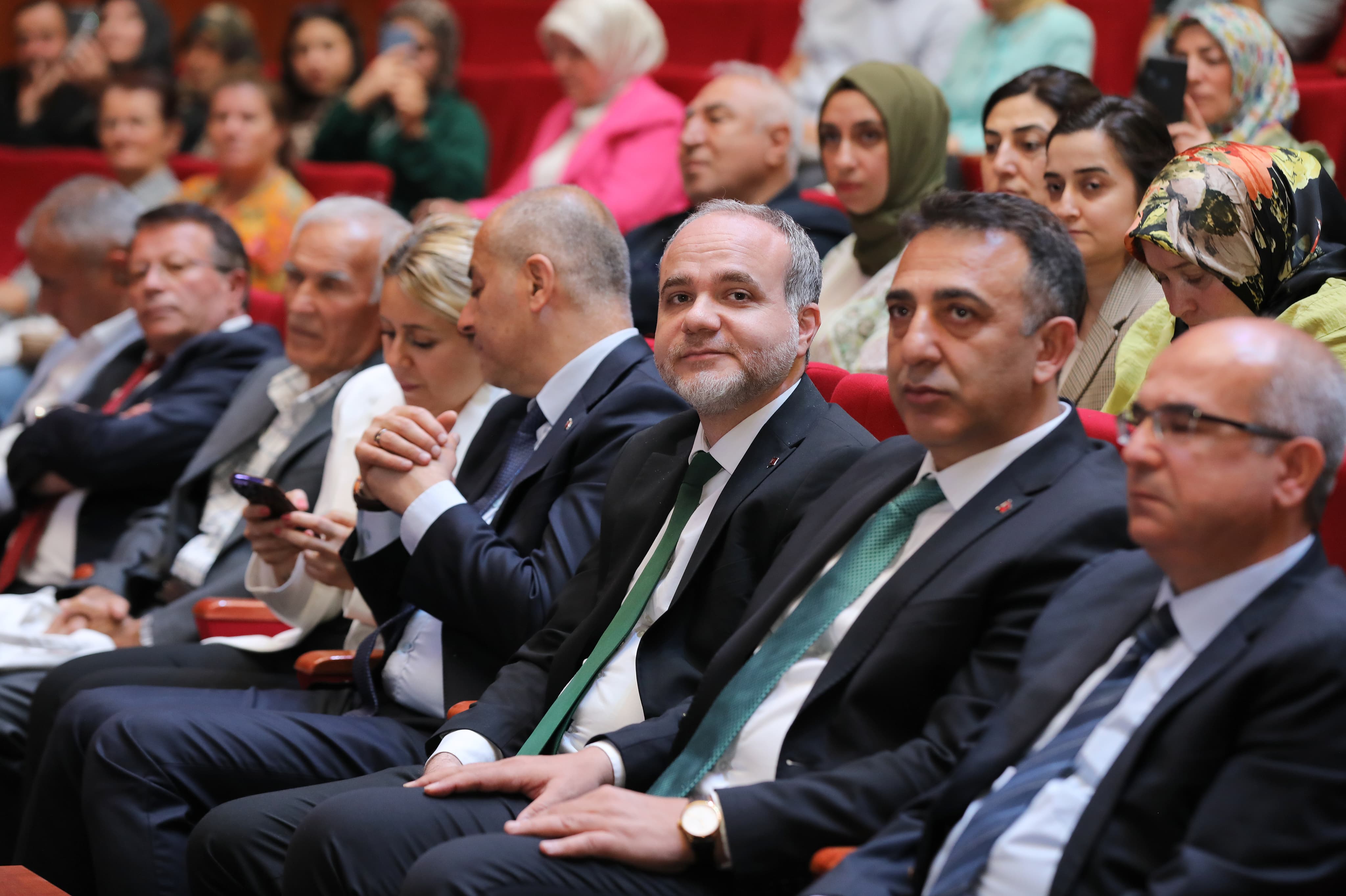
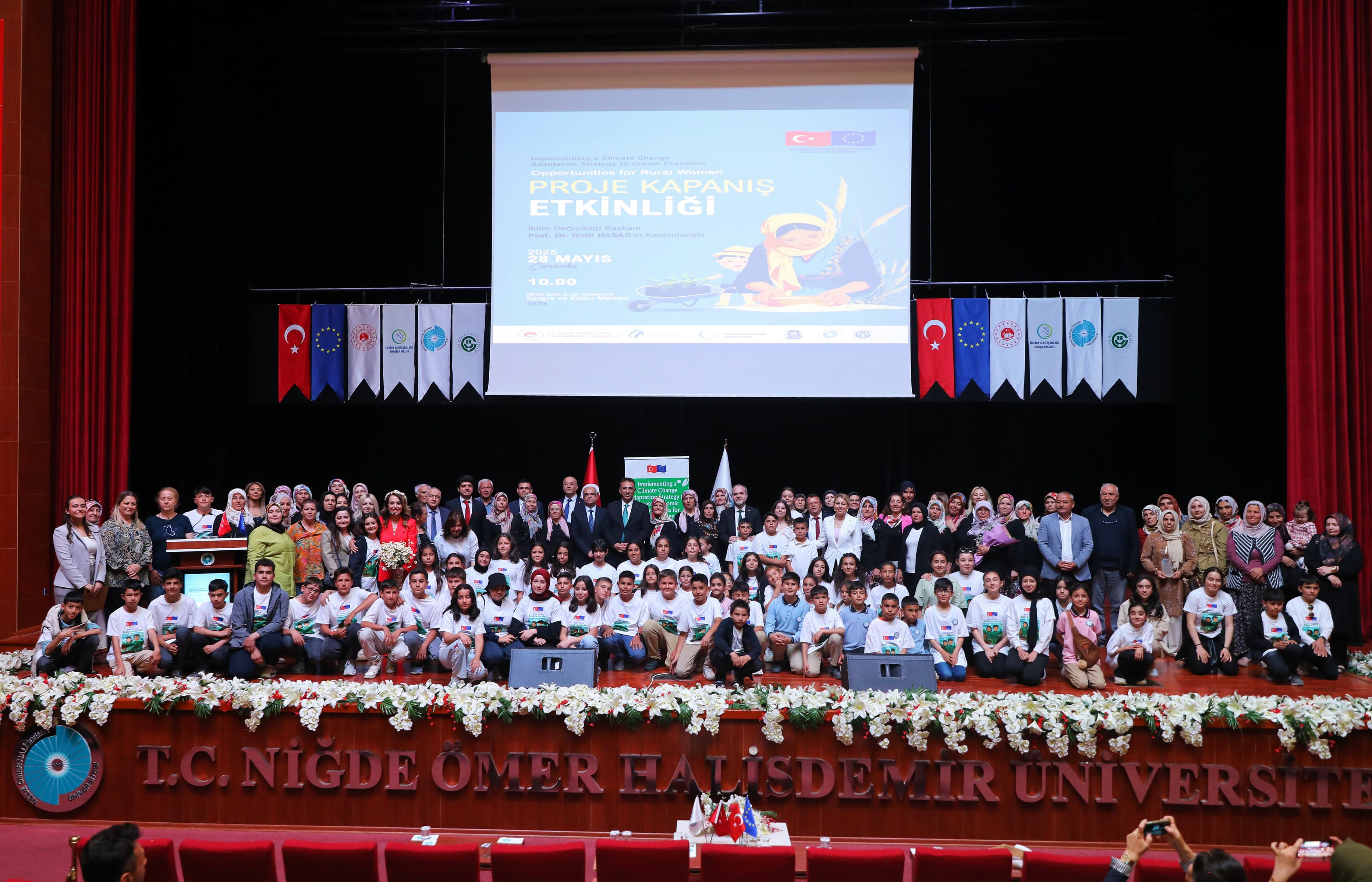
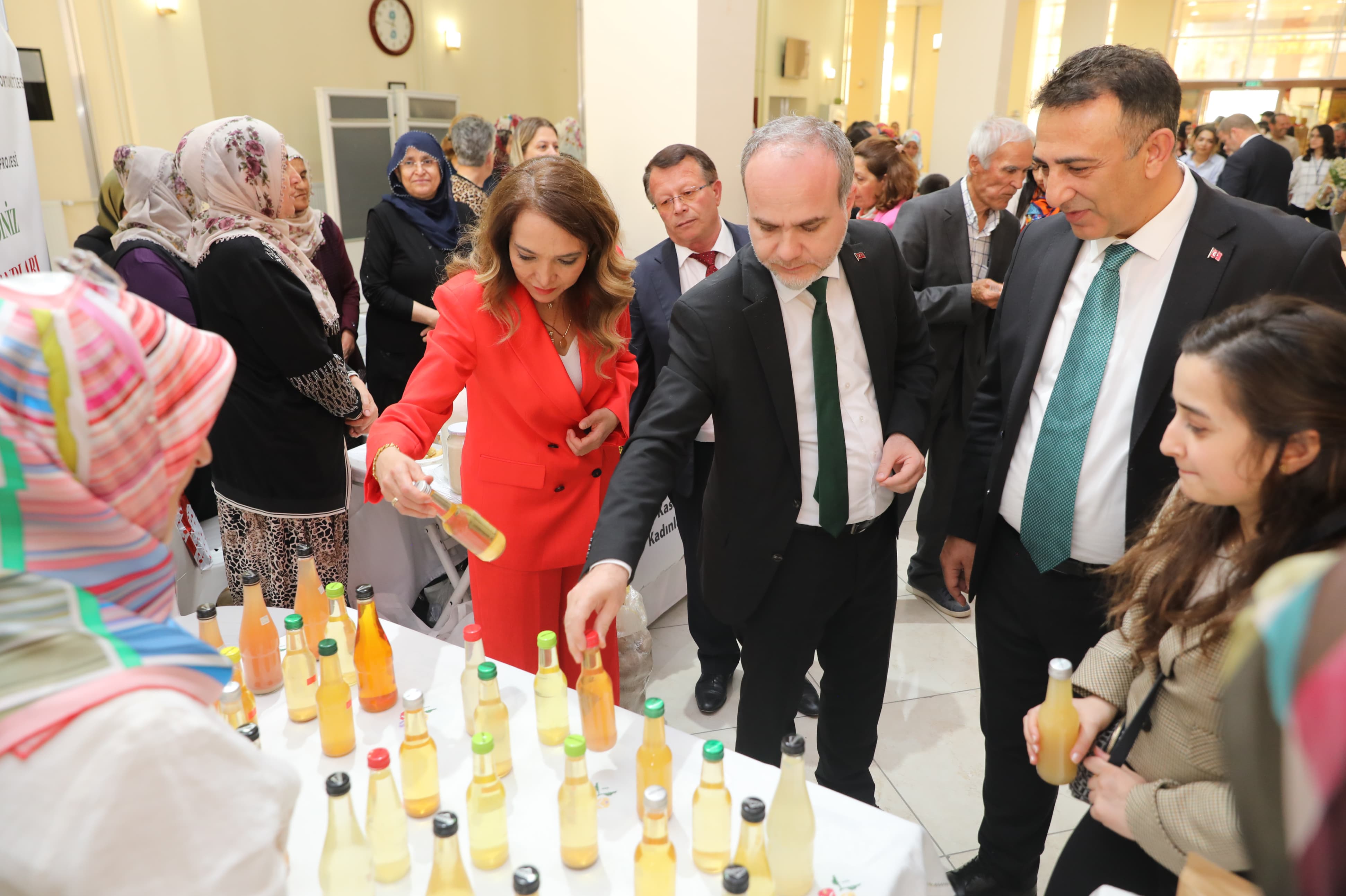
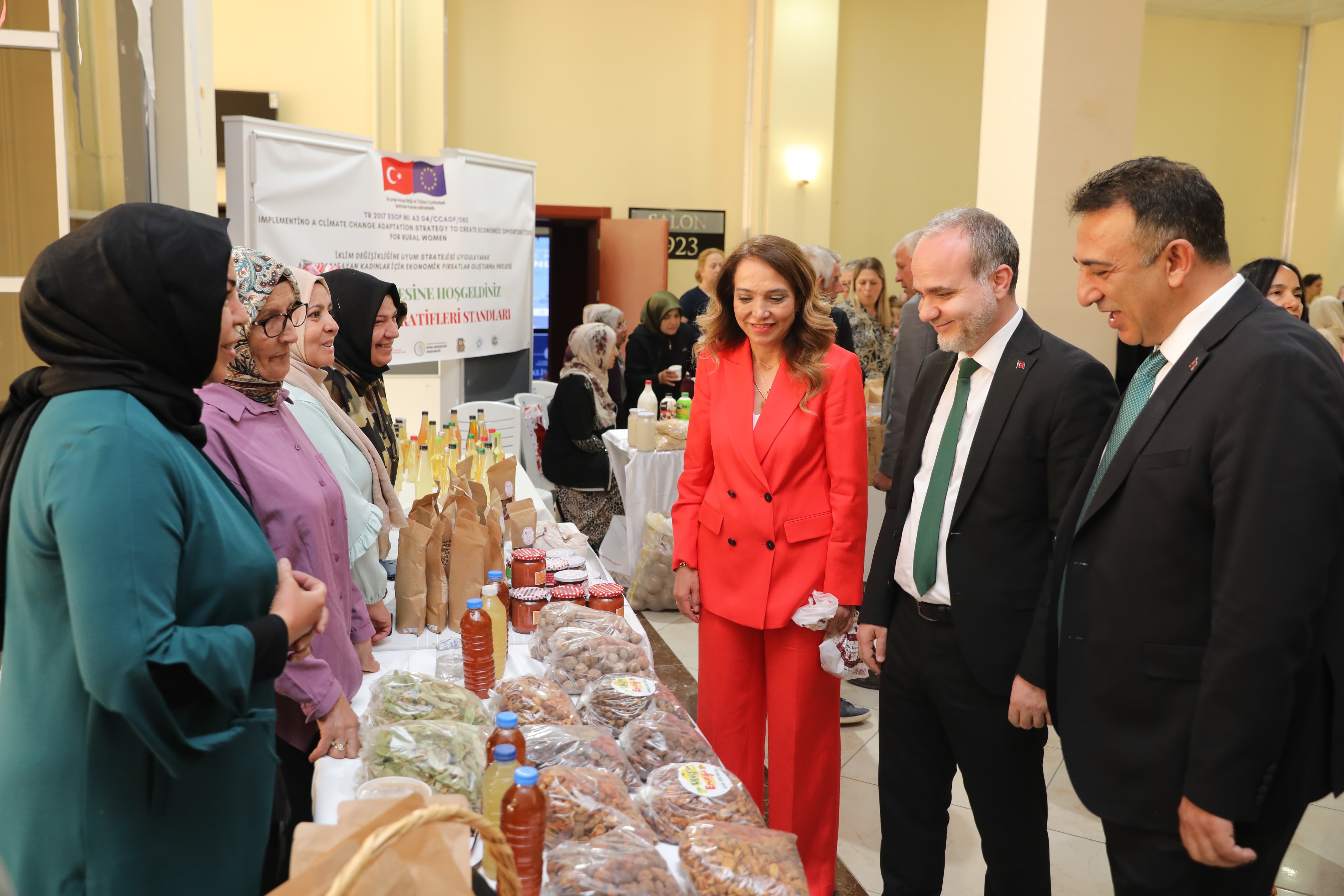
At the closing ceremony of the project titled “Creating Economic Opportunities for Rural Women in Adaptation to Climate Change,” hosted by Niğde Ömer Halisdemir University, the project outputs were also shared with the public.
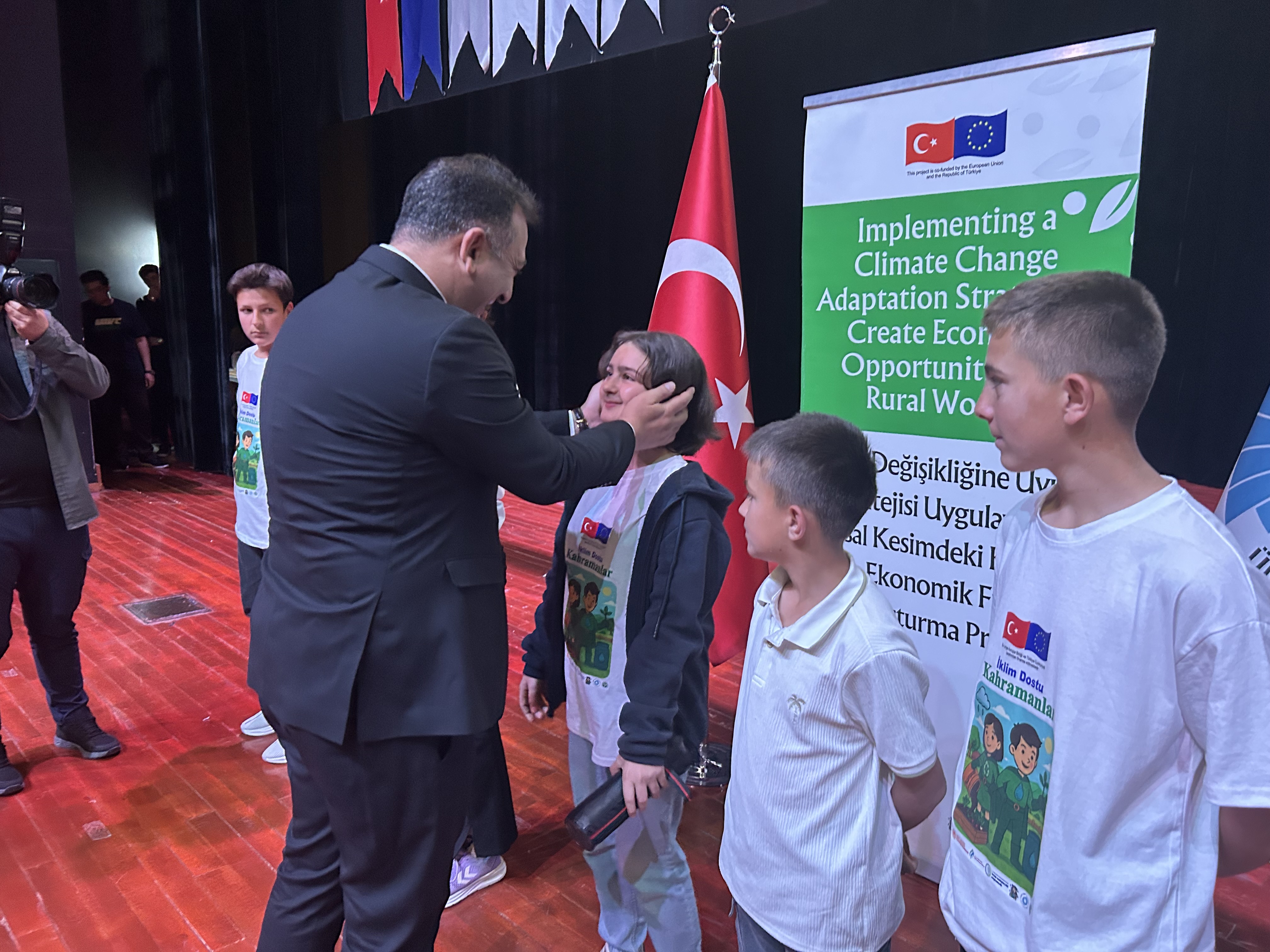
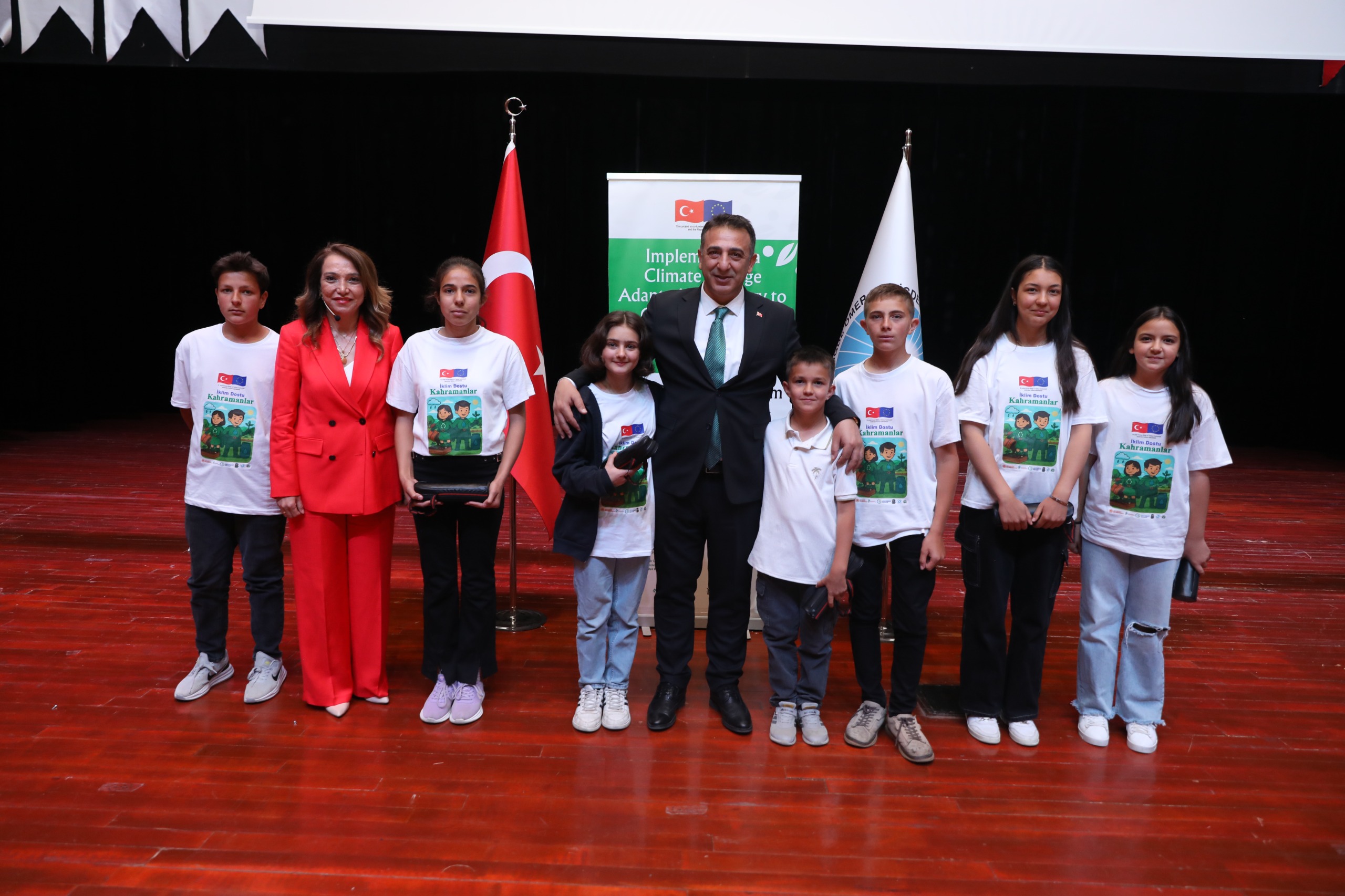
During the program, where awards were presented in various categories, women and students who produced the best compost received their awards from Director Hasar.
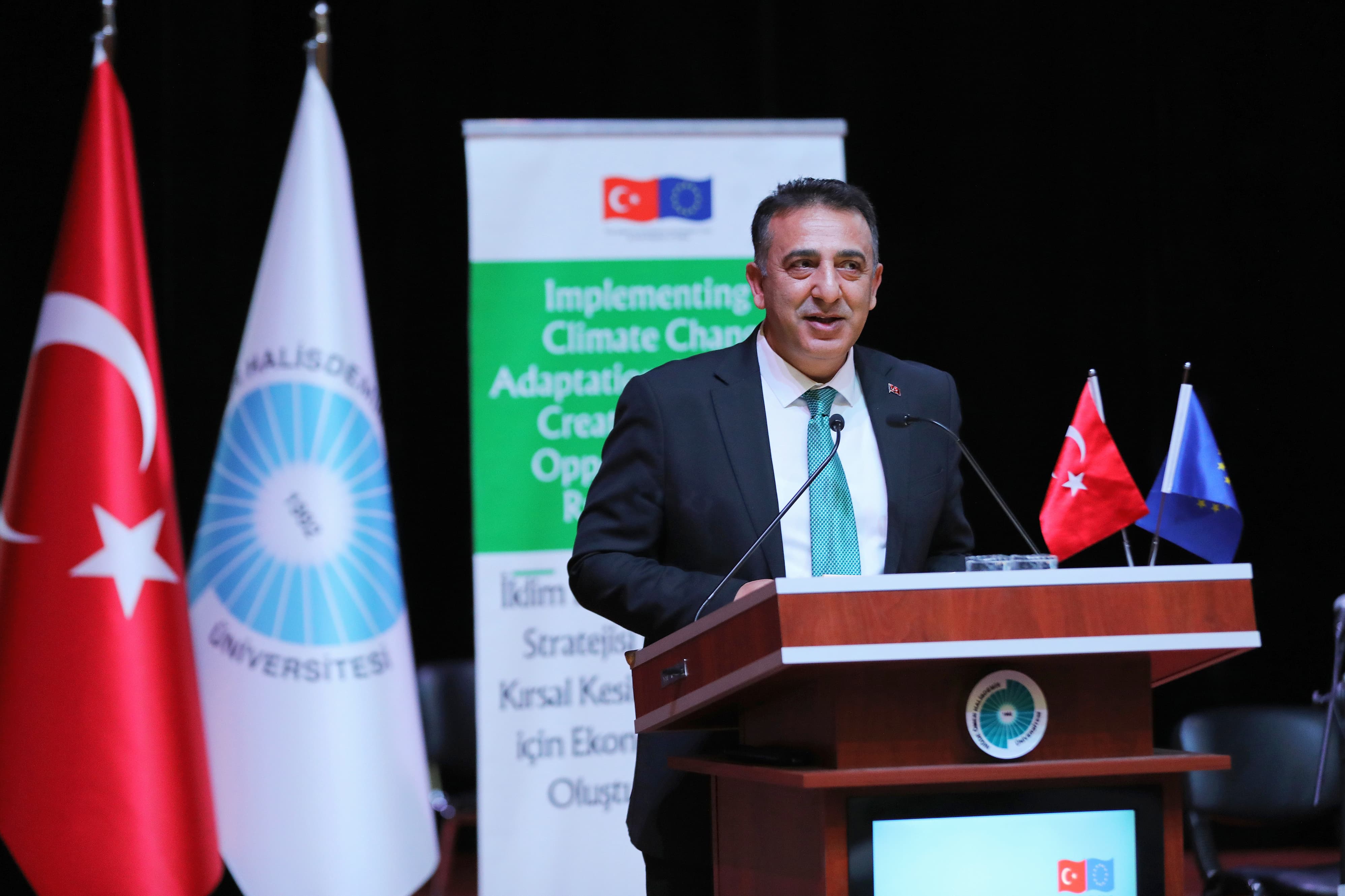
Speaking at the closing ceremony of the project, which was supported by the Directorate of Climate Change and implemented by Niğde Ömer Halisdemir University as the beneficiary institution, Director Hasar stated that the project outputs were highly productive for the country and for women in rural areas.
Noting that the Directorate of Climate Change consistently supports such projects and that their outputs generate high added value, Director Hasar highlighted the contribution of these projects and their added value to the fight against climate change.
Stating that climate change is now a reality, Director Hasar addressed the following points in his remarks:
“As the Directorate of Climate Change, we will continue to support such projects.”
We have accelerated our efforts to combat and adapt to climate change. Through the Climate Change Adaptation Grant Program, we support the implementation of adaptation actions at local and regional levels. A total of 29 projects from 16 provinces, including Niğde, have been awarded grants. Under the program, we have provided grants totaling EUR 6.8 million.
“Our world has surpassed a critical warming threshold.”
Global temperature increases have reached approximately 1.55°C compared to pre-industrial levels. For this reason, we clearly observe the consequences of climate change, ranging from drought and floods following sudden rainfall to heat waves that make cities unlivable and various health problems. If measures are not taken, global temperatures will exceed 3°C. What does this mean? Floods are occurring. There is a sharp increase in forest fires. Green areas, carbon sinks, livestock farming, and agriculture are being severely affected. Livestock farming and agriculture are becoming unsustainable in terms of both productivity and sustainability. Therefore, we must take action.
“All countries must act together in the fight against climate change.”
Climate change cannot be addressed by a single state alone. All countries must act together in the fight against climate change. Emissions released by developed countries and high-emitting countries seriously affect all countries located in the Mediterranean Basin, including ours. There is a significant loss of biodiversity in the Mediterranean Basin today. There is also a serious decline in agricultural productivity. There is a growing need for water. In this sense, the Climate Law protects agriculture and water resources. There is neither any statement nor any provision in the law concerning the elimination of livestock farming or agriculture. The project aims to increase community climate resilience, protect natural resources and ecosystems, and strengthen the adaptive capacities of socially vulnerable groups, cities, and economic sectors. Within the scope of the project, comprehensive training programs and content are developed particularly for women, children, and parents. In addition, the project aims to economically empower women living in rural areas and to enable them to take an active and informed role in the fight against climate change.
Alongside Director Hasar, the closing ceremony was attended by Niğde Ömer Halisdemir University Rector Prof. Hasan Uslu, Deputy Director of Climate Change Mehrali Ecer, Project Coordinator Prof. Ece Ümmü Deveci, and academicians.